
Premenstrual Syndrome: Read in order of your curiosity
Understanding the diagnosis and test results
Premenstrual Syndrome: Check the dates when symptoms start and subside after menstruation
Premenstrual SyndromePremenstrual Syndrome (PMS) is characterized by emotional and behavioral symptoms, such as irritability, depression, anxiety, poor concentration, and changes in sleep and appetite, along with breast tenderness, abdominal bloating, headaches, edema, and fatigue that recur before menstruation and subside after it begins. Rather than looking at a single symptom, we evaluate the timing on the calendar and the impact on work, school, and relationships. Digestive changes that occur before pain, such as a feeling of blockage in the solar plexus, constipation, or cravings for sweets, should also be recorded as part of the same cyclic change if they recur before menstruation. Recording the intensity of symptoms and menstruation dates daily for 2 to 3 months helps distinguish PMS from depression or anxiety that lasts throughout the month, thyroid disease, or irritable bowel syndrome. If menstruation is delayed and there is a possibility of pregnancy, a pregnancy test should be performed before considering it PMS. If severe despair, anger, or anxiety disrupts daily life, Premenstrual Dysphoric Disorder (PMDD) is evaluated; thoughts of suicide or harming oneself or others require immediate crisis assistance.
For mild to moderate PMS, we address the physical and mental changes occurring before menstruation through Korean medicine treatment.
While it may be necessary to verify other causes, Korean medicine treatment does not only begin after all gynecological treatments are completed.
you can start with a focus on Korean medicine treatment
Rather than looking at premenstrual irritability in isolation, we identify combinations of worsening symptoms, such as edema, headaches, breast pain, appetite, sleep, and digestion, to focus on reducing symptom days and functional loss in daily life.
we connect tests and medication treatment at the appropriate time
In cases where treatment for PMDD, mood disorders, or hormone therapy is necessary, we manage headaches, edema, sleep, and digestive discomfort while maintaining those treatments.
The choice of hormone therapy and medication varies depending on contraception or pregnancy plans.
Other medical evaluations are necessary if these changes occurCheck when applicable
For thoughts of self-harm or suicide, or extreme depression and anxiety that make maintaining daily life difficult, a mental health crisis evaluation takes priority over waiting for the menstrual cycle.
- If there are suicidal thoughts, plans, or impulses to harm oneself or others
- If severe despair, anxiety, or anger makes it difficult to go to work, school, or perform basic daily activities
- If severe pain in one side of the pelvis, shoulder pain, dizziness, or fainting occurs along with delayed menstruation
- If depression, anxiety, insomnia, or eating problems continue to worsen regardless of the menstrual cycle
- If there is a sudden severe headache, paralysis, slurred speech, or change in consciousness
Surgery, procedure, or further evaluationPMS itself is not an indication for surgery. Severe symptoms require a readjustment of mental health or gynecological treatment.
Why consider Korean medicine treatment
Premenstrual Syndrome: Setting Clear Treatment Goals
We observe the day premenstrual discomfort begins and the point at which it resolves after menstruation starts. The treatment goal is set on the parts that actually change together, including not only mood swings but also swelling, headaches, breast discomfort, sleep, and digestion.
Observing how symptoms have disrupted your daily life
Rather than recalling only the mood, record the daily intensity of symptoms, sleep, edema, headaches, conflicts, absences from work, and the day you feel better after menstruation begins.
Categorizing symptom combinations even within the same diagnosis
We determine the priority of the prescription by selecting clues from the medical interview and examination that match patterns such as Liver Qi Stagnation, Tension-type, Liver Fire, Hyperarousal, Spleen Deficiency with Dampness, Edema-type, Heart and Spleen Blood Deficiency, or Burnout-type.
Re-evaluating through the next cycle and lifestyle changes
Compare the number of days with severe symptoms, conflicts, absences from work, overeating, nighttime awakening, and recovery time after menstruation over at least two cycles.
Treatment goalInstead of suppressing emotions, we aim to reduce premenstrual symptom days and functional loss, creating the mental space to continue mental health treatment and life planning.
Consult using PMS daily records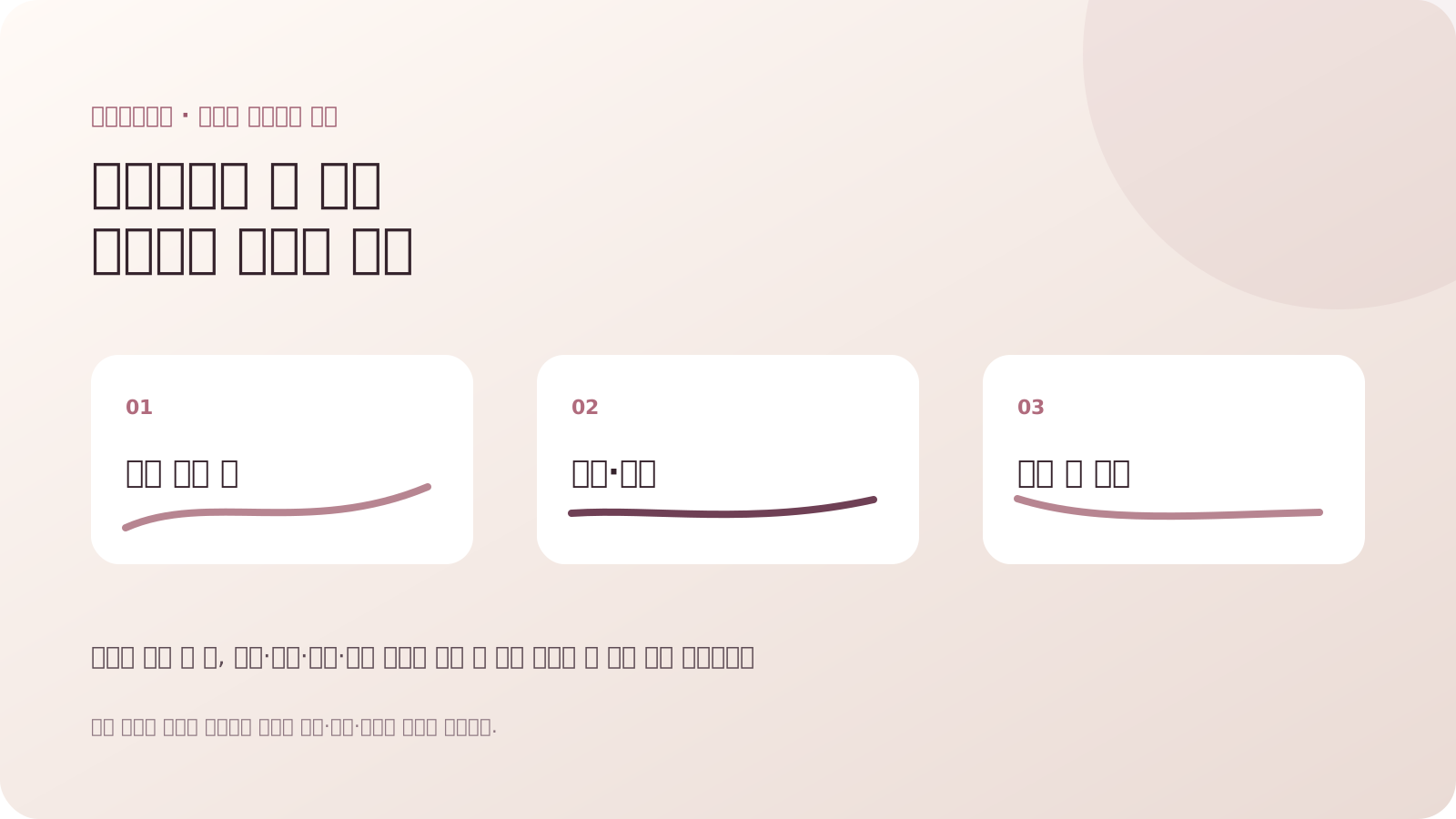
Compare the number of days with severe symptoms, conflicts, absences from work, overeating, nighttime awakening, and recovery time after menstruation over at least two cycles.
Photos show scenes of how cycles, pain, breastfeeding, and life transitions have affected daily life without revealing faces or identities. Disease tracking charts and conceptual diagrams are simplifications of differential diagnosis, examination, and progress records; they do not represent an individual's diagnosis or pregnancy/treatment results.Understanding Tests and Diagnosis
Premenstrual Syndrome: Three Things to Know First
When Interpreting Test Results
The core characteristic of PMS is its cyclical nature, where physical and emotional symptoms recur before menstruation and subside after it begins.
When Identifying Causes and Risk Factors
Keep a daily record for at least 2–3 months to monitor both the intensity of symptoms and their impact on work, school, and relationship functioning.
When Reviewing Lifestyle Changes
Severe depression, hopelessness, and suicidal thoughts are reported as mental health crises, including PMDD; seek help immediately.
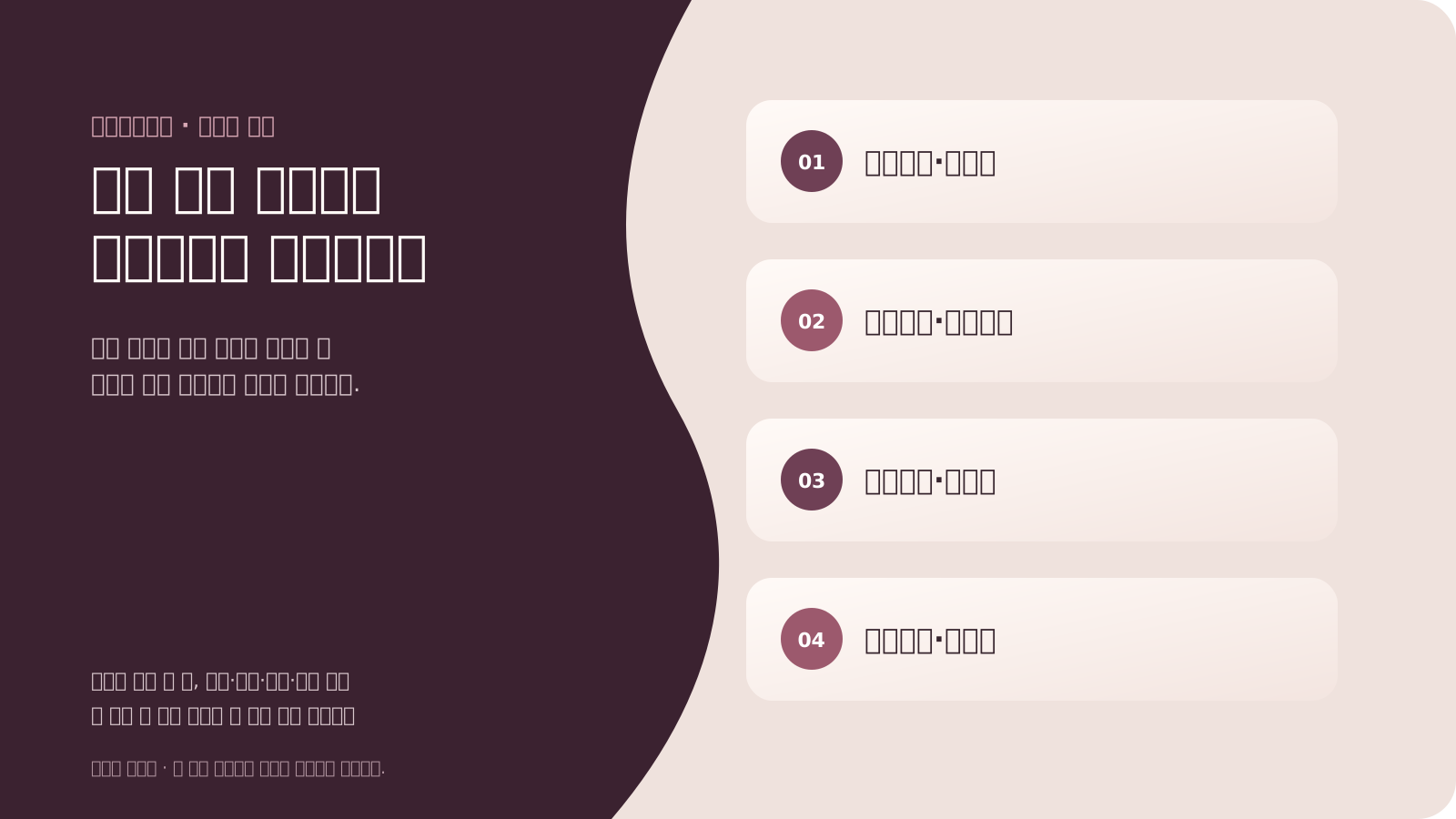
While maintaining PMDD/PMS diagnosis and mental health treatment, we categorize combinations of stagnation/heat sensations, edema/digestion, Qi and blood deficiency, and sleep recovery.
Conceptual reference · ACOG: Abnormal Uterine Bleeding · ACOG: Amenorrhea: Absence of PeriodsStarting and Adjusting Korean Medicine Treatment
Korean medicine treatment is adjusted according to symptom combinations and changes in the next cycle
Before starting, record your current state
The criteria for organizing your current condition are daily mood and physical symptom records for at least 2 cycles. In addition to pain, cycle, and daily inconveniences, we re-verify items such as digestive changes that fluctuate before pain (e.g., chest tightness, constipation, cravings for sweets) and the recovery date after menstruation.
Even with the same diagnosis, symptom combinations differ
We determine the weight of the prescription by identifying which of the following combinations actually recur: chest tightness, irritability, and breast pain increasing before menstruation / flushing, insomnia, anger, and headaches spiking over a short period / edema, appetite changes, and heaviness overlapping with low mood / anxiety, decreased concentration, and fatigue lasting long before menstruation.
Re-verify in the next cycle
Even after treatment, we record days with severe symptoms, conflicts, absences from work, and post-menstrual recovery in the same manner to maintain or adjust the prescription.
What to prepare before your visit
Please organize these three things before your visit
Daily mood and physical symptom records for at least 2 cycles
Note the test dates and results together to track recent changes.
Changes in intake of contraceptives, antidepressants, painkillers, and supplements
Prepare test results and a list of medications used so that the status before and after treatment can be compared.
Sleep, caffeine, alcohol, conflicts, absences from work, and symptom-free periods
Inform the medical staff of all prescription drugs, over-the-counter drugs, Korean herbal medicine, and supplements without omission.
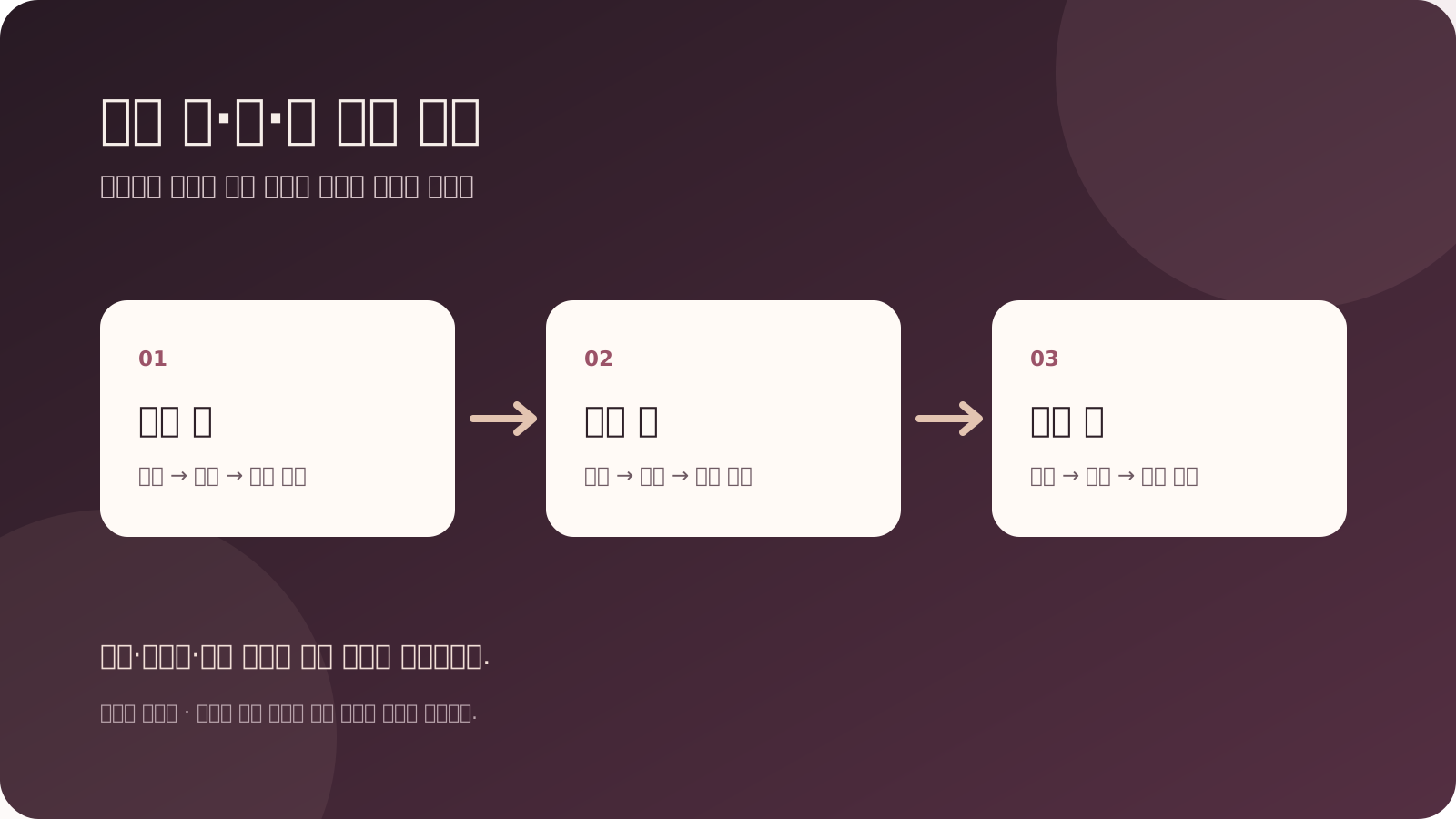
Compare pain, painkiller use, and life disruptions within the cycle.
Conceptual reference · National Korean Medicine Clinical Information Portal: Korean Medicine Standard Clinical Practice Guidelines for Dysmenorrhea · Korea Institute of Oriental Medicine: Herbal medicine for dysmenorrheaChanges to monitor before and after treatment
Check again using the same categories to determine if the treatment is helpful
Compare the number of days with severe symptoms, conflicts, absences from work, overeating, nighttime awakenings, and post-menstrual recovery time over two or more cycles.
Days with severe symptoms
Establish a baseline by confirming your current status during the first consultation.
Conflicts and absences from work
Record this along with the dates when treatment or medication changed.
Post-menstrual recovery
Look for consistent changes over several days rather than a single good day.

Record not only the start date but also the amount of bleeding, pain, medication, and impact on daily life using the same criteria.
If starting Korean medicine treatment
Premenstrual Syndrome: Four Symptom Combinations for Korean Herbal Medicine Prescriptions
While maintaining PMS/PMDD diagnosis and mental health treatment, we categorize symptom combinations into stagnation/heat sensations, edema/digestion, and deficiency of Qi and blood/sleep recovery.
Pattern identification (Byun-jeung) is not about renaming a gynecological diagnosis. For each condition, we determine whether to center the care on Korean medicine treatment, combine it with other treatments, or prioritize treating the underlying cause first. Then, we reflect items that actually change together, such as cycle, pain, cold/heat sensations, digestion, sleep, and energy levels, into the prescription.
When chest tightness, sensitivity, and breast pain increase before menstruation
- Changes observed in cycles and pain
- We look for bloating, headaches, sighing, and interpersonal conflict before menstruation.
- Concurrent changes observed in the body
- We check the sequence of work-related tension, lack of sleep, and digestive discomfort.
- Prescription Priority
- Priority is given to relieving stagnation to reduce bodily tension and pain.
When flushing, insomnia, anger, and headaches spike over a short period
- Changes observed in cycles and pain
- We look for heat sensations, dry mouth, nighttime awakening, and impulsive changes.
- Concurrent changes observed in the body
- We first check for PMDD, mood disorders, and the risk of self-harm.
- Prescription Priority
- While maintaining the mental health plan, we adjust for hyperarousal and heat-related clues.
When edema, changes in appetite, and a feeling of heaviness overlap with low mood
- Changes observed in cycles and pain
- We look for edema in the hands and feet, weight fluctuations, and bloating.
- Concurrent changes observed in the body
- We check salt intake, diet, constipation, sleep, and thyroid risks.
- Prescription Priority
- Priority is given to reducing the feeling of heaviness by easing the burden on digestion and fluid metabolism.
When anxiety, decreased concentration, and fatigue persist for a long time before menstruation
- Changes observed in cycles and pain
- We look for palpitations, forgetfulness, paleness, and sleep quality.
- Concurrent changes observed in the body
- We check for anemia, depression, overwork, and the recovery period after menstruation.
- Prescription Priority
- We monitor the speed of recovery in daily functioning by supporting the recovery of Qi, blood, and sleep.
Order of Prescription Adjustment
- Check for urgent medical evaluation and current treatments
Check for emergency symptoms and the timing for re-evaluation; do not arbitrarily change prescription or procedure plans.
- Select the combination of symptoms that actually recur
Rather than using the four categories as a self-diagnosis checklist, we retain only the relevant clues from medical interviews and existing tests.
- Determine the next prescription based on the same items
We determine whether to maintain, adjust, or discontinue treatment by re-evaluating changes in days with severe symptoms, conflicts, absences from work, and recovery after menstruation.
We review pregnancy-related evaluations, tests or surgeries for structural diseases, antibacterial treatment for infections, and schedules for infertility procedures and menopause treatment to divide and coordinate the scope of Korean herbal medicine treatment. Treatment goals are tracked by specifically defining changes in pain, bleeding, sleep, energy levels, and daily functioning.
Consult using PMS daily recordsWomen's Health Glossary
Additional information to know about Premenstrual Syndrome
You can check a brief definition before proceeding to a detailed explanation.Frequently Asked Questions
Frequently Asked Questions about Premenstrual Syndrome
What are the symptoms of Premenstrual Syndrome?
Irritability, depression, anxiety, poor concentration, changes in sleep and appetite, as well as breast tenderness, abdominal bloating, headaches, edema, and fatigue may appear before menstruation and subside after it begins.
How can I confirm if it is PMS?
Record the intensity of symptoms, menstruation dates, and the impact on work, school, and relationships daily for 2 to 3 months. Check for a pattern of recurrence before menstruation and relief after it begins.
What is the difference between PMS and PMDD?
PMDD is a severe form of premenstrual disorder where severe depression, hopelessness, anxiety, and irritability significantly impair daily life and relationship functioning. Suicidal thoughts require immediate crisis assistance.
If my period is late and my breasts hurt, is it PMS?
Breast tenderness, fatigue, and nausea can also overlap during early pregnancy. If your period is late and there is a possibility of pregnancy, do not rely on symptoms alone; please take a pregnancy test.
Is the cause of Premenstrual Syndrome a hormonal imbalance?
ovulation While the process of the nervous system reacting sensitively to changes in estrogen and progesterone is important, it cannot be explained by hormone levels alone. In Korean medicine, causes are categorized into types: the Liver Qi Stagnation type, characterized by irritability, chest tightness, and prominent breast tenderness before menstruation; the Spleen Deficiency-Dampness type, characterized by edema and poor digestion; and the Liver Fire type, characterized by severe headaches and heat sensations. Recording whether symptoms recur before menstruation and subside after it begins helps both in pattern identification and differential diagnosis from other diseases.
How should I start treatment for Premenstrual Syndrome?
Start with a symptom diary for at least 2 cycles, along with regular exercise, sleep, a balanced diet, and stress management. If the impact on daily life is significant, consult regarding medication or cognitive behavioral therapy.
When can Korean herbal medicine be considered for Premenstrual Syndrome?
If there are no other suspected causes or symptoms that must be checked first, you can start with a focus on Korean medicine treatments. Rather than looking at premenstrual sensitivity in isolation, we identify combinations of worsening edema, headaches, breast tenderness, appetite, sleep, and digestion to focus on reducing symptom days and loss of daily functioning.
What should I record before a consultation for Premenstrual Syndrome?
It is helpful to organize the following in chronological order: daily records of mood and physical symptoms for at least 2 cycles, changes in the use of contraceptives, antidepressants, painkillers, or supplements, and records of sleep, caffeine, alcohol, conflicts, absences from work, and symptom-free periods. Please bring your current medications and daily records of mood, edema, headaches, and sleep for two cycles.
Can I use Korean herbal medicine along with other treatments for Premenstrual Syndrome?
Do not stop your current prescriptions on your own, and please let us know about all medications and supplements you are taking. Instead of suppressing your emotions, we aim to reduce premenstrual symptoms and functional loss, creating the space to continue mental health treatment and life planning.
Should I also include digestive issues and sugar cravings before my period in my PMS records?
It is better to include them. If changes in digestion and appetite recur before menstruation and subside after it begins, they can be viewed as part of the same cyclic change as mood and pain. If you record the dates, constipation, bloating, pain, bleeding, and recovery after menstruation, we can have a more accurate discussion during your next treatment session.
Evidence and Update Information
This content was organized by Korean medicine doctor Choi Yeon-seung based on the official professional materials and disease-specific clinical data below, and was updated on 2026-09-01.
- American College of Obstetricians and Gynecologists (ACOG): Premenstrual SyndromePhysical and emotional symptoms of PMS, premenstrual recurrence and impact on function, and criteria for daily recording for 2-3 months
- Office on Women's Health, U.S. Department of Health and Human Services: Premenstrual Dysphoric DisorderSevere mood and functional symptoms of PMDD and criteria for immediate crisis help in case of suicidal ideation
- National Health Service (NHS), UK: Signs and symptoms of pregnancyDelayed menstruation and pregnancy tests, and differentiation of early pregnancy symptoms that may overlap with PMS
- ACOG: Management of Premenstrual DisordersMultimodal treatment approach including medication, psychological counseling, exercise, nutrition, and self-care
- NHS: PMSSymptom logs for 2 cycles, lifestyle management, hormonal, cognitive-behavioral, and antidepressant treatments, and emergency criteria for suicide crises
- ACOG: Abnormal Uterine BleedingTiming, amount, cycle, and evaluation criteria for abnormal bleeding
- ACOG: Amenorrhea: Absence of PeriodsDefinition of amenorrhea and evaluation of pregnancy, endocrine, and structural causes
- ACOG: DysmenorrheaPrimary and secondary dysmenorrhea and medical evaluation criteria
- NICE NG88: Heavy menstrual bleedingEvaluation of menorrhagia and treatment selection recommendations
- ACOG: Chronic Pelvic PainCauses of chronic pelvic pain and functional impact assessment