Menstrual Cycle and Digestion
When Digestion Stalls Before Menstruation and Clears Once It Starts: Managing the Week Before Menstruation and Korean Herbal Medicine Treatment
Before menstruation, the same meal can lead to bloating, constipation, or edema. Rather than excessively reducing food intake, we lower the burden with warm, simple meals and treat menstruation and digestion as a single connected flow.
If a pattern repeats where bloating, constipation, and appetite changes start before menstruation and resolve once it begins, this is a cyclical change as important as pain and mood swings. The goals of Korean herbal medicine treatment become more specific when we determine whether it is a problem with a single food item or a pattern that requires more detailed menstrual records.
| Premenstrual Discomfort | Lifestyle Management | Focus of Korean Herbal Medicine Treatment |
|---|---|---|
| Tightness in the solar plexus, bloating | Reduce one meal and eat smaller, divided portions | Qi stagnation and stagnation of the spleen and stomach |
| Constipation, bloating | Hydration, walking, and maintaining familiar meals | Intestinal flow before menstruation |
| Cravings for sweets or overeating | Avoid long periods of fasting | The connection between appetite, emotions, and sleep |
| Relieved once menstruation begins | Manage the week prior to menstruation in advance | Stagnation and recovery throughout the entire cycle |
Digestive discomfort before menstruation may start before pain does
Some people experience a blocked feeling in the solar plexus, abdominal bloating, constipation, or cravings for sweet foods even before lower abdominal pain begins. If these discomforts are relieved once menstruation starts, it can be viewed as a pattern where cyclic changes affect both digestion and appetite, rather than being a problem caused by a single food item.
Menstrual crampsIf only the pain is treated and digestive discomfort is left as a secondary issue, the lifestyle burden of the week before menstruation remains. For those whose bloating, bowel movements, appetite, and sleep fluctuate before the pain starts, treatment must begin from that period.
Unlike feeling bloated after a single instance of overeating, if a pattern emerges where symptoms start around the same time and are relieved after menstruation, there is a stronger reason to treat the entire cycle together.
The week before menstruation is not a time to eat less, but a time to reduce the digestive burden
If you skip an entire meal because you feel bloated, hunger and cravings for sweets may increase during the next meal. It is better to avoid combining large meals with alcohol, late-night snacks, or spicy and greasy menus, and instead eat small portions of warm meals that usually agree with you.
Rather than starting cold salads or unfamiliar supplements right before menstruation, keep meals simple with familiar components like cooked side dishes, protein, and rice. Even if constipation is severe, maintain hydration and light walking rather than using irritating methods to force a bowel movement.
- Eat smaller portions divided throughout the day rather than skipping a meal
- Avoid combining alcohol, late-night snacks, and spicy or greasy menus all at once
- Maintain familiar and warm meals rather than cold foods or unfamiliar diets

Instead of recalling only the mood, compare the dates of symptoms, conflicts, and absences from work with the date of recovery after menstruation.
Determine if bloating, constipation, and appetite changes are part of one flow or separate issues
If a pattern of a blocked solar plexus, sweet cravings, and constipation repeats around the same time before menstruation, we first check if it is a digestive burden moving with the cycle rather than simple indigestion. Conversely, if symptoms are severe only the day after a company dinner, late-night snacks, or specific foods and have little correlation with the timing of menstruation, we must examine a single food trigger or other gastrointestinal issues separately.
When you record sleep, bowel movements, edema, and bleeding before and after menstruation, the questions regarding the same bloating will change. Depending on whether digestion and constipation fluctuate before the pain, whether they are relieved immediately once bleeding starts, or whether loss of appetite and fatigue remain after menstruation, Baekrokdam determines the treatment sequence, whether to first resolve premenstrual stagnation or further strengthen the recovery axis.
Herbal medicine treatment adjusts premenstrual stagnation and the recovery of the spleen and stomach within a single prescription
Baekrokdam examines the combination of premenstrual qi stagnation, bloating, sensations of cold or heat, constipation or loose stools, and changes in sleep and emotion. The priority of the herbal medicine varies depending on whether the stagnation in the lower abdomen and solar plexus is central, or whether the spleen and stomach are weak, causing a decrease in food intake first.
Acupuncture treatment is administered to simultaneously reduce tension in the pelvis and abdomen, as well as digestive blockage and pain. Rather than simply advancing the date of menstruation or suppressing a single pain symptom, we broaden the scope of treatment to make the week before menstruation less difficult to endure.
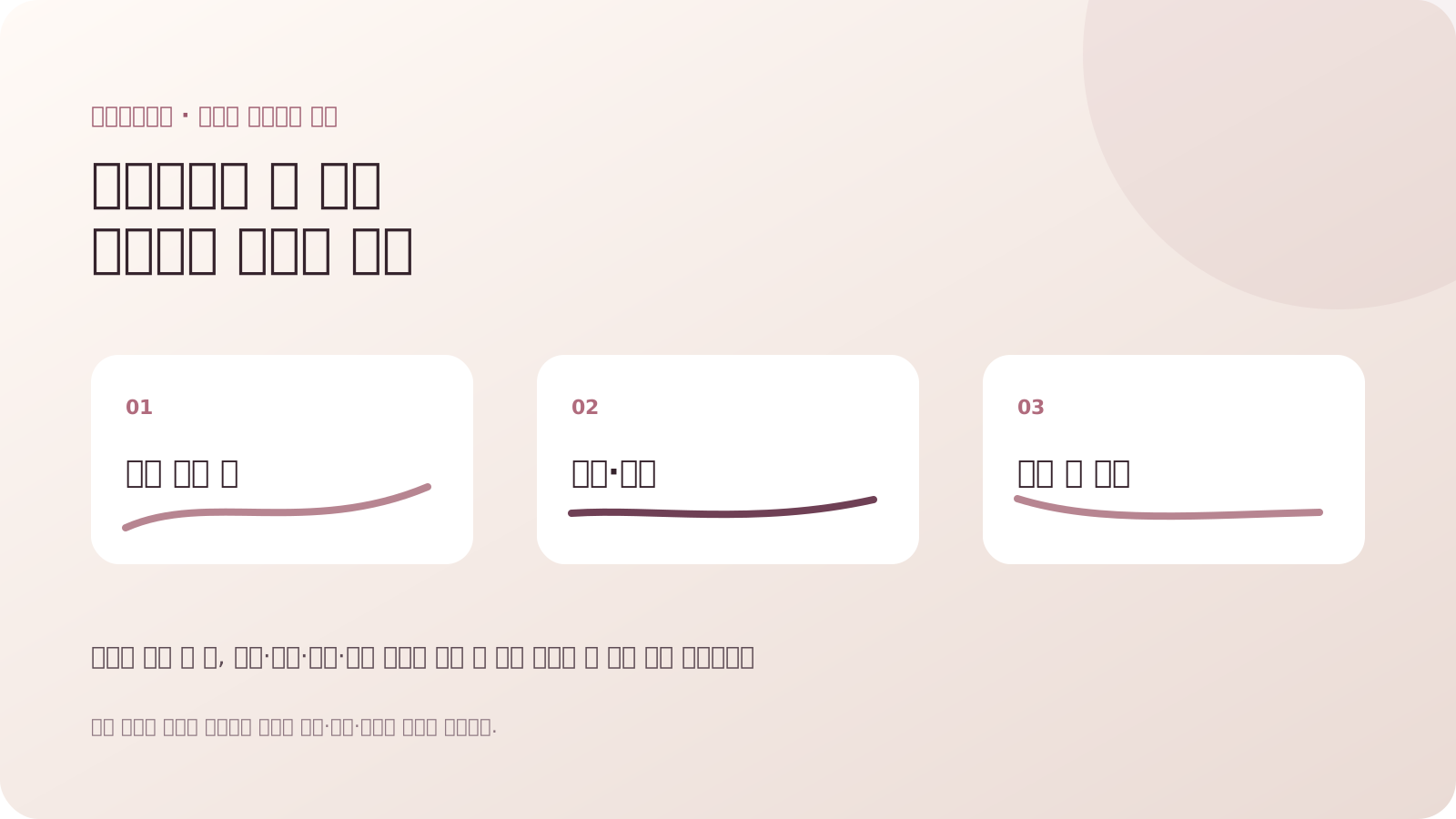
Compare the number of days with severe symptoms, conflicts, absences from work, overeating, nighttime awakenings, and post-menstrual recovery time over two or more cycles.
The goal of treatment is to reach a state where you can eat, sleep, and maintain your daily routine even before menstruation.
Improvement does not only mean that bloating completely reaches 0. Important changes also include a delay in when discomfort begins, an increase in the variety of foods you can eat, and a reduction in the number of days you have to cancel plans due to constipation, edema, or pain.
Before your appointment, instead of just marking dates on your menstrual calendar, try recording the day digestive blockage in the solar plexus began, constipation, cravings for sweets, painkiller use, amount of bleeding, and recovery days after menstruation. Based on these records, Baekrokdam determines whether this is a cyclical digestive discomfort, if more information on bleeding and pain is needed, or if gastrointestinal issues unrelated to menstruation should be addressed first.
Digestive discomfort before menstruation is not a secondary symptom. Rather than suspecting a single food item, we check if it recurs along with your cycle and identify which menstrual records change the next treatment decision, thereby addressing both the dietary burden and delayed recovery during the week before menstruation.
Evidence and Update Information
This content was organized by Korean medicine doctor Choi Yeon-seung based on the materials below and was updated on 2026-09-01.