How to read treatment progress
Next steps for recovery when menstrual pain has decreased but post-menstrual fatigue remains
While maintaining the progress made in reducing pain, if energy, appetite, and sleep do not return after menstruation, or if a heavy feeling in the pelvis remains, the focus of the next herbal medicine prescription is shifted toward the remaining recovery tasks.
Menstrual crampsBleeding, sleep, digestion, and post-menstrual energy levels may not improve at the same rate. While maintaining the progress made in reducing pain, we narrow the focus of the next herbal medicine treatment to delayed recovery after menstruation.
| Treatment Focus | Question | Current Status |
|---|---|---|
| Pain | Has your ability to endure without painkillers or heating pads increased? | Intensity, duration, and medications used |
| Bleeding | Have the amount and duration changed? | Pad and menstrual product replacement |
| Sleep and Digestion | Are you able to eat and sleep well during menstruation? | Alertness, Eating, Bowel Movements |
| Post-menstruation | How many days does it take to return to your usual energy levels? | Return date to work/exercise |
The reduction in menstrual pain and post-menstrual fatigue are different treatment focuses
If pain has decreased from 8 to 4 and the frequency of taking painkillers has dropped, the tension in the pelvis and the pain response may have changed. There is no need to dismiss these improvements just because post-menstrual fatigue remains.
Conversely, if it remains difficult to climb stairs or commute for several days after bleeding ends, and energy, appetite, and sleep do not return, the recovery focus requires the following treatment. Rather than treating the pain from scratch again, we maintain the parts that have responded well and shift the prescription toward recovery.
Saying 'the pain has improved, but my body hasn't recovered' is not a contradiction; it means the treatment goal has moved to the next stage.
The end of bleeding does not mean the body's recovery is complete
If you experienced interrupted sleep, decreased appetite, and heavy bleeding during menstruation, fatigue may persist even after menstruation ends on the calendar. If your body feels heavy, your hands and feet are cold, and you find it hard to concentrate, you should look at the combined burden left by bleeding, sleep, and digestion rather than simply dismissing it as a lack of rest.
During the recovery period, ensure you have warm meals and adequate hydration. Instead of trying to regain your condition with sudden intense exercise, gradually expand your daily activities starting with light walking. Relying on fasting or caffeine can further disrupt your appetite and sleep.
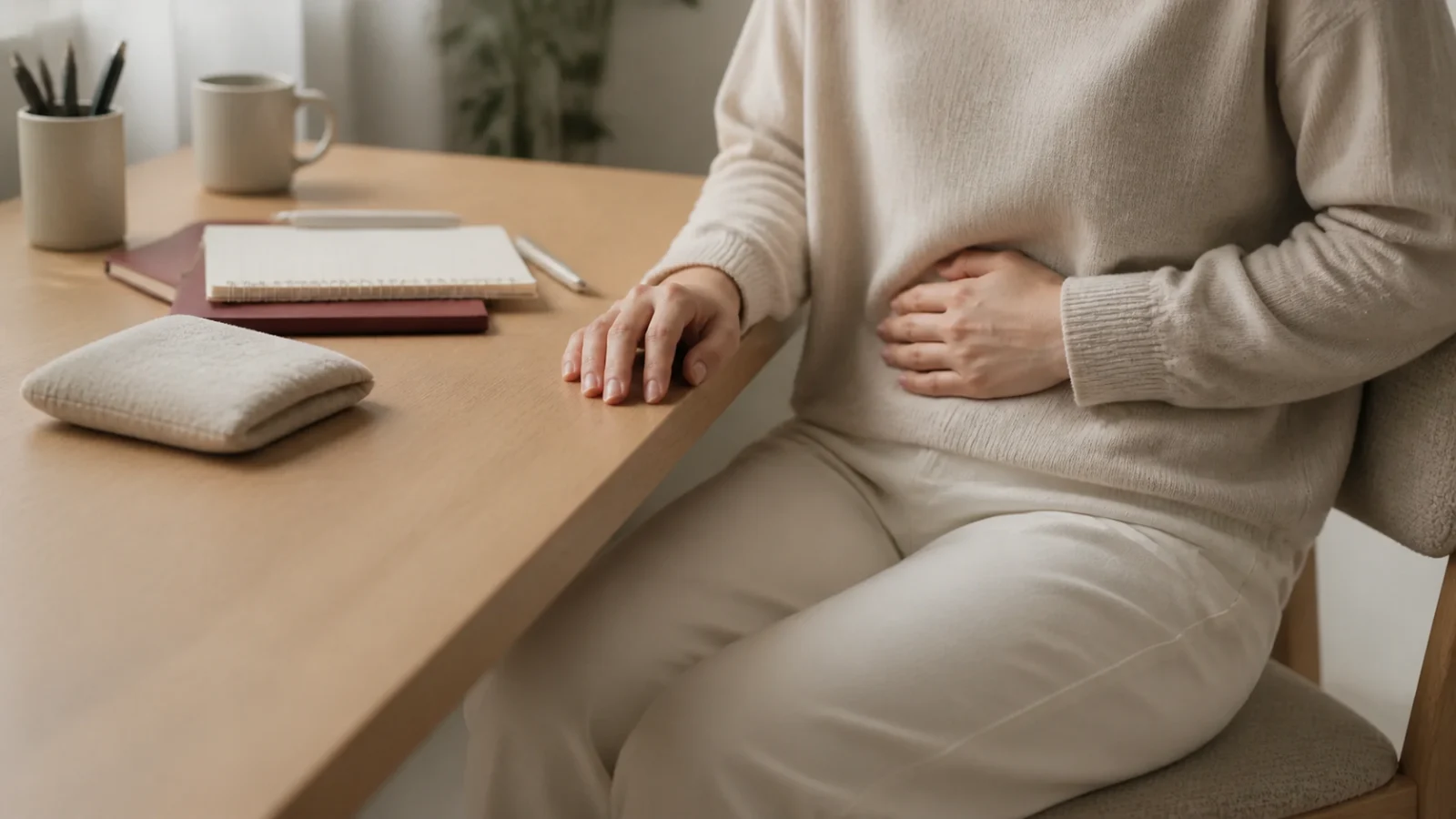
Record the pain intensity along with the time painkillers were taken, time spent lying down, and cancelled activities within one cycle.
The approach varies depending on whether the center of fatigue is energy, digestion, or sleep
Fatigue characterized by a lack of strength and dizziness, fatigue where eating causes bloating and energy loss, and fatigue where waking up in the morning feels heavy due to interrupted night sleep cannot be recovered in the same way. If feelings of coldness, throbbing, or shortness of breath have increased, Anemia these areas must also be examined.
Cases where pain has clearly decreased but a heavy feeling in the pelvis or a sensation of the lower back giving out remains must be viewed separately. Depending on whether it is a case where sleep and digestive recovery are slow despite low bleeding volume, or a case where sleep has returned but pressure and blood clots persist, Baekrokdam sets different priorities between recovery reinforcement and pelvic burden adjustment.
- Do you feel a lack of strength and dizziness after bleeding?
- Is it difficult to eat and recover due to decreased appetite or digestion?
- Does the disrupted sleep from menstruation continue even after the period ends?
Herbal medicine treatment helps recover Qi and blood, digestive function, and sleep while maintaining the improvement in pain.
At Baekrokdam, if pain and tension have eased first, we maintain that response and adjust the herbal medicine based on what is hindering your energy, whether it is the recovery of Qi and blood after menstruation, digestive function, sleep, or a feeling of coldness. Rather than mechanically repeating the same prescription, we reflect the sequence of improvement in your treatment.
Acupuncture treatment can shift its focus from the stage of reducing pelvic and abdominal tension to the stage of aiding recovery from systemic fatigue and sleep issues. The center of the next treatment is to reduce the time it takes for the body to return to its normal state after menstruation.
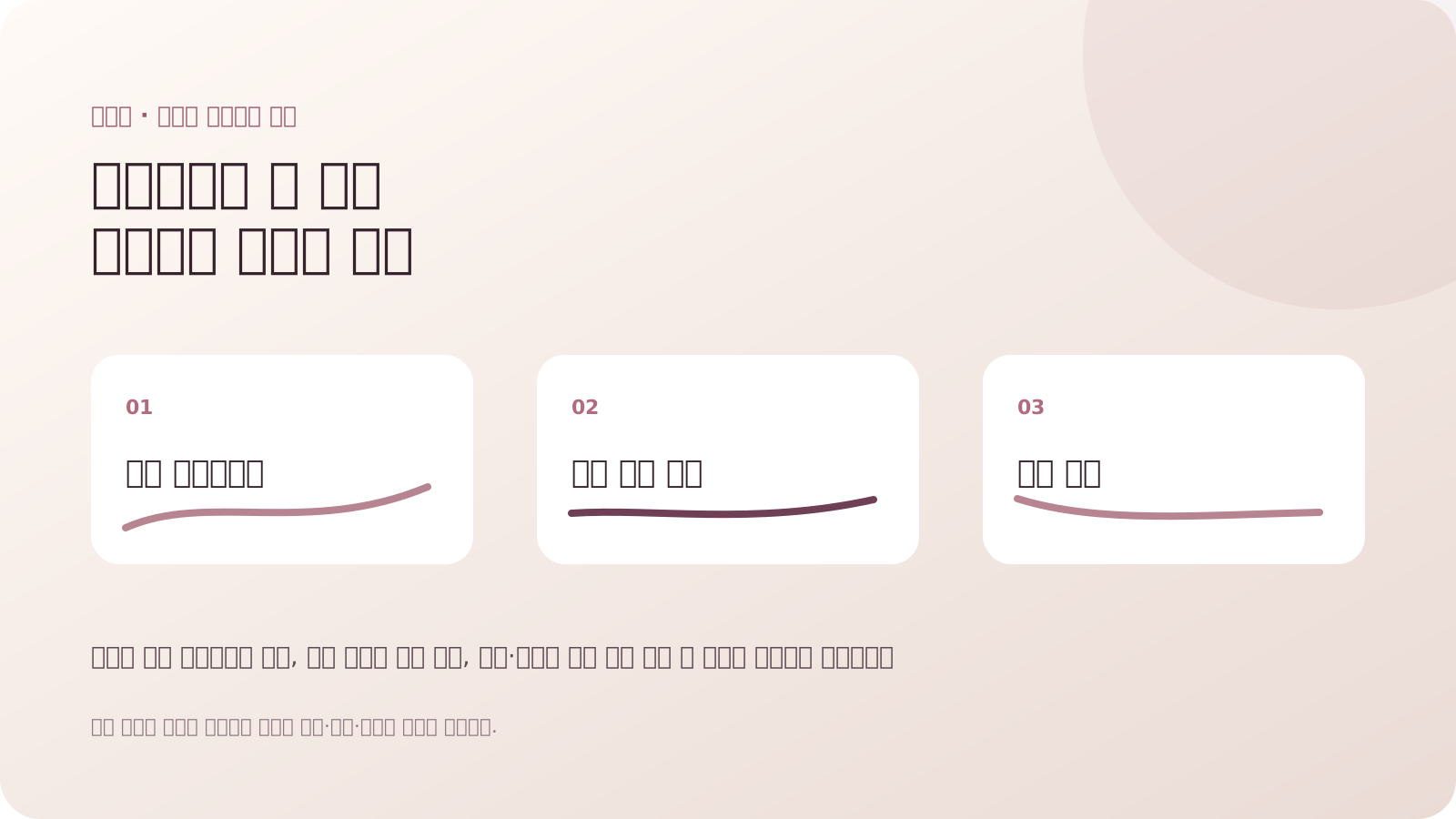
We compare the time until additional painkillers were taken, the time spent lying down due to pain, the days work or classes were attended, and non-menstrual pain by cycle.
The goal of treatment is to go beyond simply enduring without pain and to preserve your energy after menstruation.
Being able to endure without painkillers is a significant change, but if you must give up your daily routine and exercise for several days every time menstruation ends, the recovery of your quality of life is not yet sufficient. The time it takes to eat, sleep, and return to normal activities must also be shortened.
The next prescription is adjusted to address what remains, whether it is fatigue and coldness after bleeding, decreased appetite and sleep, or pelvic heaviness, without allowing the already reduced pain to increase again. It is important not to dismiss the reduction in pain as a failure, but to separate the remaining recovery tasks as the next treatment goals.
The reduction in menstrual pain is a change to be maintained, and post-menstrual fatigue is the next treatment goal. Instead of dismissing the decrease in pain as a failure, we shift the focus of the herbal medicine prescription by identifying whether it is a delay in recovery after bleeding, a sleep/digestion issue, or remaining pelvic burden.
Evidence and Update Information
This content was organized by Korean medicine doctor Choi Yeon-seung based on the materials below and was updated on 2026-09-01.