
Irregular periods: Read in the order of your curiosity
Understanding the diagnosis and test results
Irregular periods: Check the cycle range and changes in weight, sleep, and medication
There is not just one cause for irregular periods. First, check for the possibility of pregnancy, then check for irregular ovulation, Polycystic Ovary Syndromethyroid issues, significant weight changes, excessive exercise, stress, hormonal contraception, and changes during puberty or the menopausal transition. If the possibility of pregnancy overlaps with one-sided pelvic pain, bleeding, or dizziness, or if heavy bleeding causes shortness of breath and a feeling of fainting, an immediate visit to the OB/GYN or an emergency evaluation takes priority over a consultation regarding the cause.
If there is no urgent cause, we examine the fluctuated cycle and ovulation clues focusing on Korean medicine treatment.
While it may be necessary to verify other causes, Korean medicine treatment does not only begin after all gynecological treatments are completed.
you can start with a focus on Korean medicine treatment
We observe patterns of the cycle becoming shorter or longer alongside changes in weight, sleep, stress, acne, and digestion, and check whether the range of cycle fluctuation is decreasing, not just the start date of menstruation.
we connect tests and medication treatment at the appropriate time
If there is existing treatment for confirmed causes such as thyroid issues, prolactin, or PCOS, we maintain that treatment while simultaneously monitoring the cycle, sleep, digestion, and fatigue recovery.
If pregnancy is desired, the timing for infertility evaluation is not delayed, reflecting age and ovulation status.
Other medical evaluations are necessary if these changes occurCheck when applicable
First check for the possibility of pregnancy; for amenorrhea lasting more than 3 months, excessive bleeding, symptoms of anemia, rapid masculinization, or postmenopausal bleeding, an OB/GYN evaluation is prioritized.
- Cases where the possibility of pregnancy is combined with severe one-sided pelvic pain, vaginal bleeding, dizziness, or a feeling of fainting
- Cases where bleeding continues to soak through pads or tampons every hour, accompanied by shortness of breath, chest pain, or severe dizziness
- Cases accompanied by suddenly worsening abdominal pain, shoulder pain, paleness, or changes in consciousness
- Cases where new bleeding occurs after menopause or where bleeding and general systemic condition deteriorate rapidly
Surgery, procedure, or further evaluationIf persistent bleeding or abnormalities within the uterine cavity are suspected, the need for procedures or surgery is determined after additional evaluations such as ultrasound or hysteroscopy.
Why consider Korean medicine treatment
Irregular periods: Setting clear treatment goals first
First, check whether the cycle has become longer or shorter, and how the skipped months and the amount of bleeding have changed. ovulation·We set the goals for Korean herbal medicine treatment by reviewing your thyroid function, weight, and current medications.
Observing how symptoms have disrupted your daily life
Please record the start date and length of your menstrual cycle, any intermenstrual bleeding, and mark the dates when your weight, sleep, exercise amount, or medications changed.
Categorizing symptom combinations even within the same diagnosis
We determine the priority of the prescription by selecting clues from the following that match the actual medical interview and tests: Liver Qi Stagnation, Cycle Fluctuation, Blood Heat, Early Bleeding, Qi and Blood Deficiency, Delayed Cycle, Phlegm-Dampness, or Ovulation Delay.
Re-evaluating through the next cycle and lifestyle changes
We monitor the range of cycle fluctuation, periods of amenorrhea, intermenstrual bleeding, and how many cycles it takes for your life rhythm to stabilize.
Treatment goalInstead of trying to hit a single predicted date, we create a record that ensures dangerous bleeding is not missed and allows for the prediction of ovulation, pregnancy plans, and daily schedules.
Consult about irregular menstrual flow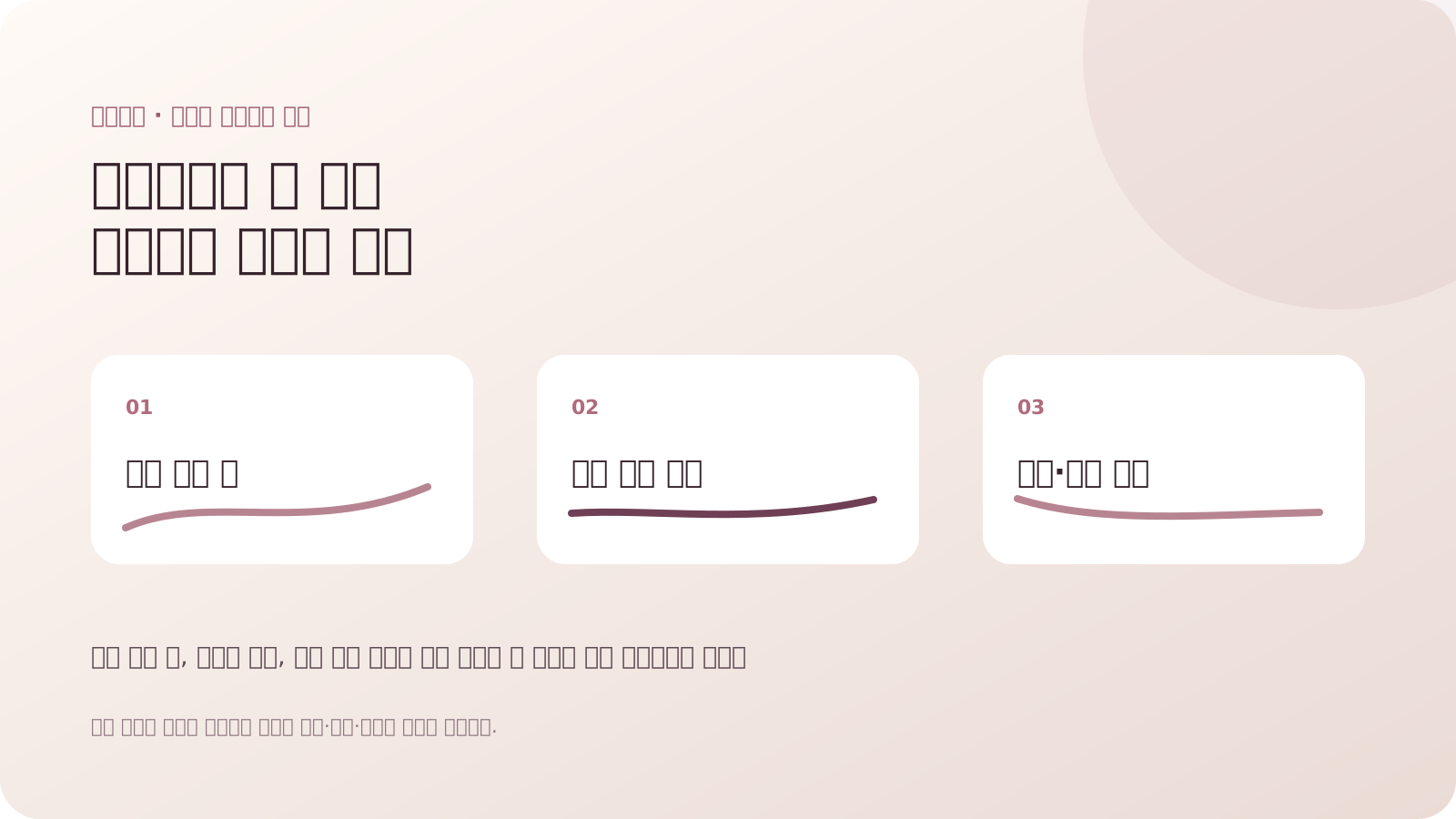
We monitor the range of cycle fluctuation, periods of amenorrhea, intermenstrual bleeding, and how many cycles it takes for your life rhythm to stabilize.
Photos show scenes of how cycles, pain, breastfeeding, and life transitions have affected daily life without revealing faces or identities. Disease tracking charts and conceptual diagrams are simplifications of differential diagnosis, examination, and progress records; they do not represent an individual's diagnosis or pregnancy/treatment results.Understanding Tests and Diagnosis
Irregular Menstruation: Three Things to Know First
When Interpreting Test Results
If your period is late or skipped, check for the possibility of pregnancy before attributing it to stress.
When Identifying Causes and Risk Factors
Various factors such as PCOS, thyroid function, weight changes, exercise, stress, and contraceptive methods menopause transition can alter your cycle.
When Reviewing Lifestyle Changes
For a detailed evaluation of the cause, you must record the cycle interval, amount of bleeding, pain, weight, changes in skin and hair, and any medications taken.
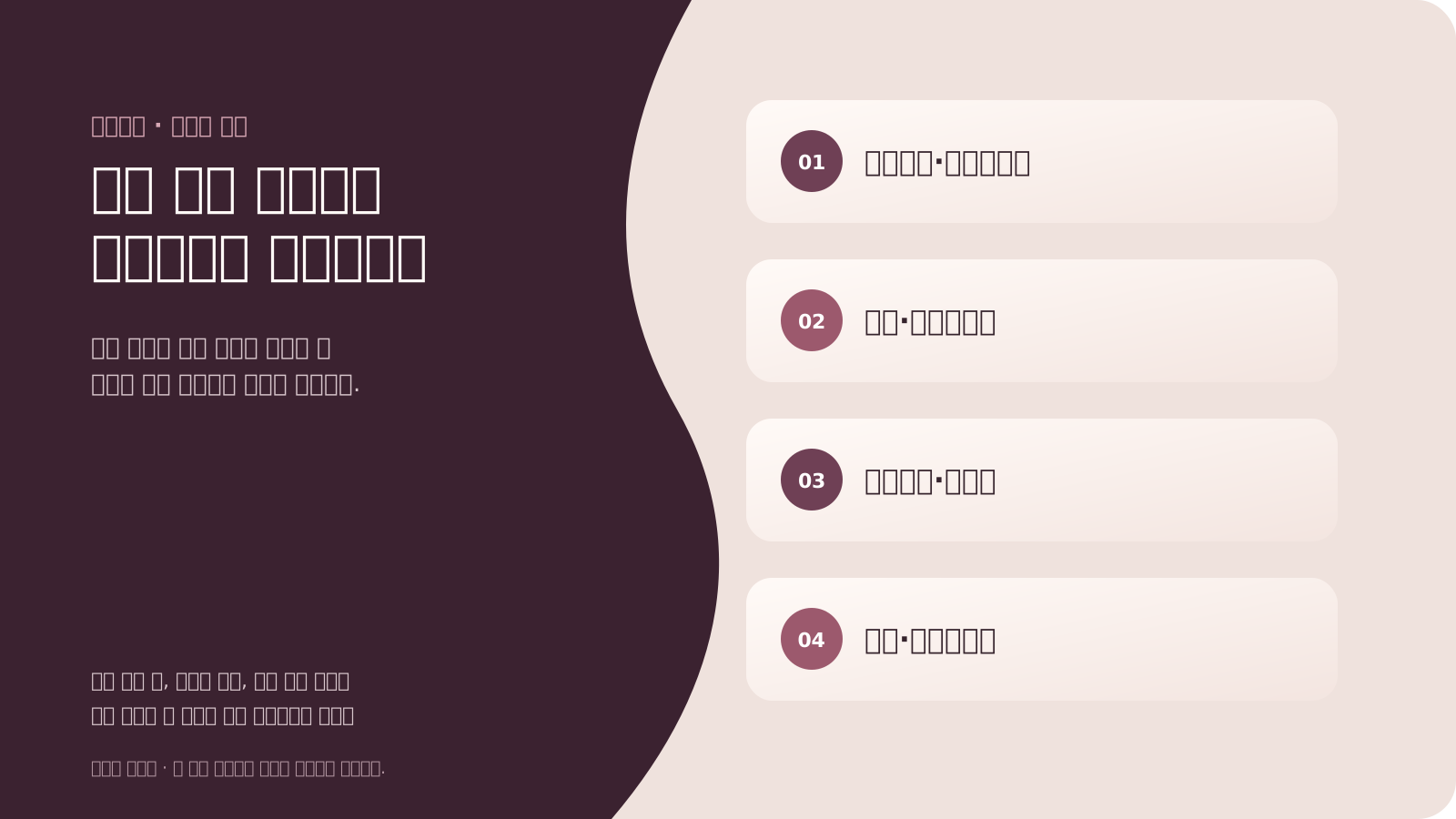
While confirming causes such as pregnancy, thyroid function, prolactin, and PCOS through tests, we distinguish between patterns of blockage following stress, accelerated bleeding with heat sensations, delayed cycles following fatigue, and clues related to Phlegm-Dampness or metabolism.
Conceptual reference · ACOG: Abnormal Uterine Bleeding · ACOG: Amenorrhea: Absence of PeriodsStarting and Adjusting Korean Medicine Treatment
Korean medicine treatment is adjusted according to symptom combinations and changes in the next cycle
Before starting, record your current state
The criteria for summarizing your current status are the start date and duration of menstruation over the last 6 months,intermenstrual bleedingand other related details. We then re-verify pain, cycle, and lifestyle inconveniences under the same categories.
Even with the same diagnosis, symptom combinations differ
We determine the weight of the prescription by finding the recurring combination among: cycles fluctuating significantly after tension or schedule changes / short cycles with heavy flow during months with severe heat sensations and thirst / lengthened cycles with reduced flow after overwork or weight loss / lengthened cycles accompanied by weight gain, edema, or acne.
Re-verify in the next cycle
Even after treatment, we continue to record cycle fluctuation, intermenstrual bleeding, sleep, and weight changes in the same manner to maintain or adjust the prescription.
What to prepare before your visit
Please organize these three things before your visit
Menstrual start date, duration, and intermenstrual bleeding for the last 6 months
Note the test dates and results together to track recent changes.
Pregnancy tests, hormone, thyroid, and ultrasound results, and changes in contraception or medication
Prepare test results and a list of medications used so that the status before and after treatment can be compared.
Changes in weight, exercise, shift work, sleep, acne, and hirsutism
Inform the medical staff of all prescription drugs, over-the-counter drugs, Korean herbal medicine, and supplements without omission.
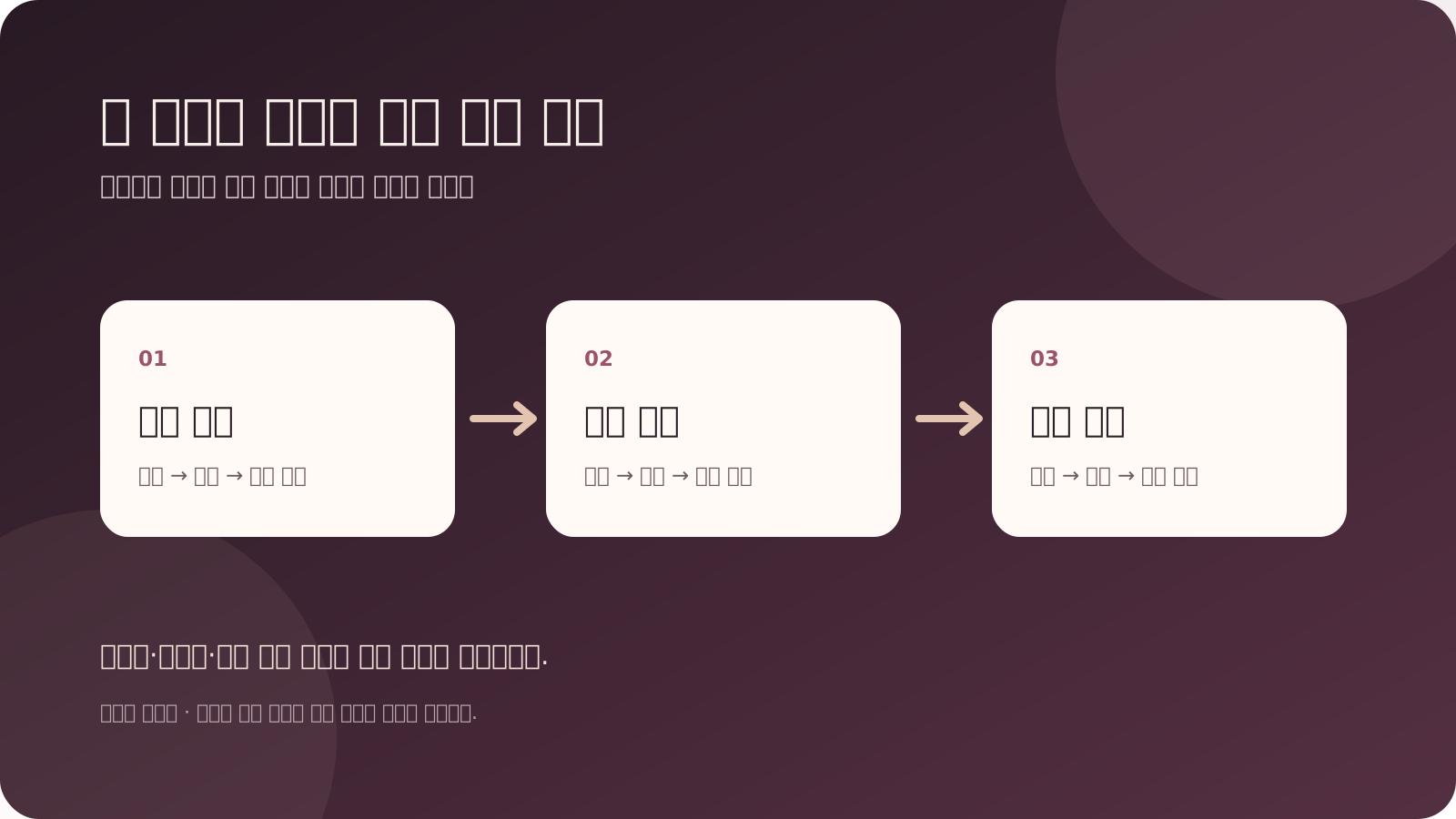
We compare the start date, duration, intermenstrual bleeding, and lifestyle changes.
Conceptual reference · ACOG: Abnormal Uterine Bleeding · ACOG: Amenorrhea: Absence of PeriodsChanges to monitor before and after treatment
Check again using the same categories to determine if the treatment is helpful
Cycle variation range, amenorrhea duration, intermenstrual bleeding, and whether the lifestyle rhythm stabilizes over several cycles.
Cycle variation range
Establish a baseline by confirming your current status during the first consultation.
Intermenstrual bleeding
Record this along with the dates when treatment or medication changed.
Changes in sleep and weight
Look for consistent changes over several days rather than a single good day.

Record not only the start date but also the amount of bleeding, pain, medication, and impact on daily life using the same criteria.
If starting Korean medicine treatment
Irregular periods: four symptom combinations for prescribing Korean herbal medicine
While confirming causes such as pregnancy, thyroid, prolactin, and PCOS through tests, we distinguish between patterns of blockage after stress, heat sensations with accelerated bleeding, delayed patterns after fatigue, and clues related to phlegm-dampness or metabolism.
Pattern identification (Byun-jeung) is not about renaming a gynecological diagnosis. For each condition, we determine whether to center the care on Korean medicine treatment, combine it with other treatments, or prioritize treating the underlying cause first. Then, we reflect items that actually change together, such as cycle, pain, cold/heat sensations, digestion, sleep, and energy levels, into the prescription.
When the cycle fluctuates significantly before or after the expected date following tension and schedule changes
- Changes observed in cycles and pain
- We look at cycle deviation and premenstrual bloating or breast discomfort.
- Concurrent changes observed in the body
- We ask about lack of sleep, emotional tension, headaches, and digestive discomfort.
- Prescription Priority
- We prioritize releasing the rhythm of stagnant Qi and tracking changes in ovulation and bleeding records.
When the cycle is short and the flow is heavy during months with severe heat sensations and thirst
- Changes observed in cycles and pain
- We look at the shortened cycle, bright red bleeding, and night sweats.
- Concurrent changes observed in the body
- We check for flushing, dry mouth, constipation, and the influence of medication or the thyroid.
- Prescription Priority
- After first ruling out the cause of excessive bleeding, we focus on reducing heat and the tendency to bleed.
When the cycle lengthens and flow decreases after overwork or weight loss
- Changes observed in cycles and pain
- We look for long cycles, light flow, dizziness, and paleness.
- Concurrent changes observed in the body
- We check food intake, weight changes, exercise levels, anemia, and recovery status.
- Prescription Priority
- We prioritize the recovery of Qi and Blood while maintaining an evaluation of nutritional and energy deficiencies.
When the cycle lengthens along with weight gain, edema, and acne
- Changes observed in cycles and pain
- We look for oligomenorrhea, changes in cervical mucus, ultrasound results, and metabolic indicators.
- Concurrent changes observed in the body
- We check for PCOS, blood glucose levels, sleep apnea, and current medications.
- Prescription Priority
- We adjust phlegm-dampness and lifestyle rhythms without delaying metabolic treatment.
Order of Prescription Adjustment
- Check for urgent medical evaluation and current treatments
Check for emergency symptoms and the timing for re-evaluation; do not arbitrarily change prescription or procedure plans.
- Select the combination of symptoms that actually recur
Rather than using the four categories as a self-diagnosis checklist, we retain only the relevant clues from medical interviews and existing tests.
- Determine the next prescription based on the same items
We re-evaluate the range of cycle fluctuations, intermenstrual bleeding, sleep, and weight changes to decide whether to maintain, adjust, or discontinue treatment.
We review pregnancy-related evaluations, tests or surgeries for structural diseases, antibacterial treatment for infections, and schedules for infertility procedures and menopause treatment to divide and coordinate the scope of Korean herbal medicine treatment. Treatment goals are tracked by specifically defining changes in pain, bleeding, sleep, energy levels, and daily functioning.
Consult about irregular menstrual flowWomen's Health Glossary
Additional Information Regarding Irregular Menstruation
You can check a brief definition before proceeding to a detailed explanation.Frequently Asked Questions
Frequently Asked Questions About Irregular Menstruation
When should I take a pregnancy test if my period is late?
If there is a possibility of pregnancy and your expected date has passed, please check using a pregnancy test kit according to the instructions. Even if the result is negative, if your period continues to be absent or is accompanied by pain or bleeding, do not rely solely on the result; please seek medical evaluation.
Does an irregular period automatically mean I have PCOS?
No. PCOS is one of the possible causes. We must also check for pregnancy, thyroid issues, changes in weight, exercise, and stress, as well as medications. We synthesize accompanying symptoms with physical examinations and tests.
Can I just monitor irregular periods during the menopausal transition?
While the cycle may fluctuate, severe bleeding, intermenstrual bleeding, or postmenopausal bleeding requires evaluation. Please record any changes from your previous patterns and consult an OB/GYN.
Are there specific foods that are good for irregular periods?
For irregular periods, rather than a single health food, it is more important to eat regularly without skipping meals, ensuring sufficient protein, iron, and energy. In Korean medicine, dietary and Korean herbal medicine directions are divided based on the cycle and systemic symptoms: the Kidney Yang Deficiency type (cold hands, feet, and lower abdomen), the Qi and Blood Deficiency type (fatigue and dizziness), the Phlegm-Dampness type (prominent weight gain and edema), and the Blood Stasis type (pain and lumps). If there are rapid weight changes, possibility of pregnancy, or excessive bleeding, those causes must also be identified.
Is a pregnancy test always required during an irregular period examination?
If you are of childbearing age and there is a possibility of pregnancy, this is checked before other hormone tests. If a positive or uncertain result coincides with pain or bleeding, seek an immediate OB/GYN evaluation.
Is PCOS diagnosed using ultrasound alone?
No. We combine the patterns of the menstrual cycle and ovulation, androgen clues, the exclusion of other causes, and ultrasound. A diagnosis is not confirmed based on the appearance of the ovaries alone.
When should herbal medicine treatment be considered for irregular menstruation?
If there are no symptoms that need to be checked first or other suspected causes, treatment can begin focusing on Korean medicine. We examine whether the cycle is becoming shorter or longer in conjunction with changes in weight, sleep, stress, acne, and digestion, and check if the variation in the cycle length is decreasing, not just the start date of menstruation.
What should I record before a consultation for irregular menstruation?
It is helpful to organize the following information in chronological order: the start date, duration, and intermenstrual bleeding of the last 6 months; results of pregnancy tests, hormone tests, thyroid tests, and ultrasounds; changes in contraception or medication; and changes in weight, exercise, shift work, sleep, acne, and hirsutism. Please prepare a cycle chart for the last 6 months, the possibility of pregnancy, and the timing of any changes in weight, sleep, or medication.
Can I use herbal medicine along with other treatments for irregular menstruation?
Do not stop your current prescriptions arbitrarily, and please inform us of all medications and supplements you are taking. Rather than trying to hit a single expected date, we create a record that avoids missing dangerous bleeding and allows for the prediction of ovulation, pregnancy plans, and daily schedules.
Evidence and Update Information
This content was compiled by Korean medicine doctor Choi Yeon-seung based on the official professional materials and disease-specific clinical data below, and was updated on 2026-08-24.
- NHS: Irregular periodsEvidence for causes of irregular menstruation, including pregnancy, hormonal contraception, weight changes, stress, excessive exercise, PCOS, thyroid issues, and the menopausal transition
- ACOG: Abnormal Uterine BleedingTiming, amount, cycle, and evaluation criteria for abnormal bleeding
- ACOG: Amenorrhea: Absence of PeriodsDefinition of amenorrhea and evaluation of pregnancy, endocrine, and structural causes
- NICHD: How is amenorrhea diagnosed?Tests by cause, such as pregnancy, TSH, FSH/LH, and androgens, and criteria for ultrasound and selective additional imaging
- ACOG: Primary Ovarian Insufficiency in Adolescents and Young WomenDifferential diagnosis evidence for pregnancy, PCOS, hypothalamic, thyroid, hyperprolactinemia, and ovarian function causes
- ACOG: DysmenorrheaPrimary and secondary dysmenorrhea and medical evaluation criteria
- NICE NG88: Heavy menstrual bleedingEvaluation of menorrhagia and treatment selection recommendations
- ACOG: Chronic Pelvic PainCauses of chronic pelvic pain and functional impact assessment