
Vaginitis: Read in order of your concerns
Understanding the diagnosis and test results
Vaginitis: We check the sequence of tests and treatment by cause, rather than looking only at discharge
VaginitisThe cause cannot be determined by a single symptom such as discharge or itching. Candida vaginitis, bacterial vaginosis, and trichomoniasis may have overlapping symptoms, but the required tests, treatments, and management of sexual partners differ. If this is your first occurrence, if you are pregnant, or if symptoms recur quickly after treatment, please seek a medical examination and testing rather than continuing self-treatment. If fever, chills, severe pelvic pain, potential pregnancy, and bleeding occur together, an evaluation for upper reproductive tract infection or pregnancy-related causes takes priority.
For recurrent vaginitis, after identifying the causative infection, we use Korean medicine treatment to sequentially address mucosal discomfort and systemic recovery.
While it may be necessary to verify other causes, Korean medicine treatment does not only begin after all gynecological treatments are completed.
you can start with a focus on Korean medicine treatment
Instead of self-diagnosing based on the appearance of discharge, we review test history and manage mucosal irritation/dryness, the relationship with menstruation and sexual activity, and the interval of recurrence in connection with sleep, fatigue, and digestion.
we connect tests and medication treatment at the appropriate time
Once the causative infection is confirmed, the corresponding treatment is administered; in cases of frequent recurrence, Korean medicine treatment is used to manage mucosal discomfort and systemic recovery.
The plan varies depending on pregnancy or menopause status and whether the infection requires treatment for the sexual partner.
Other medical evaluations are necessary if these changes occurCheck when applicable
Fever, chills, severe pelvic pain, potential pregnancy with bleeding, or ulcers and blisters require a prompt medical evaluation rather than self-treatment for simple vaginitis.
- High fever, chills, and severe pelvic pain
- Potential pregnancy with bleeding or one-sided pelvic pain
- Repeated vomiting, feeling of fainting, or rapidly worsening pain
- New foul-smelling discharge, pain, or bleeding during pregnancy
Surgery, procedure, or further evaluationThese are not indications for surgery; pelvic pain, fever, bleeding, or repeated intractable symptoms are re-evaluated for upper infections and other diseases.
Why consider Korean medicine treatment
Vaginitis: Setting clear treatment goals
Itching and dischargeare not all viewed as the same type of vaginitis; the cause is confirmed through testing. If irritation remains or recurs after the necessary treatment, we examine the timing of recurrence alongside menstruation, cleansing habits, and sleep.
Observing how symptoms have disrupted your daily life
Rather than comparing photos of discharge alone, we record the names and results of tests, medication names and durations, symptom-free days, and any pelvic pain or fever.
Categorizing symptom combinations even within the same diagnosis
We determine the priority of the prescription by selecting clues from the actual medical interview and tests among the following: infection-confirmed type, damp-heat type, acute irritation type, Spleen-deficiency-dampness-phlegm type, recurrent type, Yin-blood deficiency type, and dryness type.
Re-evaluating through the next cycle and lifestyle changes
We monitor the cause confirmed by tests, completion of treatment, the symptom-free period, the reduction in use of over-the-counter medications and cleansers, and the recovery of sexual activity and sleep.
Treatment goalWe aim to reduce repeated treatments that do not match the cause and extend the period of remaining without mucosal discomfort following tests and treatment.
Consultation by distinguishing the cause of vaginitis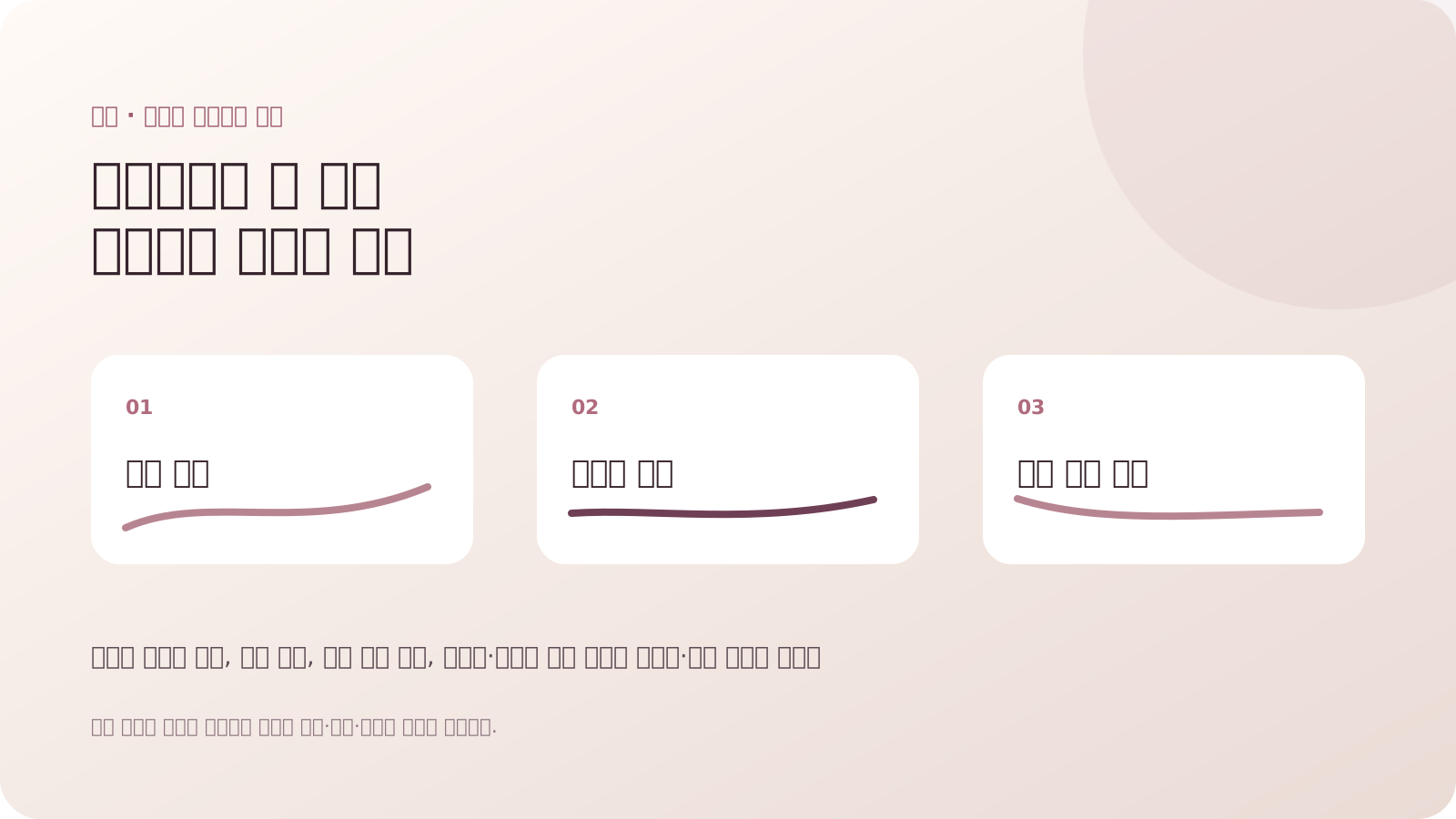
We monitor the cause confirmed by tests, completion of treatment, the symptom-free period, the reduction in use of over-the-counter medications and cleansers, and the recovery of sexual activity and sleep.
Photos show scenes of how cycles, pain, breastfeeding, and life transitions have affected daily life without revealing faces or identities. Disease tracking charts and conceptual diagrams are simplifications of differential diagnosis, examination, and progress records; they do not represent an individual's diagnosis or pregnancy/treatment results.Understanding Tests and Diagnosis
Vaginitis: Three things to know first
When Interpreting Test Results
The cause is not determined by vaginitis symptoms alone, nor is the same medication repeated without verification.
When Identifying Causes and Risk Factors
Record test results, medication names, treatment end dates, and the duration of comfort.
When Reviewing Lifestyle Changes
Fever, pelvic pain, possibility of pregnancy, and bleeding require prompt medical evaluation first.

Priority is given to treating the confirmed cause for each type; remaining clues of damp-heat, damp-phlegm, dryness, or deficiency of energy are addressed only within the scope of mucosal recovery.
Conceptual reference · CDC: Vaginal Discharge · CDC: Bacterial VaginosisStarting and Adjusting Korean Medicine Treatment
Korean medicine treatment is adjusted according to symptom combinations and changes in the next cycle
Before starting, record your current state
The criteria for summarizing your current condition are the onset of symptoms, discharge, odor, itching, and pain. Pain, cycle, and lifestyle discomfort are re-verified under the same category.
Even with the same diagnosis, symptom combinations differ
We determine the weight of the prescription by identifying which of the following combinations actually recur: when the cause of discharge, odor, or itching has not yet been tested / when heat, odor, and stinging clearly overlap / when discharge recurs after fatigue, antibiotic use, or menstruation / when tests are negative but dryness and burning persist.
Re-verify in the next cycle
Even after treatment, we maintain or adjust prescriptions by recording the cause test, cause-specific treatment, and mucosal recovery period in the same manner. If vaginitis recurs, please refer to the column on how to record medication names and recurrence intervals; summarize your test results, treatment end date, and symptom-free period in one line to narrow down the questions for your next visit.
What to prepare before your visit
Please organize these three things before your visit
Onset of symptoms, discharge, odor, itching, pain
Note the test dates and results together to track recent changes.
Microscopic, culture, and molecular tests, and used medications, vaginal suppositories, or creams
Prepare test results and a list of medications used so that the status before and after treatment can be compared.
Information on pregnancy, menopause, diabetes, antibiotics, skin diseases, and sexual partners
Inform the medical staff of all prescription drugs, over-the-counter drugs, Korean herbal medicine, and supplements without omission.
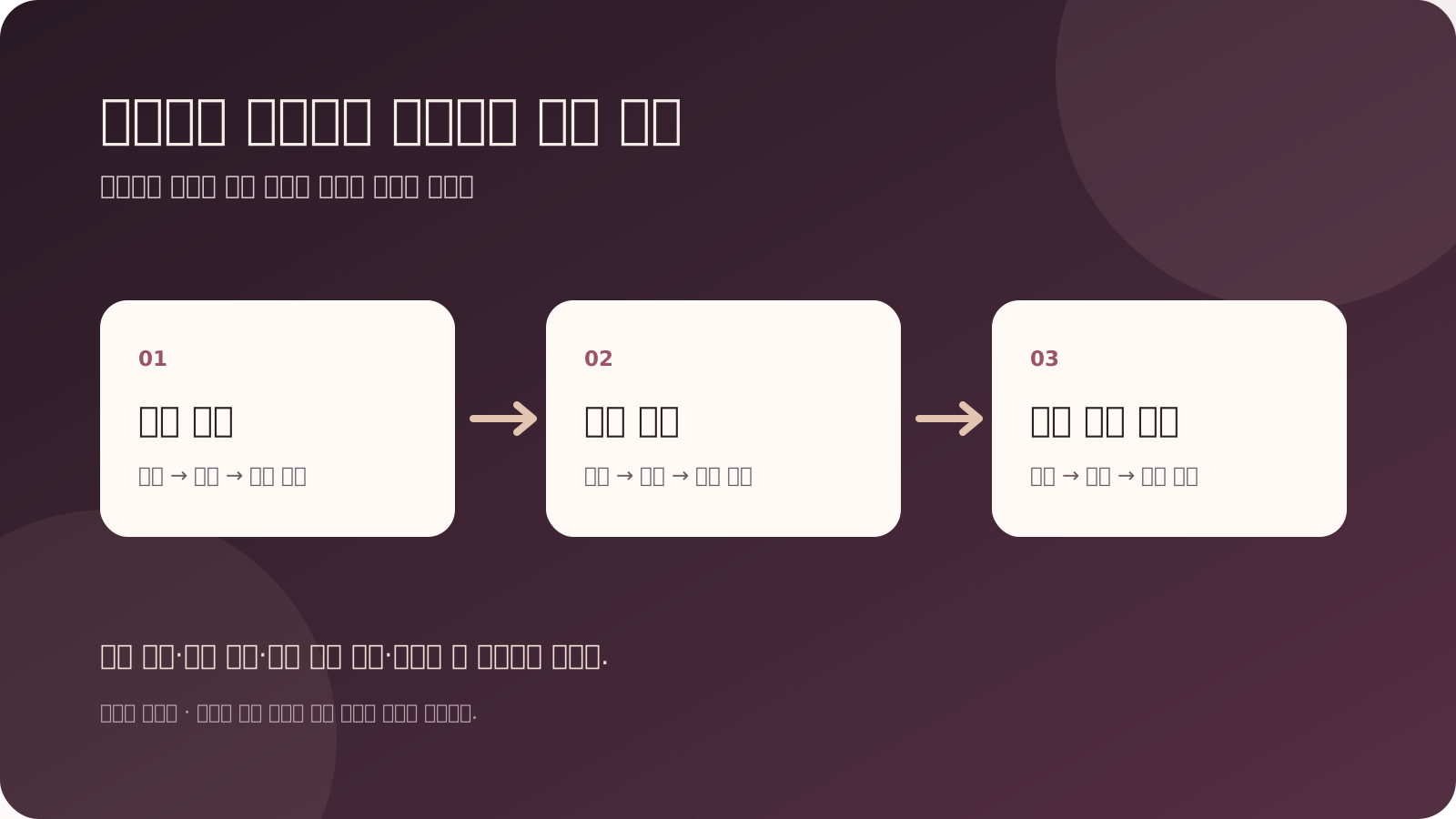
Test results, cause-specific treatment, symptom-free periods, and re-examinations are reviewed together.
Conceptual reference · CDC: Vaginal Discharge · CDC: Bacterial VaginosisChanges to monitor before and after treatment
Check again using the same categories to determine if the treatment is helpful
We monitor the cause confirmed by tests, completion of treatment, the symptom-free period, the reduction in use of over-the-counter medications and cleansers, and the recovery of sexual activity and sleep.
Cause testing
Establish a baseline by confirming your current status during the first consultation.
Cause-specific treatment
Record this along with the dates when treatment or medication changed.
Mucosal recovery period
Look for consistent changes over several days rather than a single good day.

Organizing test results and treatment history chronologically helps you identify specific questions to ask during your next appointment.
If starting Korean medicine treatment
Four symptom combinations for prescribing Korean herbal medicine for vaginitis
Priority is given to treating the identified cause for each type; after that, clues such as damp-heat, damp-phlegm, dryness, or decreased energy are addressed within the scope of mucosal recovery.
Pattern identification (Byun-jeung) is not about renaming a gynecological diagnosis. For each condition, we determine whether to center the care on Korean medicine treatment, combine it with other treatments, or prioritize treating the underlying cause first. Then, we reflect items that actually change together, such as cycle, pain, cold/heat sensations, digestion, sleep, and energy levels, into the prescription.
When the causes of discharge, odor, and itching have not yet been tested
- Changes observed in cycles and pain
- We examine pH, microscopy, culture, molecular tests, and symptoms.
- Concurrent changes observed in the body
- We differentiate between Candida, BV, Trichomonas, and cervicitis.
- Prescription Priority
- Identifying and treating the cause is prioritized over Korean herbal medicine.
When heat sensation, odor, and stinging overlap clearly
- Changes observed in cycles and pain
- We examine mucosal heat sensation, skin damage, and urinary irritation.
- Concurrent changes observed in the body
- Pelvic inflammatory disease, STIs, and contact dermatitis are ruled out first.
- Prescription Priority
- Acute mucosal irritation is reduced after the cause is treated.
When discharge recurs after fatigue, antibiotic use, or menstruation
- Changes observed in cycles and pain
- We examine the interval between recurrences, digestion, edema, and diet.
- Concurrent changes observed in the body
- We check if the same cause was identified each time.
- Prescription Priority
- Underlying factors are adjusted along with damp-phlegm and recovery burden.
When tests are negative but dryness and burning sensations persist
- Changes observed in cycles and pain
- We examine clues related to dryness, dyspareunia, skin, and menopause.
- Concurrent changes observed in the body
- We identify non-infectious causes such as atrophy or skin diseases.
- Prescription Priority
- Unnecessary infection medications are avoided, and mucosal recovery is prioritized.
Order of Prescription Adjustment
- Check for urgent medical evaluation and current treatments
Check for emergency symptoms and the timing for re-evaluation; do not arbitrarily change prescription or procedure plans.
- Select the combination of symptoms that actually recur
Rather than using the four categories as a self-diagnosis checklist, we retain only the relevant clues from medical interviews and existing tests.
- Determine the next prescription based on the same items
Changes in cause-related tests, cause-specific treatments, and the mucosal recovery period are re-evaluated to determine whether to maintain, adjust, or discontinue treatment.
We review pregnancy-related evaluations, tests or surgeries for structural diseases, antibacterial treatment for infections, and schedules for infertility procedures and menopause treatment to divide and coordinate the scope of Korean herbal medicine treatment. Treatment goals are tracked by specifically defining changes in pain, bleeding, sleep, energy levels, and daily functioning.
Consultation on identifying the cause of vaginitisWomen's Health Glossary
Additional information regarding vaginitis
You can check a brief definition before proceeding to a detailed explanation.Frequently Asked Questions
Frequently Asked Questions about vaginitis
Can you tell if it is Candida just by looking at the discharge?
No. Since symptoms can overlap, we distinguish the cause through a physical examination and necessary tests such as microscopy and cultures.
Can I repeatedly use over-the-counter vaginitis medication from a pharmacy?
If symptoms persist or recur quickly after the initial treatment, we recommend testing, as this may delay the diagnosis of other causes.
Is bacterial vaginosis an STD?
It is a condition related to an imbalance of microorganisms in the vagina and is distinguished from sexually transmitted infections such as Trichomonas.
Does my partner need treatment as well?
It depends on the cause. Partner treatment is important for Trichomonas, butBacterial Vaginosisthe same approach is not applied to Candida.
What should I do about vaginitis symptoms during pregnancy?
Please inform your provider of your pregnancy and receive a medical evaluation before attempting self-treatment. Symptomatic bacterial vaginosis, among others, requires appropriate evaluation and treatment even during pregnancy.
When can Korean herbal medicine treatment be considered for vaginitis?
If there are no symptoms that must be checked first or other suspected causes, you can start with a focus on Korean medicine treatment. Rather than self-diagnosing based on the appearance of discharge, we review test history and manage mucosal irritation/dryness, the relationship with menstruation/sexual activity, and the interval of recurrence alongside sleep, fatigue, and digestion.
What should I record before a vaginitis consultation?
It is helpful to organize the following information chronologically: onset of symptoms, discharge, odor, itching, pain; microscopy, culture, and molecular tests; and any medications, vaginal suppositories, or creams used. Please also include information on pregnancy, menopause, diabetes, antibiotic use, skin conditions, and sexual partners. Please prepare your test results, medications used, symptom-free periods, and pregnancy/menopause status.
Can I use Korean herbal medicine along with other vaginitis treatments?
Do not stop your current prescriptions arbitrarily; please inform us of all medications and supplements you are taking. This helps reduce repeated treatments that do not match the cause and extends the period of remaining free from mucosal discomfort after testing and treatment.
Evidence and Update Information
This content was compiled by Korean medicine doctor Choi Yeon-seung based on the official professional materials and disease-specific clinical data below, and was updated on 2026-08-24.
- CDC: Vaginal DischargeReasons why the cause of vaginitis cannot be determined by symptoms alone and the necessary tests
- CDC: Vulvovaginal CandidiasisTesting for Candida and the distinction between uncomplicated, complicated, and recurrent cases
- CDC: Bacterial VaginosisDiagnosis, treatment, and considerations during pregnancy for bacterial vaginosis
- CDC: TrichomoniasisPartner treatment, re-examination, and re-infection management
- CDC: Pelvic Inflammatory DiseaseLow diagnostic threshold, antibiotics, and 72-hour re-evaluation for pelvic inflammatory disease (PID)