
Candidiasis: Read in order of your curiosity
Understanding the diagnosis and test results
For candidiasis, we check for fungi and the number of recurrences rather than looking at itching alone
Candidiasiscan manifest as vulvar itching, pain, swelling, redness, dyspareunia (pain during intercourse), pain when urinating, and abnormal discharge, but none of these symptoms are specific only to Candida. If there is a strong odor, pelvic pain, fever, bleeding, or potential exposure to sexually transmitted infections, tests for bacterial vaginosis, trichomoniasis, or cervicitis should be conducted. During pregnancy, do not self-medicate with oral fluconazole and seek medical evaluation.
While identifying the fungal species and the cause of recurrence, we also monitor the recovery from repeated itching and mucosal irritation.
Confirm the cause through testing and first receive necessary infection treatment. If itching, discharge, or pelvic discomfort persists or recurs after treatment, the scope of Korean medicine treatment is determined by examining the timing of recurrence and the body's general condition.
we examine recurring symptoms and the body's recovery
While ensuring the timing for antifungal treatment is not missed, we also address lingering dryness, burning, sleep disturbance, fatigue, poor digestion, and the conditions surrounding recurrence.
Test, medication, and procedure schedules are shared as they are
Supportive care during the recovery period is considered only when mucosal irritation and sleep discomfort persist after the primary cause has been treated.
Avoid self-medication as the usable antifungal agents vary depending on pregnancy status.
Cases requiring an OB/GYN evaluationCheck when applicable
If this is the first occurrence, or if there is recurrence, pregnancy, diabetes, or immunodeficiency, testing and recommended antifungal treatment come first; fever and pelvic pain are evaluated for other causes.
- Possibility of pregnancy and severe unilateral pelvic pain, bleeding, or feeling of fainting
- High fever, chills with severe pelvic pain, or repeated vomiting
- Rapidly spreading vulvar swelling, severe pain, or skin color changes
- Heavy vaginal bleeding accompanied by dizziness or clouded consciousness
Surgery, procedure, or further evaluationThis is not an indication for surgery; recurrent or refractory symptoms require culture tests and evaluation for diabetes, immunodeficiency, or non-infectious causes.
To what extent to integrate Korean medicine treatment
Candida vaginitis: Distinguishing the roles of the two treatments
First, test to confirm if it is a Candida infection and prioritize necessary antifungal treatment. If itching or burning persists or recurs after treatment, check for diabetes, antibiotic use, and mucosal irritation.
Observing how symptoms have disrupted your daily life
Rather than the appearance of discharge, record the testing method, fungal species, medication name, duration, completion status, and the interval of recurrence in relation to antibiotics, blood glucose, and menstruation.
Categorizing symptom combinations even within the same diagnosis
Prescription priorities are determined by selecting clues from the actual medical interview and tests among: fungus-confirmed/treatment-first type, damp-heat type, acute-irritation type, spleen-deficiency-damp-phlegm type, recurrent type, and yin-blood-deficiency/dryness type.
Re-evaluating through the next cycle and lifestyle changes
We monitor the number of recurrences confirmed by tests, days without itching, interference with sleep or sexual life, use of self-administered antifungals, and management of blood glucose and underlying diseases.
Treatment goalContinue antifungal treatment appropriate for the culture and fungal species while reducing incorrect repeated self-treatment; Korean herbal medicine treatment is used concurrently with the goal of increasing the interval between recurrences and the period without mucosal irritation.
Consult about the causes of Candida recurrence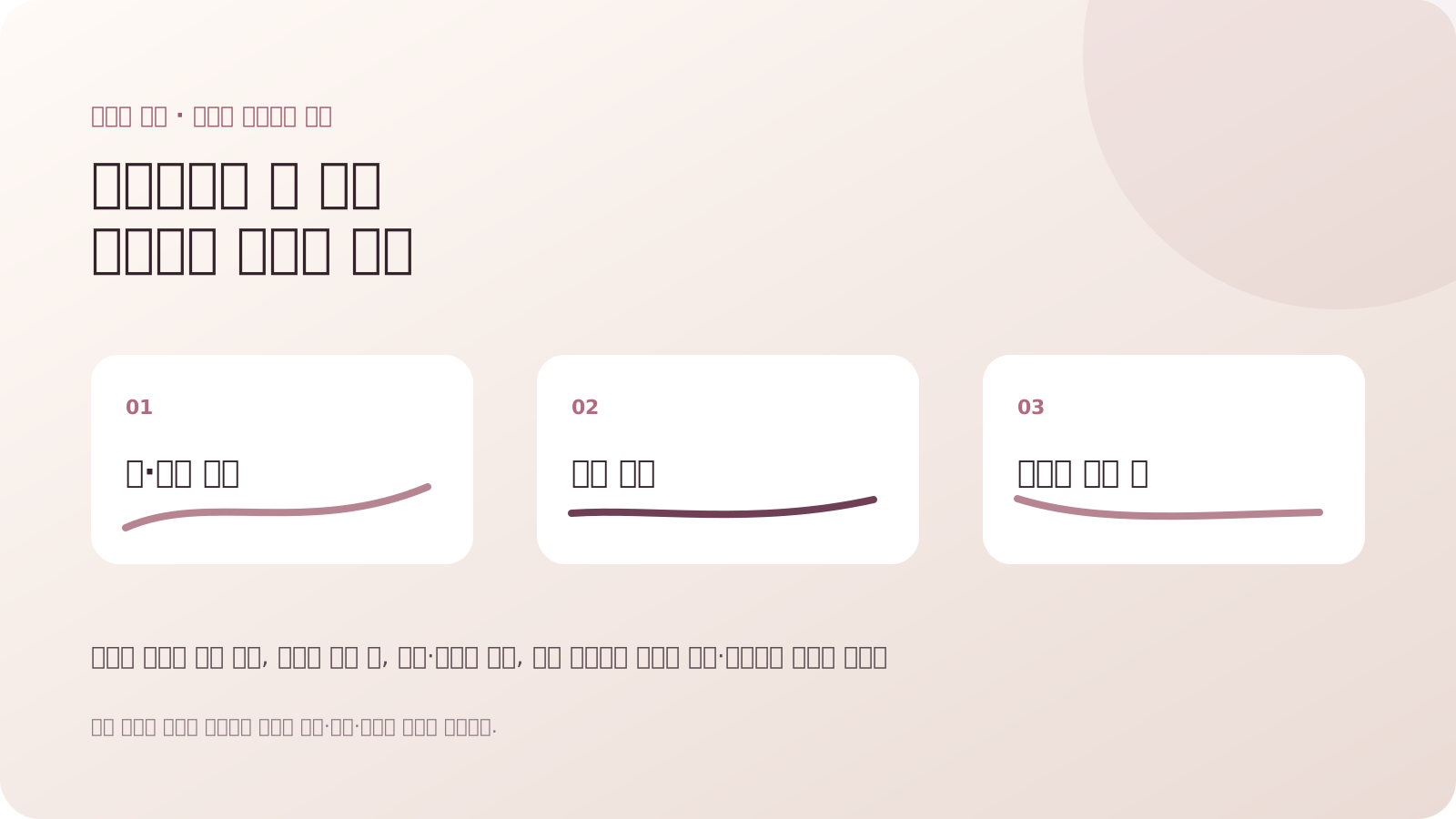
We monitor the number of recurrences confirmed by tests, days without itching, interference with sleep or sexual life, use of self-administered antifungals, and management of blood glucose and underlying diseases.
Photos show scenes of how cycles, pain, breastfeeding, and life transitions have affected daily life without revealing faces or identities. Disease tracking charts and conceptual diagrams are simplifications of differential diagnosis, examination, and progress records; they do not represent an individual's diagnosis or pregnancy/treatment results.Understanding Tests and Diagnosis
Candida vaginitis: Three things to know first
When Interpreting Test Results
Candida is not diagnosed by itching or clumpy discharge alone, but by differentiating it from other Vaginitisinfections and STIs.
When Identifying Causes and Risk Factors
If symptoms persist after treatment or recur within 2 months, tests such as microscopy or culture are considered.
When Reviewing Lifestyle Changes
During pregnancy, do not self-administer oral fluconazole and consult for treatment appropriate for pregnancy.

When irritation remains even after the fungus is confirmed and treatment is completed, we look at the axis that moves with mucosal recovery among damp-heat, damp-phlegm, dryness, or decreased vitality.
Conceptual reference · CDC: Vaginal Discharge · CDC: Bacterial VaginosisDefining the role of concurrent treatment
Integrating tests, procedures, and Korean medicine treatment within a single plan
Scheduled tests and procedure dates are shared
We do not arbitrarily change the current plan and instead record symptoms and recovery status before and after treatment.
Setting specific goals for Korean medicine treatment
After confirming Candida, evaluating the fungal species and complexity, and prioritizing antifungal treatment, we examine blood glucose, antibiotics, menstruation, and recovery conditions if mucosal irritation remains or confirmed recurrences repeat.
Review all medications in a single list
Please provide a complete list of prescription drugs, over-the-counter drugs, Korean herbal medicine, and supplements to adjust the timing and feasibility of concurrent use.
What to prepare before your visit
Please organize these three things before your visit
Results of microscopy, culture, molecular tests, fungal species, and complexity
Note the test dates and results together to track recent changes.
Antifungal medication name, route, duration, completion, and interval between recurrences
Prepare test results and a list of medications used so that the status before and after treatment can be compared.
Pregnancy, diabetes, immunosuppression, and use of antibiotics or steroids
Inform the medical staff of all prescription drugs, over-the-counter drugs, Korean herbal medicine, and supplements without omission.
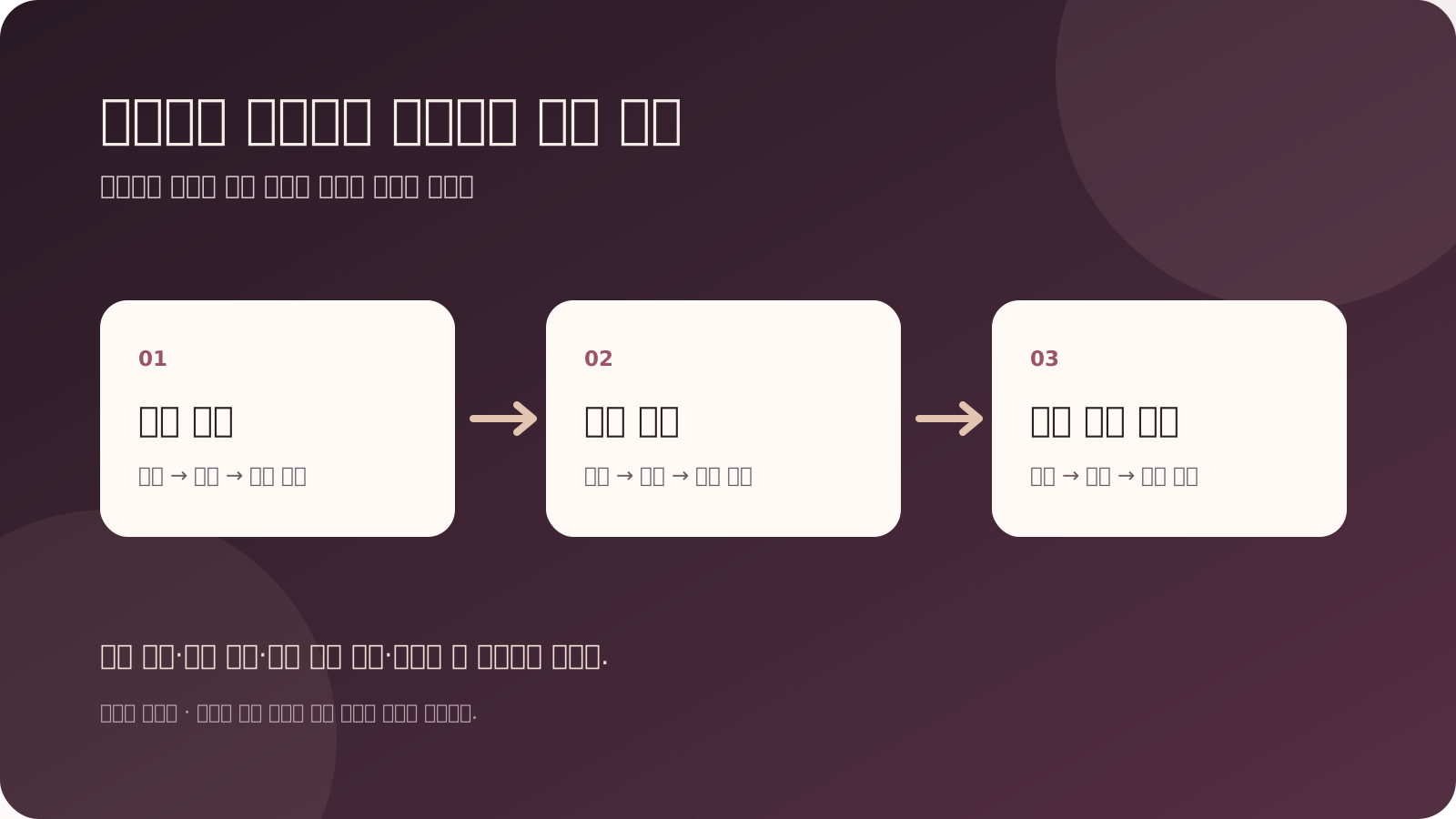
Test results, cause-specific treatment, symptom-free periods, and re-examinations are reviewed together.
Conceptual reference · CDC: Vaginal Discharge · CDC: Bacterial VaginosisChanges to monitor before and after treatment
Check again using the same categories to determine if the treatment is helpful
We review the number of recurrences confirmed by tests, days without itching, interference with sleep or sexual activity, self-administration of antifungals, and management of blood glucose and underlying diseases.
Confirmation of fungus and test results
Establish a baseline by confirming your current status during the first consultation.
Number of recurrences
Record this along with the dates when treatment or medication changed.
Days without itching
Look for consistent changes over several days rather than a single good day.

Organizing test results and treatment history chronologically helps you identify specific questions to ask during your next appointment.
When continuing the two treatments together
Four symptom combinations for prescribing Korean herbal medicine for Candida vaginitis
When irritation remains even after the fungus is confirmed and treatment is completed, we look at the axis that moves with mucosal recovery among damp-heat, damp-phlegm, dryness, and decreased vitality.
Pattern identification (Byun-jeung) is not about renaming a gynecological diagnosis. For each condition, we determine whether to center the care on Korean medicine treatment, combine it with other treatments, or prioritize treating the underlying cause first. Then, we reflect items that actually change together, such as cycle, pain, cold/heat sensations, digestion, sleep, and energy levels, into the prescription.
When severe itching and swelling occur and Candida is confirmed by tests
- Changes observed in cycles and pain
- We examine vulvar edema, fissures, discharge, and test results.
- Concurrent changes observed in the body
- We check for pregnancy, diabetes, immunosuppression, and whether the case is complex.
- Prescription Priority
- Recommended antifungal treatment is completed first.
When burning sensations, swelling, or damp discomfort remain after treatment
- Changes observed in cycles and pain
- We examine heat sensations, skin damage, and urinary irritation.
- Concurrent changes observed in the body
- We re-evaluate for persistent fungus, contact dermatitis, or other infections.
- Prescription Priority
- After re-evaluating the cause, we reduce damp-heat and mucosal irritation.
When recurrences overlap with changes in antibiotics, diet, or blood glucose
- Changes observed in cycles and pain
- We examine the interval between recurrences, bloating, fatigue, and edema.
- Concurrent changes observed in the body
- We check blood glucose levels, antibiotic use, and whether the fungus is confirmed each time.
- Prescription Priority
- We maintain management of underlying factors and adjust for dampness-phlegm (seup-dam) and digestive burden.
When dryness or slight stinging persists long after infection treatment
- Changes observed in cycles and pain
- We look for clues regarding dryness, cracking, dyspareunia (pain during intercourse), menstrual cycles, and menopause.
- Concurrent changes observed in the body
- We identify non-infectious skin or atrophic causes.
- Prescription Priority
- We prioritize mucosal recovery and avoid unnecessary repeated antifungal treatments.
Order of Prescription Adjustment
- Check for urgent medical evaluation and current treatments
Check for emergency symptoms and the timing for re-evaluation; do not arbitrarily change prescription or procedure plans.
- Select the combination of symptoms that actually recur
Rather than using the four categories as a self-diagnosis checklist, we retain only the relevant clues from medical interviews and existing tests.
- Determine the next prescription based on the same items
We re-evaluate the fungus, test results, number of recurrences, and changes in itch-free days to decide whether to maintain, adjust, or discontinue treatment.
We review pregnancy-related evaluations, tests or surgeries for structural diseases, antibacterial treatment for infections, and schedules for infertility procedures and menopause treatment to divide and coordinate the scope of Korean herbal medicine treatment. Treatment goals are tracked by specifically defining changes in pain, bleeding, sleep, energy levels, and daily functioning.
Consult about the causes of Candida recurrenceWomen's Health Glossary
Additional information regarding Candida vaginitis
You can check a brief definition before proceeding to a detailed explanation.Frequently Asked Questions
Frequently Asked Questions about Candida vaginitis
Is Candida vaginitis a sexually transmitted infection (STI)?
It is generally not viewed as an infection acquired through sexual contact, so asymptomatic partners are not routinely treated. However, if symptoms overlap with other STIs, separate testing is performed.
Can I use over-the-counter (OTC) medication that is the same as what I was prescribed before?
The cause this time may be different. If symptoms persist after using OTC medication or recur within 2 months, please seek a medical evaluation and testing rather than using the medication repeatedly.
Can I take fluconazole while pregnant?
Self-administration of oral fluconazole should be avoided during pregnancy. Please consult an OB-GYN for topical treatments recommended during pregnancy.
For Candida vaginitis, which is better: oral medication or vaginal suppositories?
For simple infections, topical or oral azoles can be used, but the choice varies depending on pregnancy, other medications, liver disease, and previous responses. Confirm the diagnosis and decide with your medical provider or pharmacist.
Can I take a single pill of fluconazole during pregnancy?
Do not self-administer oral fluconazole during pregnancy. Please consult an obstetrics and gynecology clinic regarding the 7-day topical azole treatment recommended for pregnancy.
If Candida vaginitis recurs, can it be treated with Korean herbal medicine?
Confirmed antifungal treatment continues based on an evaluation of cultures, fungal species, blood glucose, and immune status. Korean herbal medicine is used in conjunction to target recurring itchingdischargeand mucosal irritation, as well as the interval between recurrences, even after primary treatment.
When is a test for Candida vaginitis necessary?
Candida vaginitis cannot be confirmed by itching and white discharge alone. If this is the first occurrence, if symptoms persist or recur after treatment, if there is pregnancy, diabetes, or immunosuppression, or if non-albicans species are suspected, the cause and fungal species are confirmed through examination, microscopic testing, and, if necessary, culture or molecular testing.
When can Korean herbal medicine treatment be considered for Candida vaginitis?
It is possible. Share your schedule for tests, medications, and procedures, and first determine what will be addressed through Korean medicine treatment. While ensuring the timing for necessary antifungal treatment is not missed, we simultaneously address dryness, burning sensations, sleep disturbance, fatigue, poor digestion that remain after treatment, and the conditions surrounding recurrence.
What should I record before a consultation for Candida vaginitis?
It is helpful to organize the following information in chronological order: results of microscopic, culture, and molecular tests, including fungal species and complexity; the name, route, duration, and completion of antifungal agents; and the interval between recurrences; as well as pregnancy, diabetes, immunosuppression, and the use of antibiotics or steroids. Please summarize your fungal confirmation tests, antifungal history, antibiotic use, blood glucose levels, and pregnancy status.
Can I use Korean herbal medicine together with Candida vaginitis treatment?
Do not arbitrarily stop your current prescription, and please inform us of all medications and supplements you are taking. While continuing antifungal treatment to reduce incorrect repeated self-treatment, Korean herbal medicine is used in conjunction with the goal of increasing the interval between recurrences and the period without mucosal irritation.
Evidence and Update Information
This content was compiled by Korean medicine doctor Choi Yeon-seung based on the official professional materials and disease-specific clinical data below, and was updated on 2026-08-24.
- CDC: Vulvovaginal CandidiasisTesting for Candida and the distinction between uncomplicated, complicated, and recurrent cases
- CDC: Vaginal DischargeReasons why the cause of vaginitis cannot be determined by symptoms alone and the necessary tests
- CDC: Treatment of CandidiasisAntifungal-centered treatment, guidance on pre-treatment testing and medical re-evaluation in case of persistence, recurrence, or worsening
- CDC: Bacterial VaginosisDiagnosis, treatment, and considerations during pregnancy for bacterial vaginosis
- CDC: TrichomoniasisPartner treatment, re-examination, and re-infection management
- CDC: Pelvic Inflammatory DiseaseLow diagnostic threshold, antibiotics, and 72-hour re-evaluation for pelvic inflammatory disease (PID)