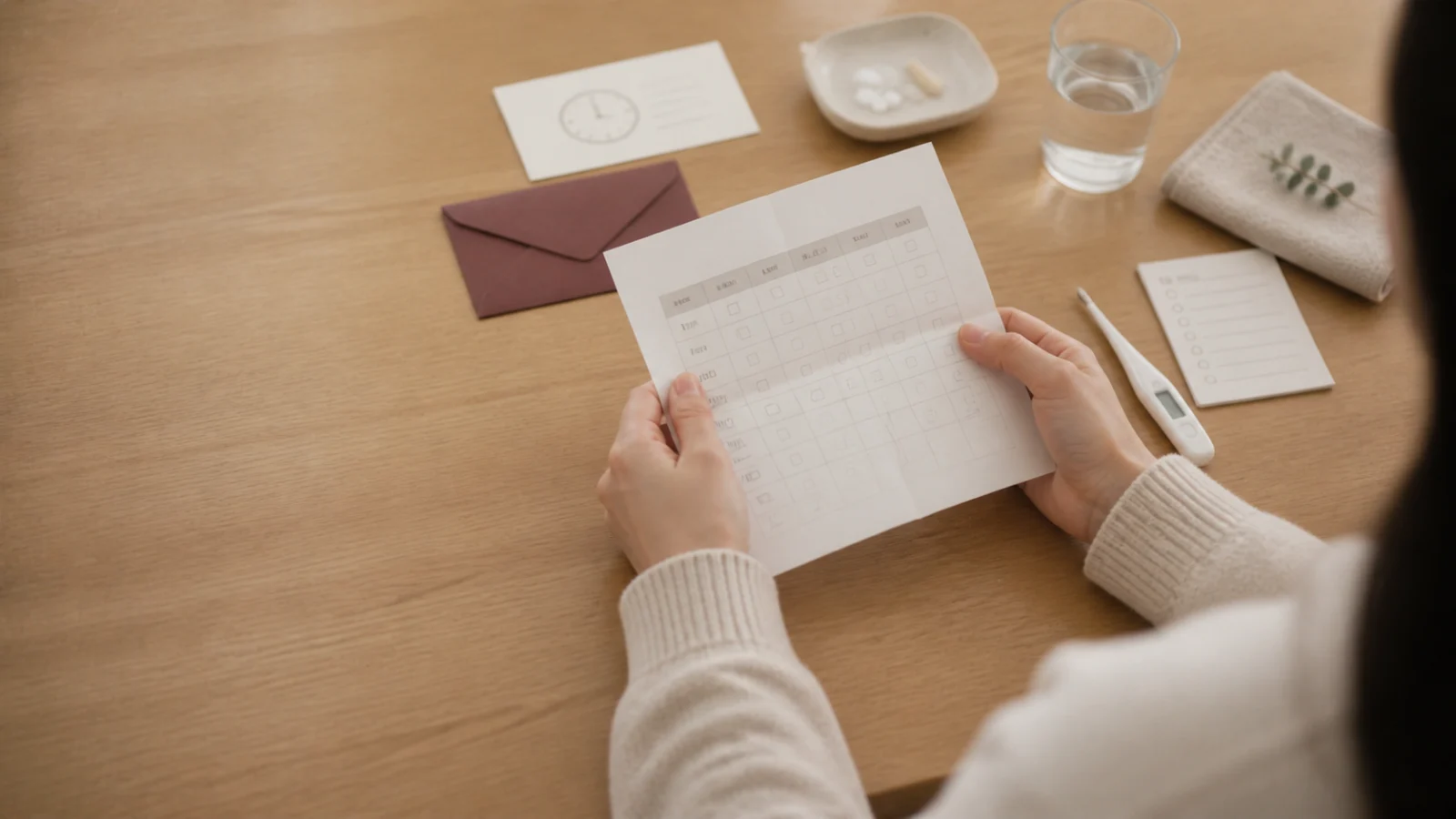
PID: Read in order of your questions
Understanding the diagnosis and test results
PID: Distinguishing between acute treatment response and remaining pelvic pain or fatigue
Pelvic Inflammatory Disease (PID)PID may present as lower abdominal or pelvic pain, vaginal discharge with changes in odor or color, pain during intercourse, bleeding between periods, painful urination, or fever, though symptoms may be mild or absent. If there is a possibility of pregnancy, severe pain on one side, a feeling of fainting, high fever, or vomiting, emergency causes such as ectopic pregnancy or severe infection must be evaluated first. If PID is suspected, treatment should begin without waiting for test results.
Active PID requires antibiotics and re-evaluation within 48 to 72 hours first; Korean medicine treatment is integrated during the recovery phase.
For PID, antibiotic treatment must start immediately, and improvement should be confirmed within 48 to 72 hours. Korean medicine treatment is integrated when pelvic discomfort or fatigue remains even after the fever and pain have subsided.
Begin with safety confirmation and treating the cause
For PID, the priority is to start antibiotics immediately and check the response within 48 to 72 hours.
Determine the scope of Korean medicine treatment during the recovery phase
We address pelvic pain, fatigue, poor sleep, and digestive burden that persist after the infection is controlled, while continuing to distinguish between re-infection and treatment failure based on changes in body temperature, pain, and discharge.
The treatment plan includes the possibility of pregnancy, preservation of fertility, partner treatment, and prevention of re-infection.
Cases requiring an OB/GYN evaluationPlease check first
Antibiotic treatment is not delayed when PID is suspected. Immediate re-evaluation is required for pregnancy, high fever, vomiting, suspected abscess, or no improvement within 72 hours.
- Possibility of pregnancy and severe pelvic pain on one side, vaginal bleeding, or a feeling of fainting
- High fever with severe lower abdominal pain or abdominal rigidity
- Inability to keep medication and water down due to repeated vomiting
- No improvement or rapid worsening within 72 hours after starting antibiotics
Surgery, procedure, or further evaluationIf there is no improvement within 72 hours or if a tubo-ovarian abscess or severe infection is suspected, hospitalization, additional tests, and consultation for drainage or surgery may be necessary.
When initially required treatment is needed
For PID, we support recovery after safety is confirmed
If pelvic inflammatory disease (PID) is suspected, the priority is to start antibiotics immediately and monitor the response within 48 to 72 hours. Once the infection has subsided, Korean herbal medicine treatment addresses the remaining pelvic pain, fatigue, and the recovery of digestion and sleep.
Observing how symptoms have disrupted your daily life
We track the date antibiotics were started and completed, changes in body temperature and pain, the cessation of sexual intercourse, and whether the partner has received treatment, organized by date.
Categorizing symptom combinations even within the same diagnosis
Prescription priorities are determined by selecting clues from medical interviews and examinations that match patterns such as acute infection priority, residual damp-heat, discharge-dominant, blood stasis, residual pain, qi and blood deficiency, or post-infection recovery.
Re-evaluating through the next cycle and lifestyle changes
We track and distinguish between the body temperature and pain response over 48 to 72 hours, completion of medication, re-examination and partner treatment, and residual pelvic pain and fatigue.
Treatment goalWithout replacing antibiotics and while adhering to early treatment and re-evaluation of the infection, we identify the scope of recovery for pain and fatigue remaining after treatment.
Consult about recovery after PID treatment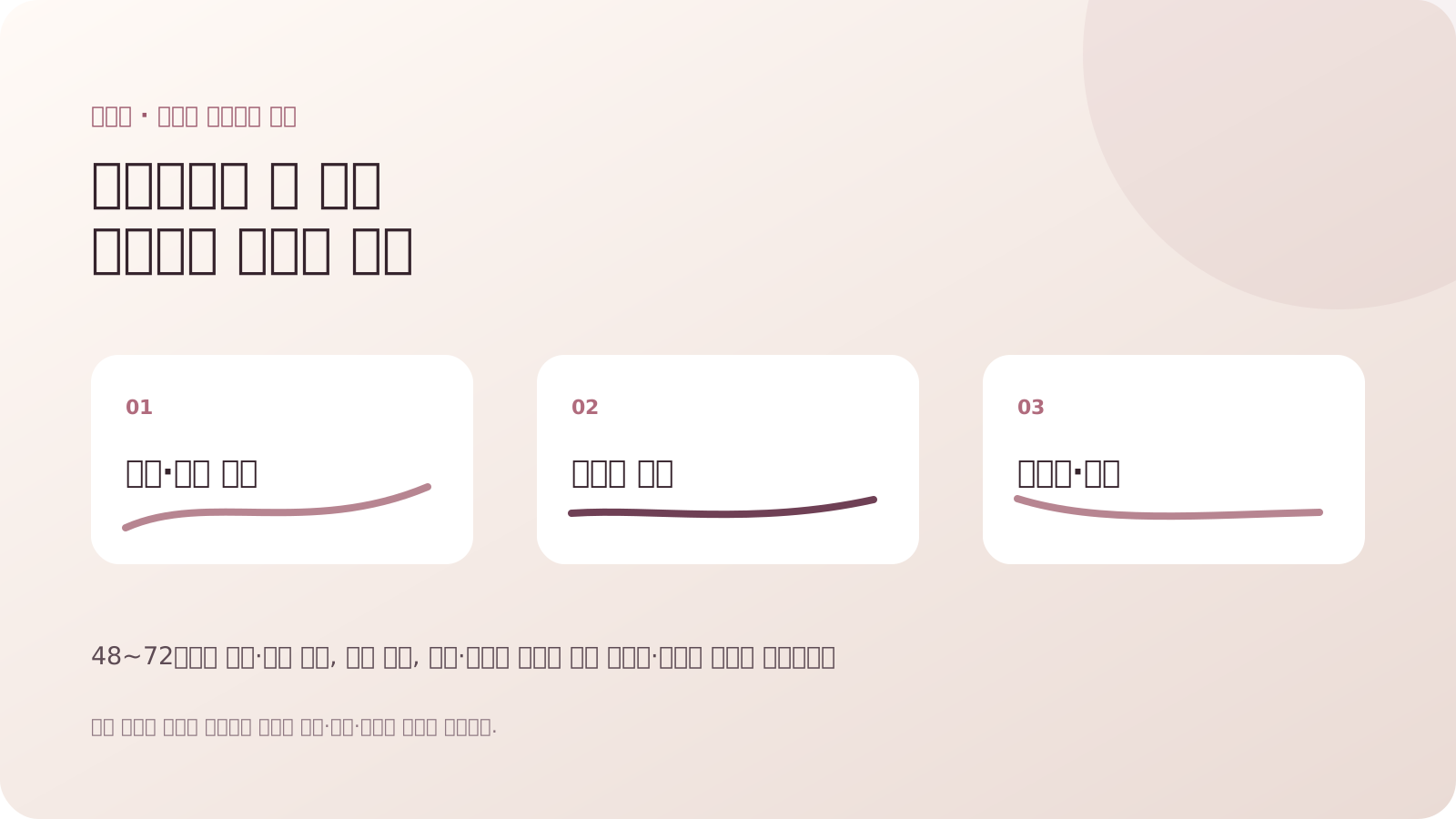
We track and distinguish between the body temperature and pain response over 48 to 72 hours, completion of medication, re-examination and partner treatment, and residual pelvic pain and fatigue.
Photos show scenes of how cycles, pain, breastfeeding, and life transitions have affected daily life without revealing faces or identities. Disease tracking charts and conceptual diagrams are simplifications of differential diagnosis, examination, and progress records; they do not represent an individual's diagnosis or pregnancy/treatment results.Understanding Tests and Diagnosis
PID: Three things to know first
When Interpreting Test Results
PID cannot be ruled out even if symptoms are mild or absent.
When Identifying Causes and Risk Factors
If pelvic pain and dischargeoverlap with abnormal bleeding or pain during intercourse, seek medical evaluation early.
When Reviewing Lifestyle Changes
Possibility of pregnancy, severe one-sided pain, fainting sensation, high fever, or vomiting must be evaluated immediately.
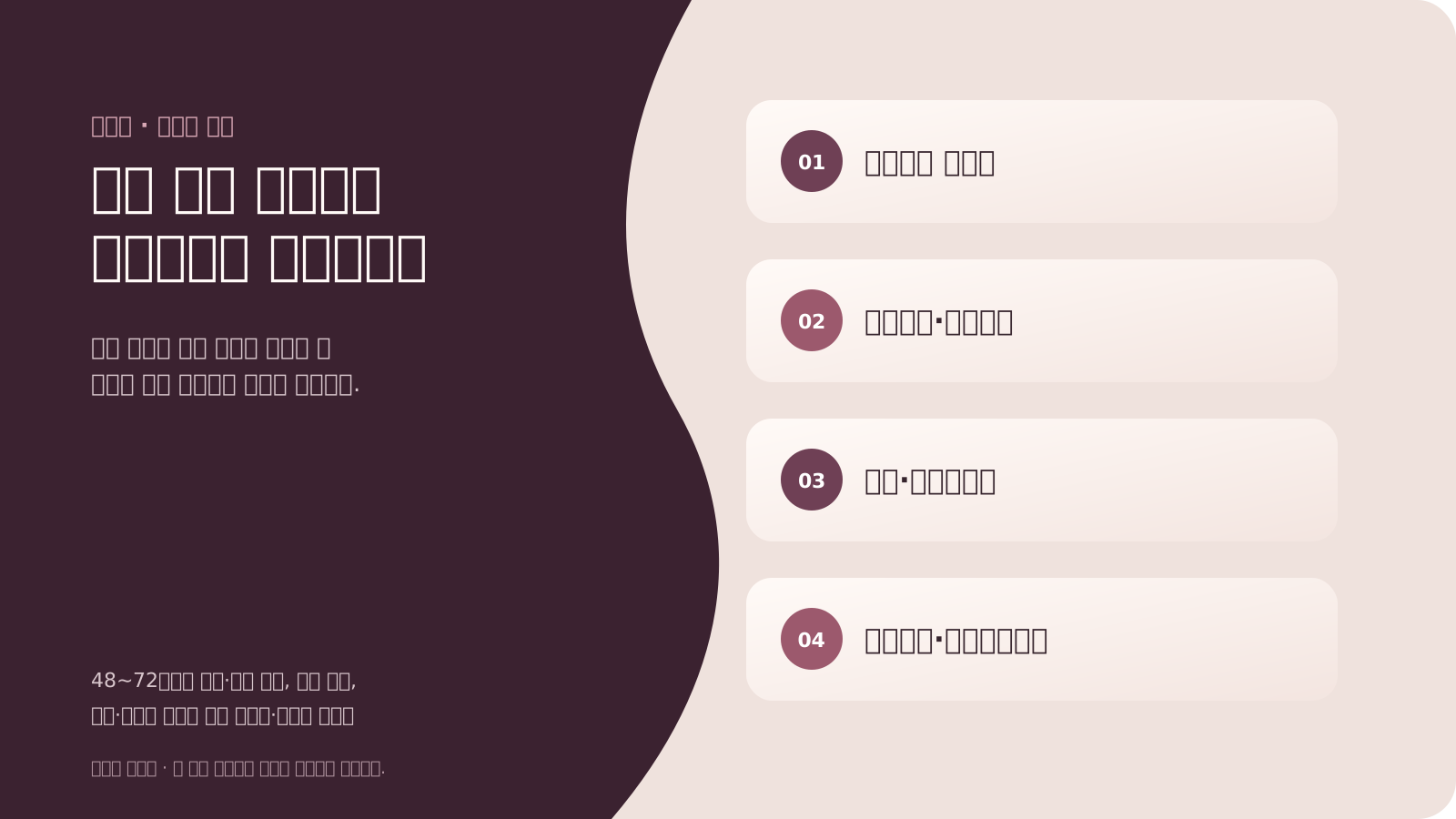
Only when discomfort remains after acute infection treatment is completed do we selectively examine factors hindering recovery, such as damp-heat, blood stasis, qi and blood deficiency, or cold sensation.
Conceptual reference · CDC: Vaginal Discharge · CDC: Bacterial VaginosisNecessary initial treatment and recovery period care
Complete the necessary primary treatment first, then continue with Korean medicine treatment during the recovery period.
Adhere to the necessary primary treatment first
Share the test, medication, and re-examination schedule set by your medical staff, and do not change them arbitrarily until the treatment response is confirmed.
The scope of Korean medicine treatment is determined after confirmation
During the acute phase, antibiotics and a re-evaluation within 48 to 72 hours take priority. Supportive recovery treatment is only considered if pelvic pain, fatigue, or poor sleep persist after treatment is completed and the infection is controlled.
Re-evaluate immediately if symptoms change
Antibiotic treatment will not be delayed when pelvic inflammatory disease is suspected. Immediate re-evaluation is required for pregnancy, high fever, vomiting, suspected abscess, or no improvement within 72 hours.
What to prepare before your visit
Please organize these three things before your visit
Dates when body temperature, pain, and discharge began, and antibiotic intake records
Note the test dates and results together to track recent changes.
Pregnancy tests, STI tests, ultrasound, presence of abscess, and re-examination plans
Prepare test results and a list of medications used so that the status before and after treatment can be compared.
Treatment for sexual partners, guidelines for sexual intercourse, and overall medication
Inform the medical staff of all prescription drugs, over-the-counter drugs, Korean herbal medicine, and supplements without omission.
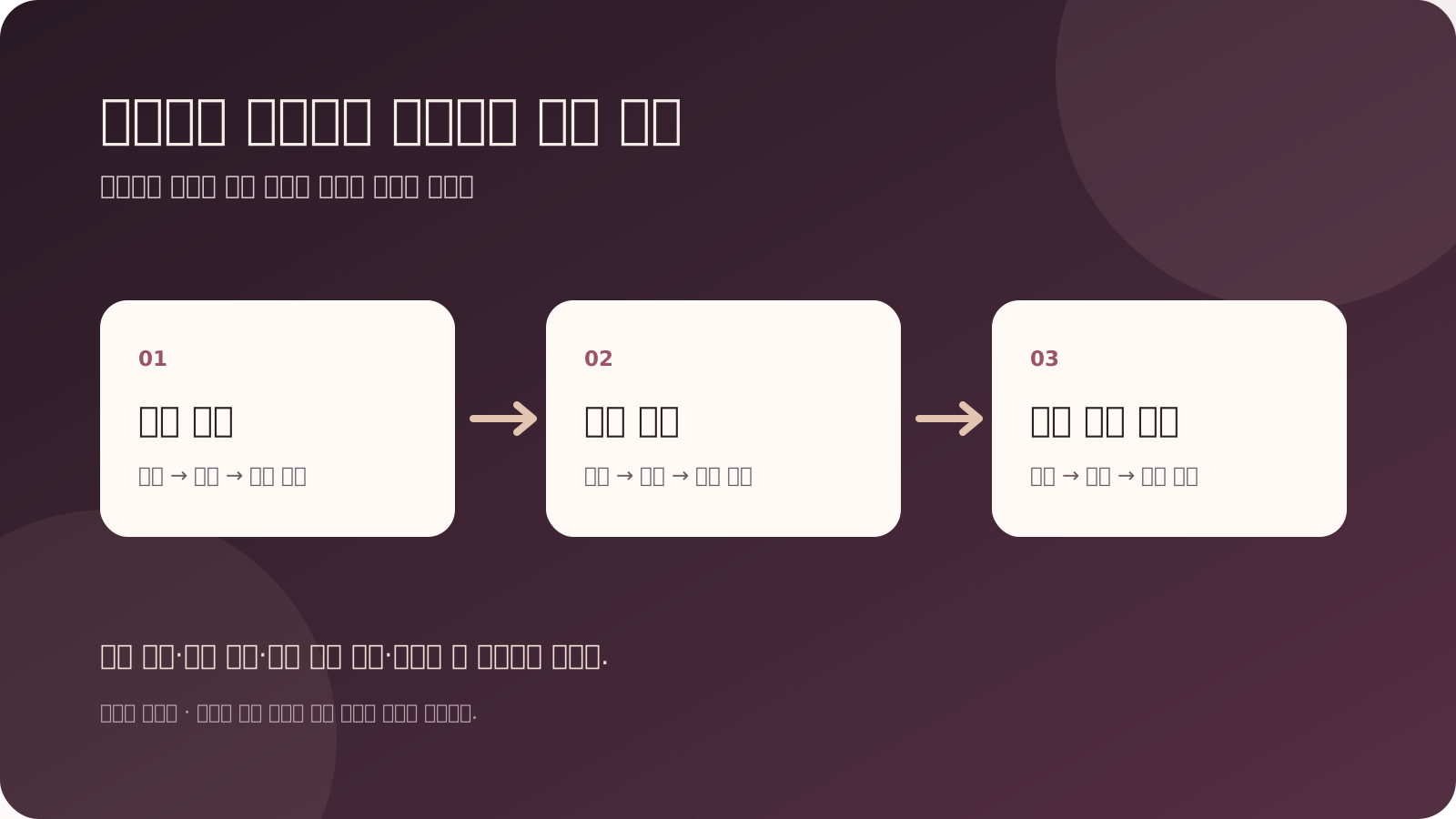
Test results, cause-specific treatment, symptom-free periods, and re-examinations are reviewed together.
Conceptual reference · CDC: Vaginal Discharge · CDC: Bacterial VaginosisChanges to monitor before and after treatment
Check again using the same categories to determine if the treatment is helpful
Track body temperature and pain responses over 48 to 72 hours, completion of medication, re-examinations, and partner treatment, while distinguishing them from residual pelvic pain and fatigue.
Body temperature and pain response
Establish a baseline by confirming your current status during the first consultation.
Antibiotic completion
Record this along with the dates when treatment or medication changed.
Partner and re-examination
Look for consistent changes over several days rather than a single good day.

Organizing test results and treatment history chronologically helps you identify specific questions to ask during your next appointment.
After completing treatment for the cause
Four symptom combinations for prescribing Korean herbal medicine for pelvic inflammatory disease
Only when discomfort remains after acute infection treatment is finished, we selectively examine factors hindering recovery among damp-heat, blood stasis, qi and blood deficiency, or cold sensation.
Pattern identification (Byun-jeung) is not about renaming a gynecological diagnosis. For each condition, we determine whether to center the care on Korean medicine treatment, combine it with other treatments, or prioritize treating the underlying cause first. Then, we reflect items that actually change together, such as cycle, pain, cold/heat sensations, digestion, sleep, and energy levels, into the prescription.
When fever, pelvic pain, dyspareunia, and foul-smelling discharge occur together
- Changes observed in cycles and pain
- We examine body temperature, cervical/pelvic tenderness, and discharge.
- Concurrent changes observed in the body
- We check for pregnancy, abscesses, vomiting, and whether antibiotics have been started.
- Prescription Priority
- Immediate antibiotics and OB/GYN follow-up are prioritized over Korean herbal medicine.
When discharge, heat sensation, or heaviness remains after treatment is completed
- Changes observed in cycles and pain
- We examine discharge, urinary discomfort, and pelvic heat sensation.
- Concurrent changes observed in the body
- We first check for re-infection, treatment failure, or missed medication.
- Prescription Priority
- After re-evaluation, we selectively manage remaining damp-heat and mucosal discomfort.
When fever has subsided but persistent pelvic pain remains
- Changes observed in cycles and pain
- We examine the location of pain and its relationship with intercourse and menstruation.
- Concurrent changes observed in the body
- We re-verify other causes such as abscesses, endometriosis, or cysts.
- Prescription Priority
- After cause evaluation, we prioritize resolving congestion and pain recovery.
When fatigue, loss of appetite, or dizziness persist after treatment
- Changes observed in cycles and pain
- We examine fatigue after activity, intake, sleep, and weight.
- Concurrent changes observed in the body
- We check for anemia, medication side effects, and symptoms that suggest the infection is persisting.
- Prescription Priority
- Supports the recovery of Qi, blood, and daily functions after completing medication.
Order of Prescription Adjustment
- Check for urgent medical evaluation and current treatments
Check for emergency symptoms and the timing for re-evaluation; do not arbitrarily change prescription or procedure plans.
- Select the combination of symptoms that actually recur
Rather than using the four categories as a self-diagnosis checklist, we retain only the relevant clues from medical interviews and existing tests.
- Determine the next prescription based on the same items
We determine whether to maintain, adjust, or discontinue treatment by re-evaluating body temperature, pain response, completion of antibiotics, partner status, and changes in re-examination results.
We review pregnancy-related evaluations, tests or surgeries for structural diseases, antibacterial treatment for infections, and schedules for infertility procedures and menopause treatment to divide and coordinate the scope of Korean herbal medicine treatment. Treatment goals are tracked by specifically defining changes in pain, bleeding, sleep, energy levels, and daily functioning.
Consult about recovery after pelvic inflammatory disease treatmentWomen's Health Glossary
Additional information regarding pelvic inflammatory disease
You can check a brief definition before proceeding to a detailed explanation.Frequently Asked Questions
Frequently Asked Questions about Pelvic Inflammatory Disease
Can it be pelvic inflammatory disease if only the discharge has changed?
It cannot be determined by changes in discharge alone. Pelvic pain, bleeding,dyspareuniapainful urination, possibility of exposure, and pelvic examinations/tests are considered comprehensively.
If the STI test is negative, does that mean it is not pelvic inflammatory disease?
A negative cervical test alone cannot completely rule out infection of the upper reproductive tract. Treatment may be necessary depending on symptoms and examination results.
When should I contact you again after taking antibiotics?
Contact the prescribing institution for re-evaluation immediately if symptoms worsen, or if there is no clear improvement within 72 hours after starting outpatient treatment.
Does pelvic inflammatory disease only occur if there is chlamydia or gonorrhea?
No. While those two infections are common causes, other bacteria in the vagina and non-sexually transmitted infections can also be causes.
If the STI test is negative, does that mean it is not pelvic inflammatory disease?
A negative cervical test alone cannot completely rule out infection of the upper reproductive tract. Symptoms, pelvic examinations, and necessary tests are considered comprehensively.
Can an intrauterine device (IUD) cause pelvic inflammatory disease (PID)?
It is difficult to determine that the use of the device itself is the sole cause. Since the slight increase in related risk is mainly limited to immediately after insertion, please inform your medical provider of the insertion date and the date your symptoms began.
What are the first steps in testing for pelvic inflammatory disease (PID)?
The process begins with questions about symptoms, sexual history, and the possibility of pregnancy, followed by an abdominal and pelvic examination. Then, vaginal and cervical swabs, pregnancy tests, blood tests, and urine tests are selected based on the situation.
When can Korean herbal medicine treatment be considered for pelvic inflammatory disease (PID)?
For this condition, confirming safety and treating the cause come first. Once the infection is controlled, Korean herbal medicine can address remaining pelvic pain, fatigue, poor sleep, and digestive burden, while continuing to distinguish between re-infection and treatment failure through changes in body temperature, pain, and discharge.
What should I record before a consultation for pelvic inflammatory disease (PID)?
It is helpful to organize the following information chronologically: the dates when body temperature, pain, and discharge began; records of antibiotic use; pregnancy tests, STI tests, ultrasound results, presence of abscesses and re-examination plans; partner treatment, sexual intercourse guidelines, and all medications taken. Please first provide the antibiotic start date, symptom changes over 72 hours, and the plan for testing and partner treatment.
Can I use Korean herbal medicine together with treatment for pelvic inflammatory disease (PID)?
Do not stop your current prescriptions arbitrarily, and please disclose all medications and supplements you are taking. Without replacing antibiotics and while adhering to early treatment and re-evaluation of the infection, we identify the scope of recovery for pain and fatigue remaining after treatment.
Evidence and Update Information
This content was compiled by Korean medicine doctor Choi Yeon-seung based on the official professional materials and disease-specific clinical data below, and was updated on 2026-08-24.
- CDC - About Pelvic Inflammatory DiseaseOfficial evidence explaining the mild or non-specific symptoms of pelvic inflammatory disease (PID), complications, and the necessity of prompt medical evaluation.
- CDC: Pelvic Inflammatory DiseaseLow diagnostic threshold, antibiotics, and 72-hour re-evaluation for pelvic inflammatory disease (PID)
- NHS: Pelvic inflammatory diseasePatient guidance evidence that infections spreading from the vagina and cervix to the upper reproductive tract can be caused by STIs and common vaginal bacteria
- RCOG: Pelvic Inflammatory DiseaseSexual history, internal examination, vaginal and cervical swabs, and blood, urine, pregnancy, HIV, and transvaginal ultrasound tests
- CDC: Vaginal DischargeReasons why the cause of vaginitis cannot be determined by symptoms alone and the necessary tests
- CDC: Bacterial VaginosisDiagnosis, treatment, and considerations during pregnancy for bacterial vaginosis
- CDC: Vulvovaginal CandidiasisTesting for Candida and the distinction between uncomplicated, complicated, and recurrent cases
- CDC: TrichomoniasisPartner treatment, re-examination, and re-infection management