Recurrent Vaginitis
When vaginitis keeps recurring, is it always the same cause?
For recurrent vaginitis, the confirmed cause each time and the duration of symptom-free periods are more important than the number of times medication is changed. We also explain the systemic conditions and mucosal recovery addressed by Korean herbal medicine treatment following the treatment of the cause.
Even if itching and discharge recur, it cannot be assumed that it is the same VaginitisIt cannot be definitively concluded. To break the cycle of recurrence, it is necessary to distinguish whether it is an actual reinfection, residual mucosal irritation after treatment, a different organism, or a non-infectious cause.
The feeling of 'vaginitis again' may be different from a recurrence caused by the same original cause.
Itching similar to last time and dischargeand similar to last time, it is difficult to determine by symptoms alone whether the current cause is candidiasis, bacterial vaginosis, cervicitis, contact irritation, or mucosal dryness. If you use the same vaginal suppositories or over-the-counter medicines every time, the symptoms may subside temporarily, but the actual cause may remain.
Checking whether the cause was confirmed through microscopy, culture, or molecular tests, and whether there was a period where symptoms completely disappeared after treatment, helps distinguish between re-infection and incomplete recovery. If burning sensations persist despite tests showing no infection, non-infectious causes are re-examined.
For recurrent candidiasis, both the fungal species and the response to treatment must be verified.
Symptomatic Candidiasisrepeat three or more times in one year, it is evaluated as recurrent candidal vulvovaginitis. Frequent antibiotic use, diabetes, and immune status can be factors, but in many cases, a clear cause is not found.
As recurrences increase, it becomes more important to confirm Candida through culture or PCR and check if it is a non-albicans species. If discomfort persists after completing treatment or if results remain positive during maintenance therapy, susceptibility testing and professional treatment adjustment may be necessary.
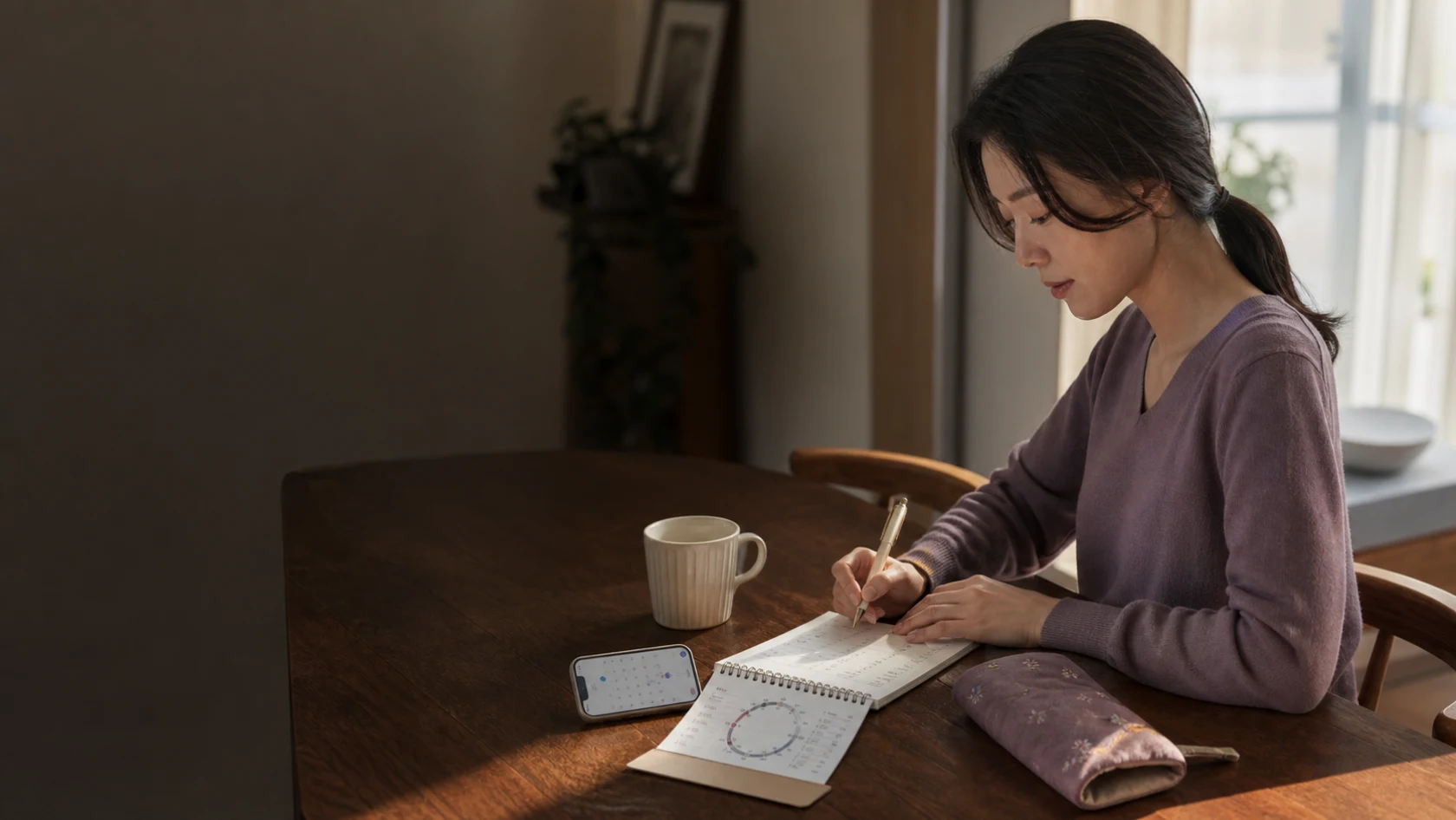
Record not only the start date but also the amount of bleeding, pain, medication, and impact on daily life using the same criteria.
There are reasons for patterns that repeat after menstruation, antibiotic use, or sexual activity.
The conditions that trigger recurrence vary depending on whether odor and discharge worsen immediately after menstruation, whether itching begins after taking antibiotics, or whether irritation lasts long after sexual activity. Blood sugar control, pregnancy, and medications that lower immunity can also affect the response to treatment.
Habits such as frequently washing inside the vagina or using strongly scented cleansers can further irritate the mucosa. While some people find that non-breathable clothing and humid conditions worsen discomfort, not all recurrences should be attributed to hygiene. It is necessary to secure both treatment based on a confirmed cause and time for the mucosa to recover.
Korean medicine focuses on the difference in cold-heat balance and mucosal recovery rather than just the name of the recurrence.
Baekrokdam first continues the treatment of the cause during the period when infection was confirmed. Korean herbal medicine prescriptions are adjusted based on whether heat, odor, or stinging remains after treatment; whether watery discharge repeats amidst lower abdominal coldness and fatigue; or whether mucosal recovery is delayed due to digestive failure after antibiotic use.
When tests are negative but dryness and dyspareuniairritation persist for a long time, treatment focuses on fluid replenishment, mucosal recovery, and pelvic tension rather than continuing to chase the infection. Acupuncture is used in combination when tension and pain around the lower abdomen and pelvis are present, and the axis of treatment is determined according to the actual pattern of recurrence instead of simply repeating the same medicine.
The goal of treatment is to increase the intervals without symptoms and improve daily comfort.
Recovery is not complete just because the amount of discharge has temporarily decreased. Real change is measured by whether you no longer wake up due to itching, whether irritation does not linger after menstruation or sexual activity, and whether the interval between seeking self-medication becomes longer.
The next Korean herbal medicine prescription varies depending on what remains after cause-specific treatment. By observing whether dryness remains even after the odor is gone, or whether premenstrual fatigue and digestive discomfort accelerate recurrence even after the mucosa has improved, we maintain the parts that have improved first and then address the areas where recovery is slower.
Even if the interval between recurrences lengthens, the cause is re-verified if new discomfort arises. Stable management involves continuing only the necessary treatment after reviewing the infection status, mucosal condition, and any newly changed medications or lifestyle conditions, rather than automatically repeating the previous prescription.
When vaginitis recurs, rather than simply reusing the same medication, it is important to distinguish between the confirmed cause each time and the remaining mucosal discomfort after treatment. After treating the cause, Baekrokdam addresses recurrence conditions involving cold-heat imbalance, mucosal recovery, sleep, and digestion through Korean herbal medicine and acupuncture.
Evidence and Update Information
This content was compiled by Korean medicine doctor Choi Yeon-seung and updated on 2026-08-31.
- CDC: Vulvovaginal CandidiasisTesting for Candida and the distinction between uncomplicated, complicated, and recurrent cases
- CDC: Bacterial VaginosisDiagnosis, treatment, and considerations during pregnancy for bacterial vaginosis
- CDC: Vaginal DischargeReasons why the cause of vaginitis cannot be determined by symptoms alone and the necessary tests
- CDC: TrichomoniasisPartner treatment, re-examination, and re-infection management
- CDC: Pelvic Inflammatory DiseaseLow diagnostic threshold, antibiotics, and 72-hour re-evaluation for pelvic inflammatory disease (PID)