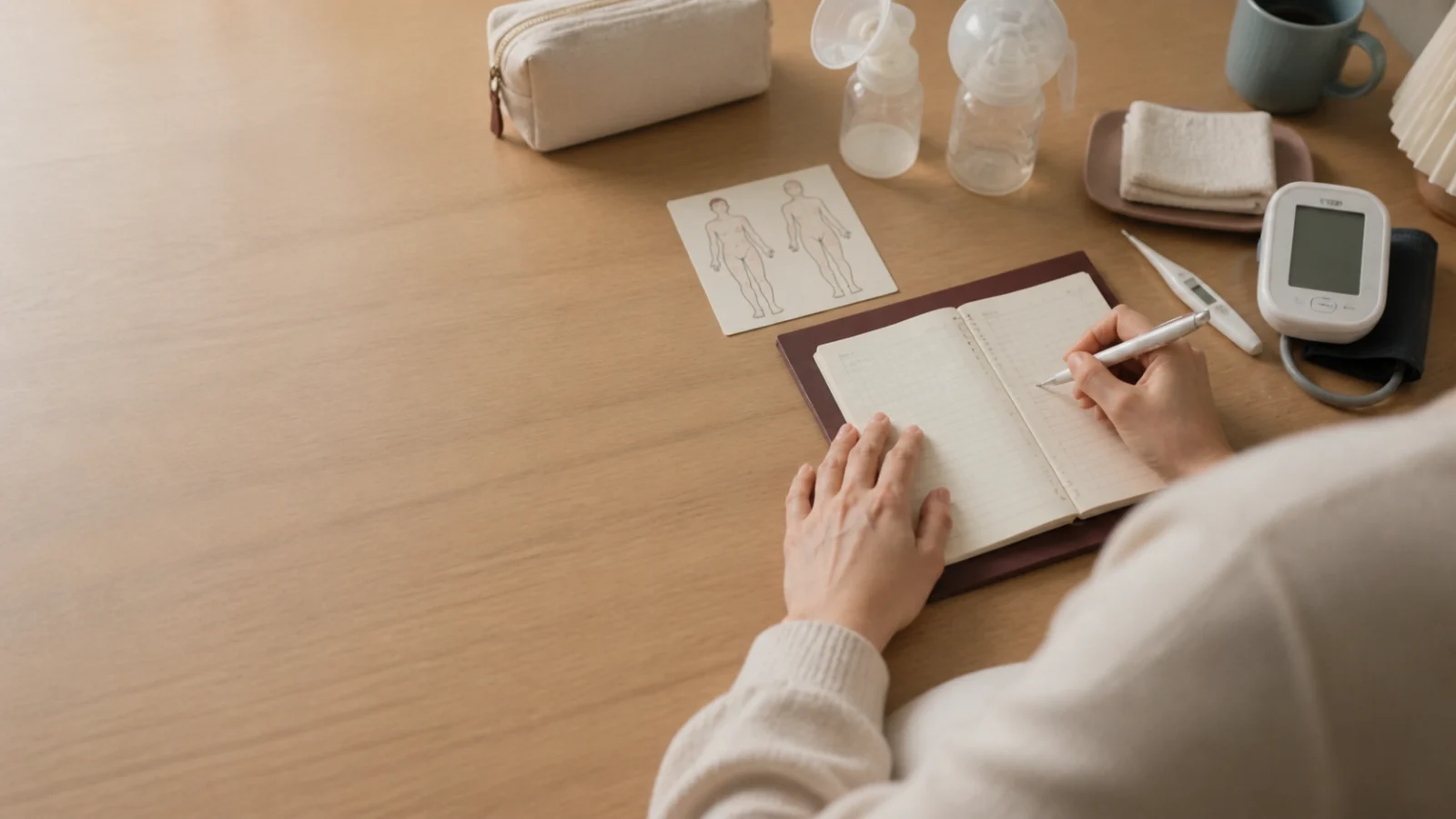
Postpartum wind: Read in order of curiosity
Understanding the diagnosis and test results
Postpartum wind: We first check for postpartum risks and then ask about recovery in daily life
Postpartum wind is not a single internationally established disease name, but rather a term used to group various discomforts after childbirth, such as joint pain, feeling cold, chills, fatigue, and night sweats. While these may be part of the recovery process, muscle strain, or sleep deprivation due to childbirth and breastfeeding, fever and foul-smelling dischargedischarge may indicate infection; swelling and pain in one leg may indicate a blood clot; throbbing followed by severe fatigue and constipation may indicate postpartum thyroiditis; and if feelings of depression persist and daily life becomes difficult, postpartum depression must be checked. Please record the location and onset of symptoms along with body temperature, bleeding, and mood changes. If warning signs are present, prioritize an OB-GYN or emergency evaluation over herbal medicine treatment.
If there are no symptoms that require immediate priority check, we use Korean medicine treatment to help recover from pain, cold sensations, lack of energy, and actual caregiving functions.
While it may be necessary to verify other causes, Korean medicine treatment does not only begin after all gynecological treatments are completed.
you can start with a focus on Korean medicine treatment
After reviewing the delivery method, bleeding, and breastfeeding progress, we treat wrist, back, and pelvic pain, cold sensations, sleep deprivation, and decreased digestion or energy, as well as their impact on baby care.
we connect tests and medication treatment at the appropriate time
If rehabilitation, mental health, or breastfeeding support is needed, we will provide referrals; Korean medicine treatment will handle the recovery of pain, cold sensations, sleep, digestion, energy, and caregiving functions.
We take into account the delivery method, amount of bleeding, breastfeeding plans, future pregnancy plans, and the mother's caregiving environment.
Other medical evaluations are necessary if these changes occurCheck when applicable
Severe headache, vision changes, high blood pressure, chest pain, shortness of breath, swelling in one leg, high fever, foul-smelling lochia, heavy bleeding, or thoughts of self-harm require an immediate postpartum evaluation first.
- In case of sudden or very heavy vaginal bleeding with large blood clots, feeling of fainting, or rapid pulse
- In case of fever over 38 degrees, chills, lower abdominal pain, foul-smelling discharge, or worsening of wounds
- In case of pain, swelling, or redness in one calf, or sudden chest pain and shortness of breath
- In case of severe headache, vision changes, pain in the pit of the stomach, high blood pressure, or seizures
- In case of hallucinations, delusions, severe confusion, or thoughts of harming yourself or the baby
Surgery, procedure, or further evaluationDepending on the cause, such as retained placenta, infection, hematoma, or wound issues, procedures or surgery may be necessary, so new bleeding, fever, or localized pain will be re-evaluated.
Why consider Korean medicine treatment
Postpartum wind: We set clear treatment goals first
Delivery method, bleeding, andAnemia, we first check thyroid function and mood. Rather than using the single term 'Sanhu-pung' (postpartum wind syndrome), we set recovery goals by observing how pain, cold sensitivity, sweating, sleep, and energy levels interfere with daily life.
Observing how symptoms have disrupted your daily life
We record the date of birth, delivery method, and the progress of bleeding, surgery, and breastfeeding, and check how pain, sleep, and mood have actually affected caregiving.
Categorizing symptom combinations even within the same diagnosis
We determine the priority of the prescription by selecting clues from the following that match the actual medical interview and examination: Qi and Blood Deficiency, Exhaustion type, Blood Stasis stagnation, Localized Pain type, Wind-Cold-Damp Bi (blockage), Joint Coldness type, Liver Qi Stagnation, or Sleep Tension type.
Re-evaluating through the next cycle and lifestyle changes
We monitor breastfeeding, holding the baby, walking, using stairs, sleep, the area of pain and recovery time, as well as the safety of bleeding, body temperature, blood pressure, and mood.
Treatment goalInstead of grouping all symptoms under the name 'Sanhu-pung', we screen for risks first and then restore actual caregiving function, sleep, pain levels, and energy.
Consult about postpartum recovery function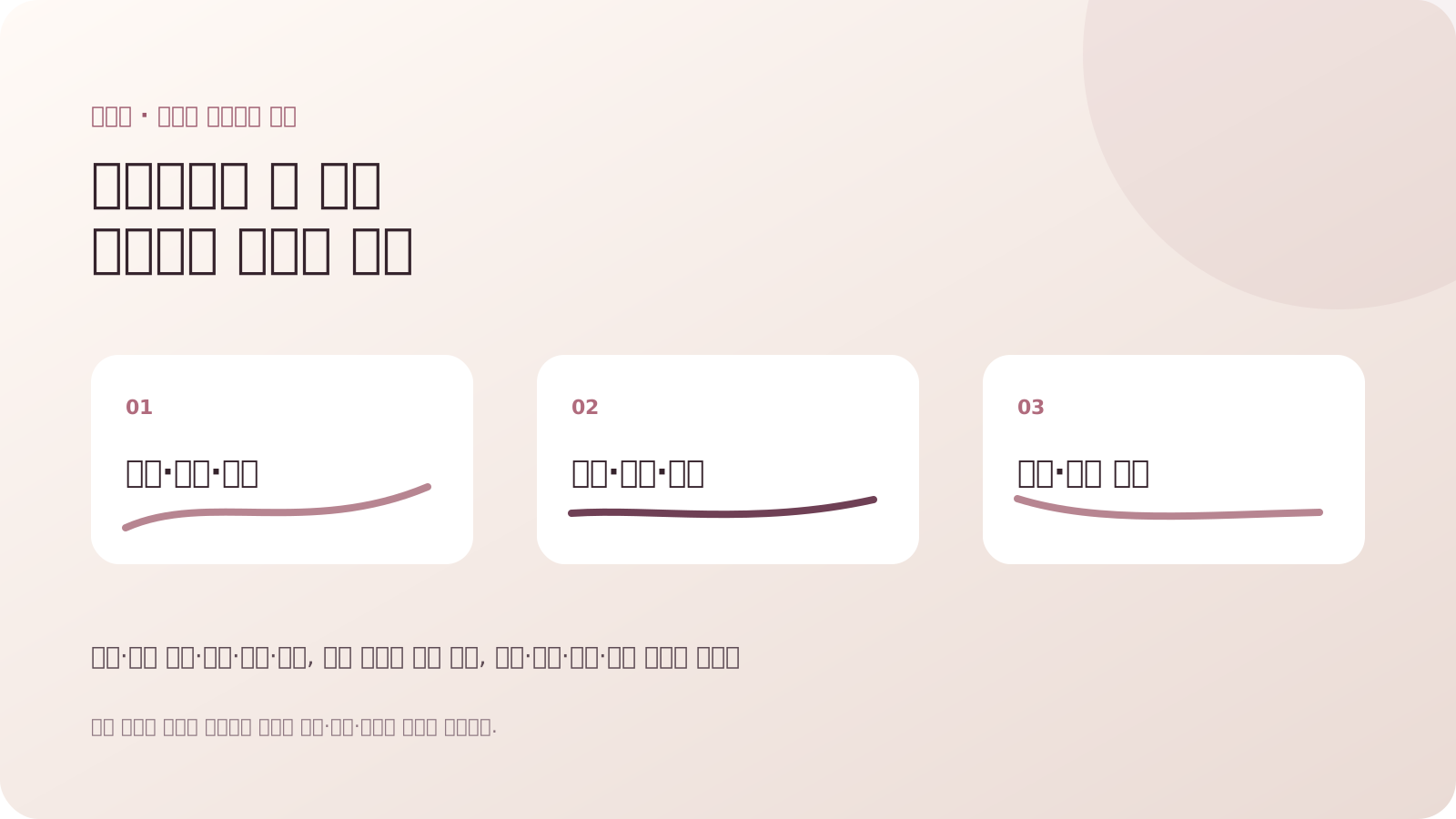
We monitor breastfeeding, holding the baby, walking, using stairs, sleep, the area of pain and recovery time, as well as the safety of bleeding, body temperature, blood pressure, and mood.
Photos show scenes of how cycles, pain, breastfeeding, and life transitions have affected daily life without revealing faces or identities. Disease tracking charts and conceptual diagrams are simplifications of differential diagnosis, examination, and progress records; they do not represent an individual's diagnosis or pregnancy/treatment results.Understanding Tests and Diagnosis
Sanhu-pung: Three things to know first
When Interpreting Test Results
Since Sanhu-pung is not a single definitive diagnosis, we identify and check the causes for each symptom separately.
When Identifying Causes and Risk Factors
Please record body temperature, bleeding, swelling in one leg, palpitations, and mood changes together.
When Reviewing Lifestyle Changes
Standard medical care takes priority for warning signs of excessive bleeding, dyspnea, thrombosis, infection, or mental health crises.
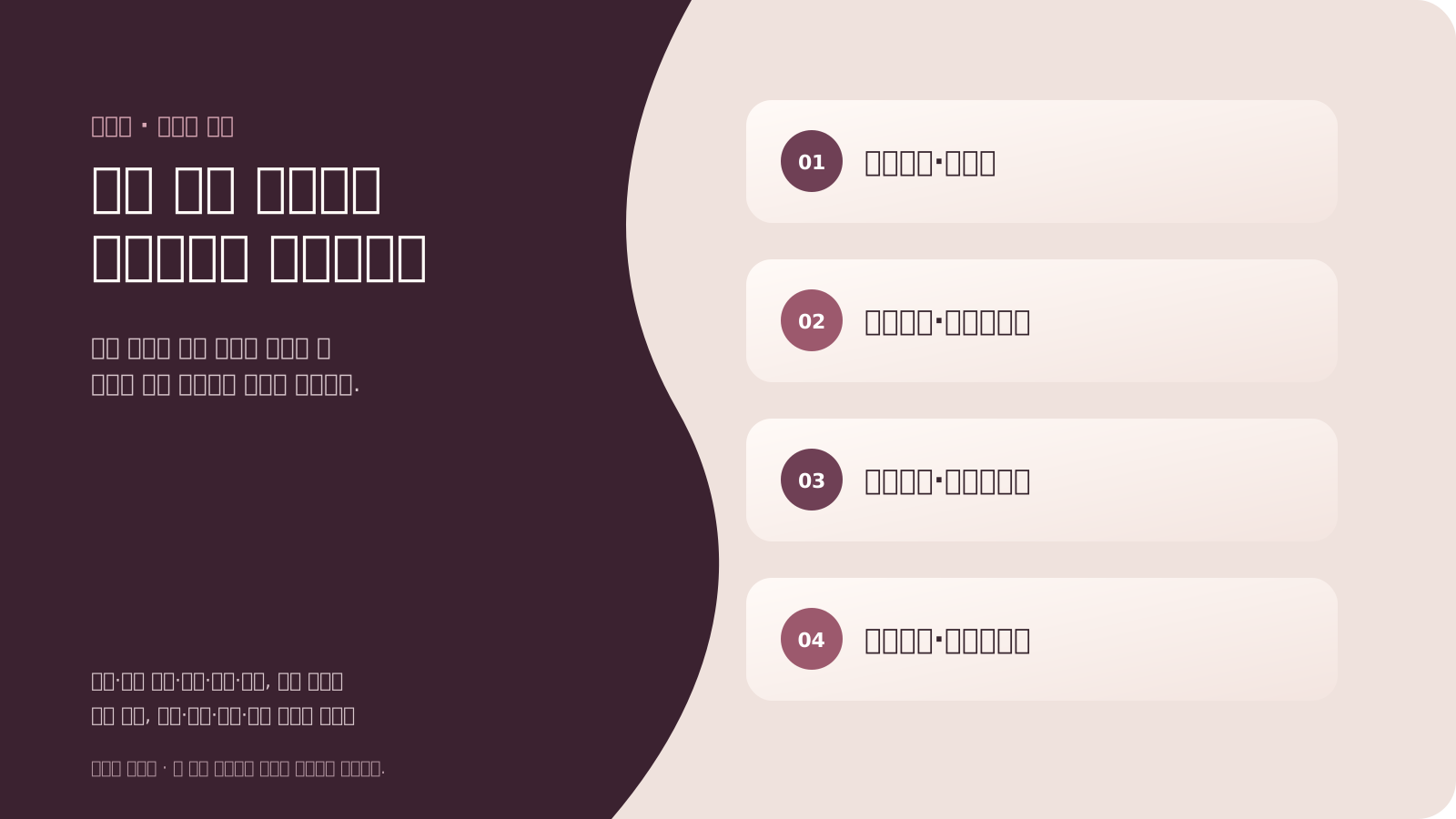
While maintaining evaluations for postpartum risk factors, orthopedic issues, thyroid function, anemia, and mental health, we identify which axis, Qi and Blood Deficiency, Blood Stasis, Wind-Cold-Damp, or Liver Qi Stagnation, is hindering recovery.
Conceptual reference · ACOG: Having a Baby: Postpartum Care · ACOG: Breastfeeding ChallengesStarting and Adjusting Korean Medicine Treatment
Korean medicine treatment is adjusted according to symptom combinations and changes in the next cycle
Before starting, record your current state
The criteria for summarizing your current status are the dates of childbirth, surgery, bleeding, and blood transfusion, as well as lochia· changes in blood pressure and body temperature. We re-verify pain, cycles, and lifestyle inconveniences under the same categories.
Even with the same diagnosis, symptom combinations differ
We determine the proportion of the prescription by finding the combination that actually recurs among the following: widespread body pain and significant loss of energy following bleeding or lack of sleep / stabbing pain in one area and changes in lochia after surgery or delivery / coldness in the wrists, knees, or lower back with increased pain on humid days / increased pain and chest tightness following caregiving tension and lack of sleep.
Re-verify in the next cycle
After treatment, recovery items such as bleeding, body temperature, blood pressure, holding the baby, walking, climbing stairs, sleep, and pain are recorded in the same manner to maintain or adjust the prescription.
What to prepare before your visit
Please organize these three things before your visit
Dates of childbirth, surgery, bleeding, and blood transfusion, and changes in lochia, blood pressure, and body temperature
Note the test dates and results together to track recent changes.
Pain areas and the impact on breastfeeding, holding the baby, walking, and sleep
Prepare test results and a list of medications used so that the status before and after treatment can be compared.
Breastfeeding status, prescribed medications, painkillers, Korean herbal medicine, supplements, and mood, thyroid, and anemia tests
Inform the medical staff of all prescription drugs, over-the-counter drugs, Korean herbal medicine, and supplements without omission.
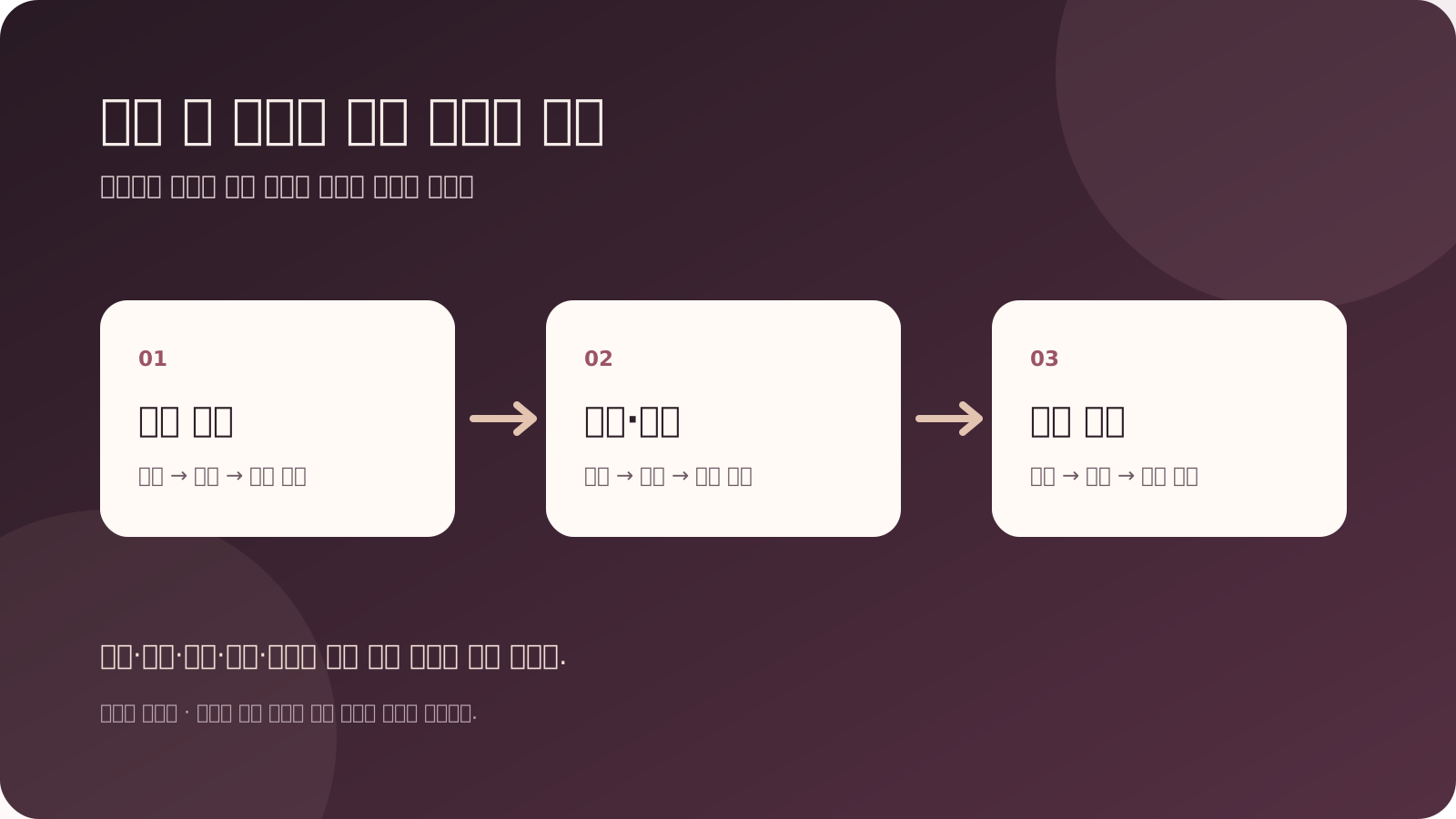
Bleeding, body temperature, blood pressure, breastfeeding, and pain are checked alongside actual caregiving functions.
Conceptual reference · ACOG: Having a Baby: Postpartum Care · ACOG: Breastfeeding ChallengesChanges to monitor before and after treatment
Check again using the same categories to determine if the treatment is helpful
Breastfeeding, holding the baby, walking, climbing stairs, sleep, pain areas and recovery time, and the safety of bleeding, body temperature, blood pressure, and mood are monitored.
Bleeding, Body Temperature, Blood Pressure
Establish a baseline by confirming your current status during the first consultation.
Holding the Baby, Walking, Climbing Stairs
Record this along with the dates when treatment or medication changed.
Sleep and Pain Recovery
Look for consistent changes over several days rather than a single good day.
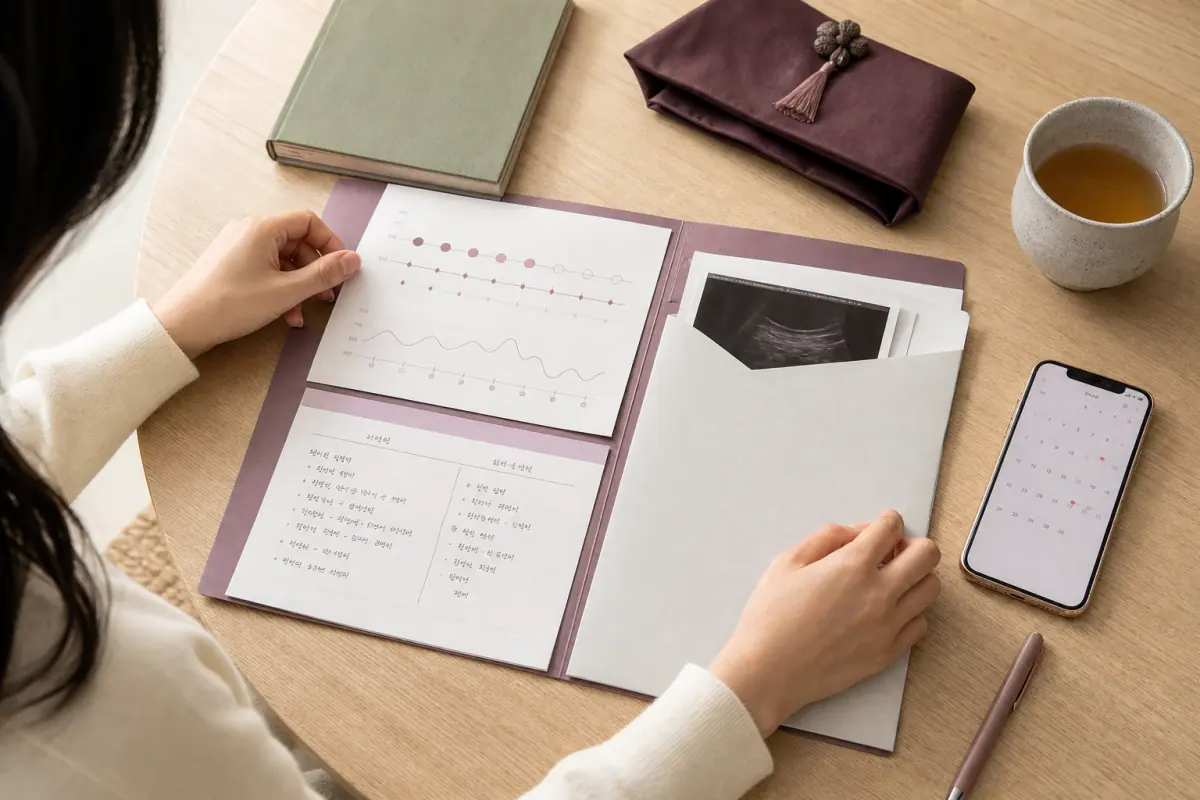
Organizing test results and treatment history chronologically helps you identify specific questions to ask during your next appointment.
If starting Korean medicine treatment
Postpartum wind: Four symptom combinations for Korean herbal medicine prescriptions
While maintaining evaluations for postpartum risk factors and orthopedic, thyroid, anemia, and mental health, we identify the axis hindering recovery among deficiency of Qi and Blood, blood stasis, wind-cold-dampness, and liver stagnation.
Pattern identification (Byun-jeung) is not about renaming a gynecological diagnosis. For each condition, we determine whether to center the care on Korean medicine treatment, combine it with other treatments, or prioritize treating the underlying cause first. Then, we reflect items that actually change together, such as cycle, pain, cold/heat sensations, digestion, sleep, and energy levels, into the prescription.
When there is significant whole-body pain and loss of energy following bleeding or lack of sleep
- Changes observed in cycles and pain
- Pallor, dizziness, cold sweats, and recovery after activity are monitored.
- Concurrent changes observed in the body
- Anemia, thyroid function, infection, and depression are checked first.
- Prescription Priority
- After the safety evaluation, priority is given to the recovery of Qi, Blood, and caregiving functions.
When there is stabbing pain in one area and changes in lochia after surgery or childbirth
- Changes observed in cycles and pain
- We examine pain in the pelvis, lower abdomen, or incision site, as well as lochia.
- Concurrent changes observed in the body
- We check for postpartum causes such as infection, hematoma, or retained placenta.
- Prescription Priority
- Following a medical evaluation, we adjust for congestion and the burden of localized recovery.
When wrists, knees, or the lower back feel cold and pain worsens on humid days
- Changes observed in cycles and pain
- We examine joint location, coldness, swelling, and limitations in movement.
- Concurrent changes observed in the body
- We check for carpal tunnel syndrome, thyroid issues, or inflammatory joint diseases.
- Prescription Priority
- While maintaining treatment for the cause and adjusting posture and load, we monitor coldness and pain.
When pain and chest tightness increase following caregiving stress and lack of sleep
- Changes observed in cycles and pain
- We examine anxiety, heart rate, tension in the solar plexus, sleep, and pain.
- Concurrent changes observed in the body
- We first evaluate postpartum depression, anxiety, and crisis symptoms.
- Prescription Priority
- While maintaining mental health support, we assist in the recovery of tension, sleep, and pain.
Order of Prescription Adjustment
- Check for urgent medical evaluation and current treatments
Check for emergency symptoms and the timing for re-evaluation; do not arbitrarily change prescription or procedure plans.
- Select the combination of symptoms that actually recur
Rather than using the four categories as a self-diagnosis checklist, we retain only the relevant clues from medical interviews and existing tests.
- Determine the next prescription based on the same items
We re-verify changes in bleeding, body temperature, blood pressure, eye comfort, walking, climbing stairs, sleep, and pain recovery to determine whether to maintain, adjust, or stop treatment.
We review pregnancy-related evaluations, tests or surgeries for structural diseases, antibacterial treatment for infections, and schedules for infertility procedures and menopause treatment to divide and coordinate the scope of Korean herbal medicine treatment. Treatment goals are tracked by specifically defining changes in pain, bleeding, sleep, energy levels, and daily functioning.
Consult via Postpartum Recovery FunctionWomen's Health Glossary
Additional Information on Postpartum Wind (Sanhu-pung)
You can check a brief definition before proceeding to a detailed explanation.Frequently Asked Questions
Frequently Asked Questions about Sanhupung (Postpartum Wind Syndrome)
Can Sanhupung symptoms be confirmed through a test?
Sanhupung is not a single standard diagnostic name, so there is no single confirmatory test. Depending on the symptoms, blood tests, thyroid function tests, and evaluations for infection, bleeding, thrombosis, or mental health are selected.
If my wrists and knees feel cold after childbirth, is it all Sanhupung?
While this can occur due to repetitive postures and muscle strain, if swelling, redness, muscle weakness, or numbness persists, other causes such as joint or nerve issues are checked.
Which department should I visit first for Sanhupung treatment?
For new symptoms after childbirth, it is safest to first have an obstetrician and gynecologist check for bleeding, infection, blood pressure, and wound healing. Depending on the symptoms, you may be referred to internal medicine, mental health, or physical therapy.
Can I take painkillers while breastfeeding?
There are painkillers that can be used during breastfeeding, but they must be reviewed alongside your individual medical conditions, allergies, and other medications. Please confirm over-the-counter drugs with an obstetrician or pharmacist, and do not arbitrarily overlap multiple painkillers.
Is physical therapy helpful for postpartum joint pain?
If the pain is related to breastfeeding posture, repetitive use, or muscle weakness, posture correction and appropriate physical therapy can be considered. If there is swelling, fever, or muscle weakness, a cause evaluation must come first.
When can I consider herbal medicine treatment for Sanhupung?
If there are no symptoms that require priority checking or other suspected causes, you can start with a focus on Korean medicine treatment. After confirming the delivery method and the progress of bleeding and breastfeeding, we treat the impact of wrist, back, and pelvic pain, cold sensations, lack of sleep, and decreased digestion or energy on baby care.
What should I record before a Sanhupung consultation?
It is helpful to organize the following information chronologically: dates of childbirth, surgery, bleeding, and blood transfusion; changes in lochia, blood pressure, and body temperature; pain areas and their impact on breastfeeding, holding the baby, walking, and sleep; breastfeeding status and any prescribed drugs, painkillers, herbal medicine, or supplements; and results of mood, thyroid, or anemia tests. Please prepare your childbirth and treatment records, pain areas, difficulties in breastfeeding and care, and a complete list of medications.
Can I use herbal medicine along with other Sanhupung treatments?
Do not arbitrarily stop your current prescriptions, and please inform us of all medications and supplements you are taking. Rather than grouping all symptoms under the name of Sanhupung, we eliminate risks first and then restore actual caregiving function, sleep, energy, and pain relief.
Evidence and Update Information
This content was compiled by Korean medicine doctor Choi Yeon-seung based on the official professional materials and disease-specific clinical data below, and was updated on 2026-08-24.
- ACOG: Optimizing Postpartum CareBasis for continuous postpartum evaluation including mood, sleep, fatigue, breastfeeding, and physical recovery
- NHS: Your body after the birthDistinguishing between postpartum recovery symptoms and warning signs of excessive bleeding or deep vein thrombosis
- ACOG: 3 Conditions to Watch for After ChildbirthKey warning signs of postpartum hemorrhage, endometritis, and postpartum preeclampsia
- American Thyroid Association: Postpartum ThyroiditisStages and symptoms of thyrotoxicosis and hypothyroidism in postpartum thyroiditis
- ACOG: Summary of Perinatal Mental Health ConditionsSymptoms and emergency boundaries for postpartum depression and postpartum psychosis
- ACOG: Postpartum Pain ManagementSelf-care, medication, and physical therapy for postpartum pain; guidance on painkillers during breastfeeding and emergency warning signs
- ACOG: Having a Baby: Postpartum CarePostpartum visits and management of recovery, emotions, and breastfeeding
- ACOG: Breastfeeding ChallengesEvaluation of breast engorgement and breastfeeding issues, and precautions against excessive pumping
- ACOG: Abnormal Uterine BleedingTiming, amount, cycle, and evaluation criteria for abnormal bleeding
- ACOG: Amenorrhea: Absence of PeriodsDefinition of amenorrhea and evaluation of pregnancy, endocrine, and structural causes
- ACOG: Hormone Therapy for MenopauseHormone therapy by menopause symptom and consideration of personal risk