
Polycystic Ovary Syndrome: Read in order of your concerns
Understanding the diagnosis and test results
Polycystic Ovary Syndrome: Categorizing goals for ovulation, endometrial health, metabolism, and pregnancy
Polycystic Ovary Syndromeis diagnosed by synthesizing criteria for irregular ovulation and menstruation, symptoms of androgen excess such as acne and hirsutism, and ovarian morphology on ultrasound, while excluding other causes. It cannot be determined by a single finding of many follicles on an ultrasound or by irregular periods alone. Treatment goals vary depending on whether you currently desire pregnancy, whether prioritizing menstruation and endometrial protection is necessary, or whether acne, hirsutism, and metabolic risks need to be managed. If you are planning a pregnancy, the evaluation of ovulation and the fertility of both partners should not be delayed.
If immediate ovulation induction or endometrial protection is not required, we focus on the cycle, metabolism, and systemic symptoms primarily through Korean medicine treatment.
While it may be necessary to verify other causes, Korean medicine treatment does not only begin after all gynecological treatments are completed.
you can start with a focus on Korean medicine treatment
Rather than simply regulating the menstrual cycle, we treat based on the individual's combination of symptoms and pregnancy plans, observing ovulation clues, acne, hirsutism, weight changes, sleep, appetite, digestion, and fatigue.
we connect tests and medication treatment at the appropriate time
In cases where endometrial protection, metabolic, or ovulation treatment is necessary, these are performed concurrently while Korean medicine treatment manages changes in the cycle, sleep, digestion, skin, and fatigue.
We establish life-stage plans reflecting age, timing of pregnancy, metabolic management without weight stigma, and ovulation status.
Other medical evaluations are necessary if these changes occurCheck when applicable
Possibility of pregnancy, severe one-sided pain, fainting, excessive bleeding, or rapidly progressing masculinization should be evaluated promptly rather than waiting for a PCOS diagnosis.
- Possibility of pregnancy and severe one-sided pelvic pain, bleeding, or feeling of fainting
- Bleeding heavy enough to soak menstrual products every hour for several consecutive hours
- Sudden severe pelvic pain and repeated vomiting
- Postmenopausal bleeding or rapidly progressing symptoms of masculinization
Surgery, procedure, or further evaluationOvarian surgery is not the usual first choice, and a specialist considers it as a 2nd-line treatment only in some infertility situations.
Why consider Korean medicine treatment
Polycystic Ovary Syndrome: Setting clear treatment goals first
Irregular menstruation ·ovulation We check changes in the cycle, acne, hair growth, weight, and blood glucose individually. While continuing pregnancy planning and necessary metabolic evaluations, Korean herbal medicine treatment is determined according to the actual changes in the cycle and physical condition.
Observing how symptoms have disrupted your daily life
We record the dates of menstruation, abnormal bleeding, and ovulation treatment, and review skin condition, sleep, blood glucose, as well as actual diet and activity levels.
Categorizing symptom combinations even within the same diagnosis
We determine the priority of the prescription by selecting clues from the actual medical interview and tests that match patterns such as dampness, metabolic burden, liver qi stagnation, cycle fluctuation, blood stasis, bleeding stagnation, or deficiency of qi and blood/treatment exhaustion.
Re-evaluating through the next cycle and lifestyle changes
We examine the menstrual interval, abnormal bleeding, ovulation treatment schedule, blood glucose, blood pressure, sleep, skin symptoms, and the sustainability of lifestyle habits.
Treatment goalWithout promising specific results for ovulation, AMH, or pregnancy, we reduce the burden on the cycle, metabolism, skin, and sleep while adhering to the necessary treatment.
Consult by PCOS goal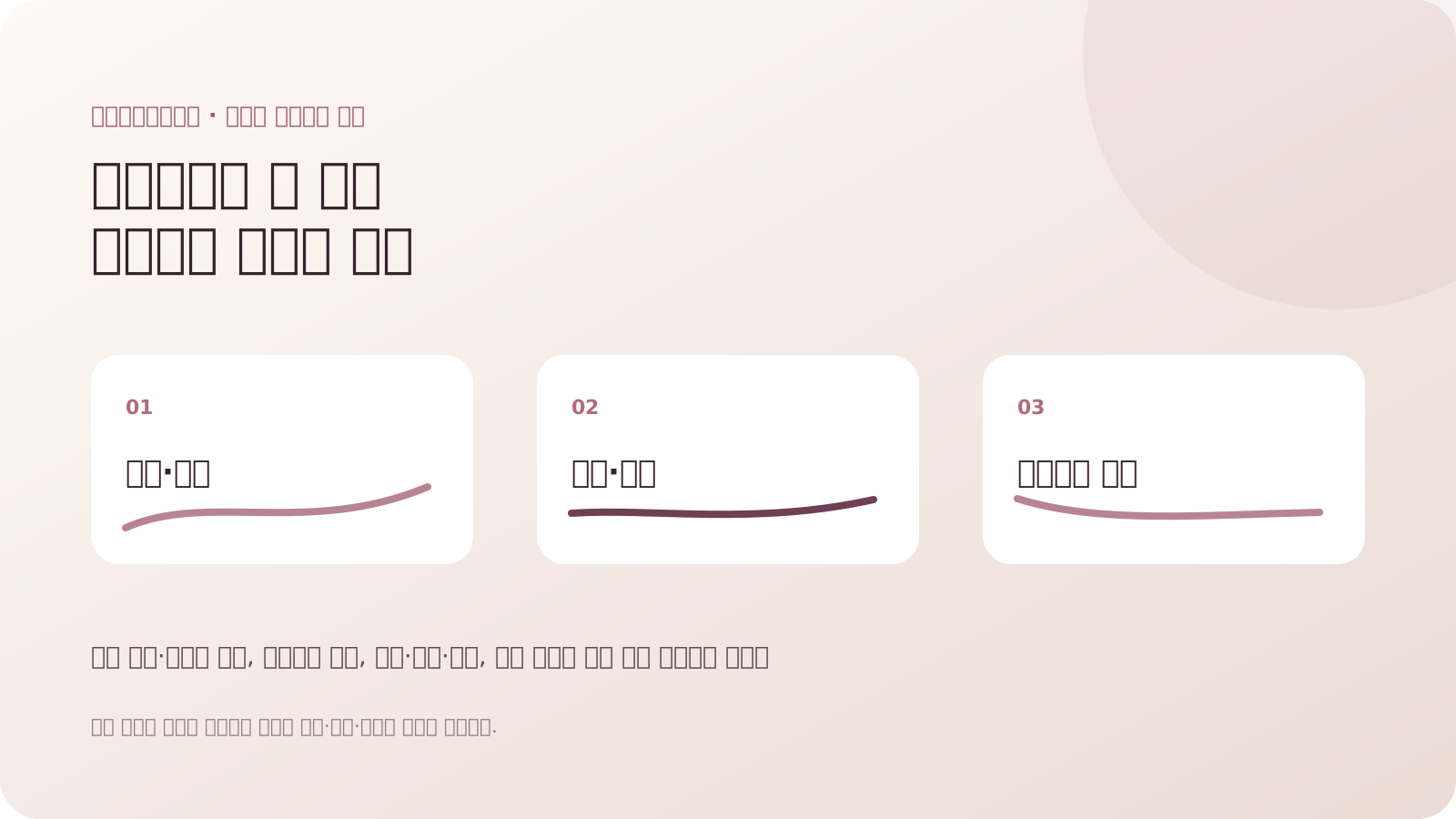
We examine the menstrual interval, abnormal bleeding, ovulation treatment schedule, blood glucose, blood pressure, sleep, skin symptoms, and the sustainability of lifestyle habits.
Photos show scenes of how cycles, pain, breastfeeding, and life transitions have affected daily life without revealing faces or identities. Disease tracking charts and conceptual diagrams are simplifications of differential diagnosis, examination, and progress records; they do not represent an individual's diagnosis or pregnancy/treatment results.Understanding Tests and Diagnosis
Polycystic Ovary Syndrome: Three things to know first
When Interpreting Test Results
PCOS cannot be diagnosed based on a single ultrasound image or irregular menstruation alone.
When Identifying Causes and Risk Factors
We categorize the priorities of pregnancy plans and menstrual, metabolic, and skin symptoms.
When Reviewing Lifestyle Changes
Long-term amenorrheaand abnormal bleeding indicate the need for an endometrial evaluation.
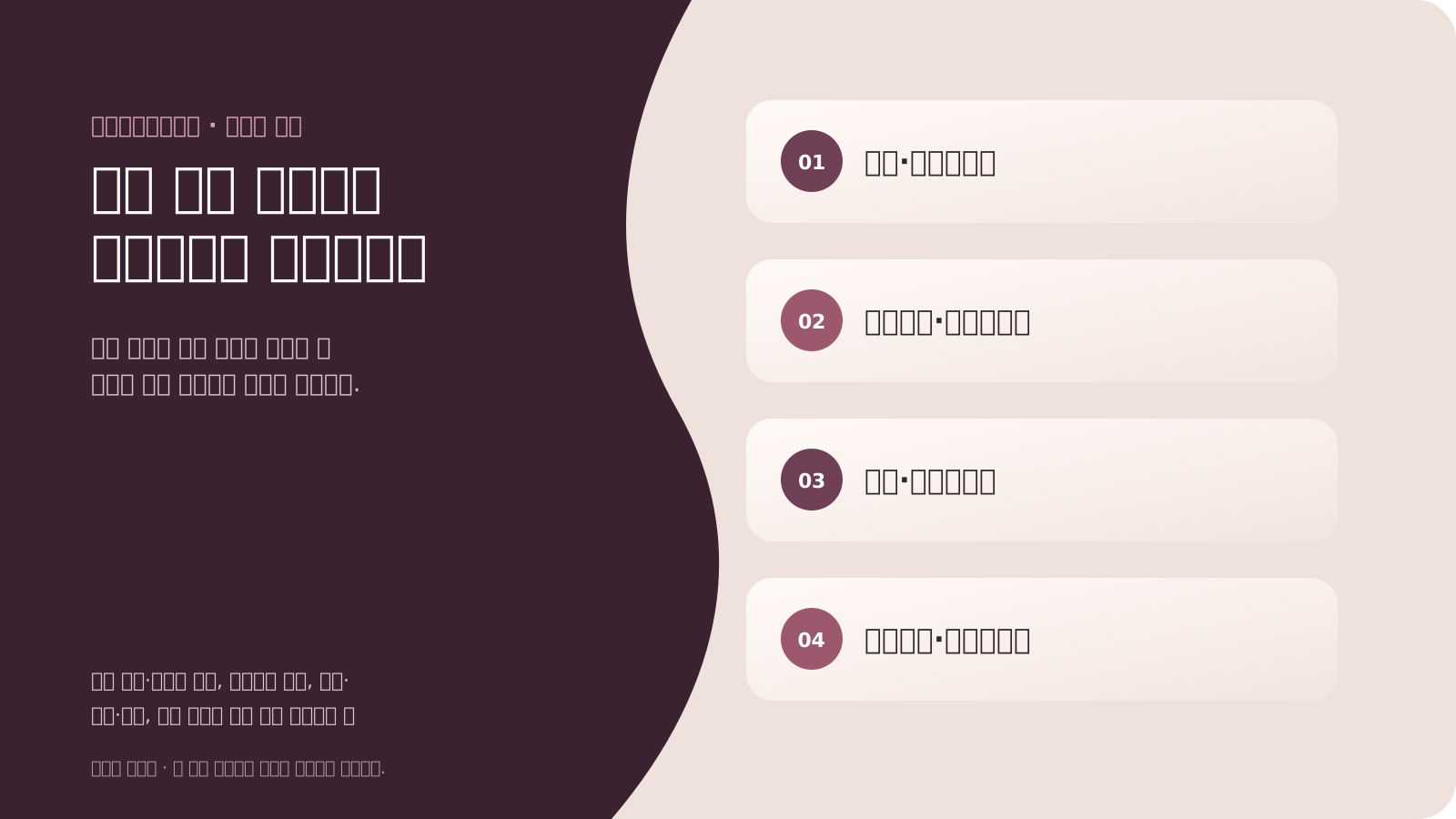
While maintaining endometrial protection, metabolic, and ovulation treatments, we identify the axis that aligns with actual symptoms among dampness, liver stagnation, blood stasis, or qi and blood deficiency.
Conceptual reference · ASRM: Fertility Evaluation of Infertile Women · ASRM: Ovarian ReserveStarting and Adjusting Korean Medicine Treatment
Korean medicine treatment is adjusted according to symptom combinations and changes in the next cycle
Before starting, record your current state
The criteria for organizing your current status are the cycle and bleeding of the last 12 months, and your ovulation and pregnancy plans. Pain, cycle, and lifestyle inconveniences are reviewed as part of the same category.
Even with the same diagnosis, symptom combinations differ
We determine the weight of the prescription by finding the combination that actually recurs among: long cycles overlapping with weight gain, edema, and postprandial somnolence / cycles and acne or breast pain fluctuating after stress / heavy clotted bleeding occurring after long amenorrhea / severe fatigue and decreased sleep after ovulation treatment or weight loss.
Re-verify in the next cycle
Even after treatment, we record menstruation, bleeding, metabolism, sleep, and ovulation treatment schedules in the same manner to maintain or adjust the prescription.
What to prepare before your visit
Please organize these three things before your visit
Cycle and bleeding of the last 12 months, and ovulation and pregnancy plans
Note the test dates and results together to track recent changes.
Ultrasound, androgen, blood glucose, lipid, and thyroid tests
Prepare test results and a list of medications used so that the status before and after treatment can be compared.
Contraceptives, ovulation inductors, metformin, Korean herbal medicine, supplements, and changes in sleep and weight
Inform the medical staff of all prescription drugs, over-the-counter drugs, Korean herbal medicine, and supplements without omission.
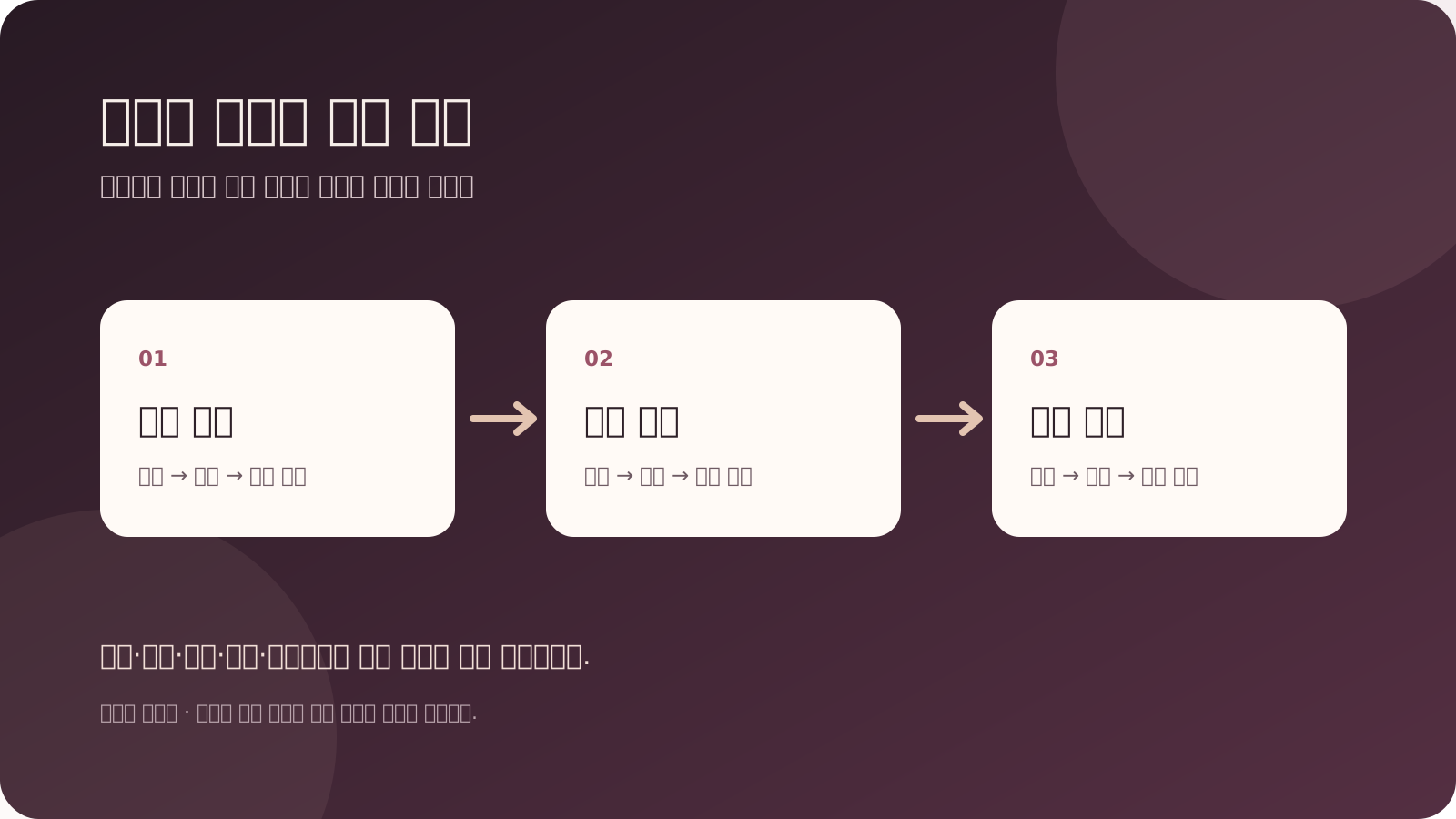
We review age, ovulation, fallopian tubes, uterus, semen analysis, and the procedure schedule together.
Conceptual reference · ASRM: Fertility Evaluation of Infertile Women · ASRM: Ovarian ReserveChanges to monitor before and after treatment
Check again using the same categories to determine if the treatment is helpful
Menstrual interval· We evaluate abnormal bleeding, ovulation treatment schedules, blood glucose, blood pressure, sleep, skin symptoms, and the sustainability of daily life.
Menstruation · Bleeding
Establish a baseline by confirming your current status during the first consultation.
Metabolism · Sleep
Record this along with the dates when treatment or medication changed.
Ovulation treatment schedule
Look for consistent changes over several days rather than a single good day.

Organizing test results and treatment history chronologically helps you identify specific questions to ask during your next appointment.
If starting Korean medicine treatment
Polycystic Ovary Syndrome: Four symptom combinations for Korean herbal medicine prescriptions
While maintaining treatment for endometrial protection, metabolism, and ovulation, we categorize the primary axis based on actual symptoms among phlegm-dampness, liver qi stagnation, blood stasis, and qi-blood deficiency.
Pattern identification (Byun-jeung) is not about renaming a gynecological diagnosis. For each condition, we determine whether to center the care on Korean medicine treatment, combine it with other treatments, or prioritize treating the underlying cause first. Then, we reflect items that actually change together, such as cycle, pain, cold/heat sensations, digestion, sleep, and energy levels, into the prescription.
When long cycles overlap with weight gain, edema, and postprandial somnolence
- Changes observed in cycles and pain
- We examine oligomenorrhea, discharge, and metabolic indicators.
- Concurrent changes observed in the body
- We check blood glucose, lipids, sleep apnea, and eating rhythms.
- Prescription Priority
- We maintain metabolic treatment while adjusting phlegm-dampness and lifestyle rhythms.
When cycles, acne, and breast pain fluctuate following stress
- Changes observed in cycles and pain
- We examine cycle deviation, premenstrual bloating, and skin changes.
- Concurrent changes observed in the body
- We check sleep, tension, digestion, and the ovulation treatment schedule.
- Prescription Priority
- We resolve stagnation and simultaneously check the cycle, skin, and body tension.
When heavy bleeding with clots occurs after a long period of amenorrhea
- Changes observed in cycles and pain
- We examine the duration of amenorrhea, blood clots, pain, and anemia.
- Concurrent changes observed in the body
- We first check for endometrial protection and evaluate excessive bleeding.
- Prescription Priority
- While maintaining treatment for the identified cause, we monitor the recovery of blood stasis-related pain and bleeding.
When severe fatigue and poor sleep occur after ovulation induction treatment or weight loss
- Changes observed in cycles and pain
- We examine diet, fatigue, pallor, and recovery after activity.
- Concurrent changes observed in the body
- We check for excessive restriction, anemia, thyroid issues, and medication side effects.
- Prescription Priority
- We support the recovery of energy and sleep without delaying procedures.
Order of Prescription Adjustment
- Check for urgent medical evaluation and current treatments
Check for emergency symptoms and the timing for re-evaluation; do not arbitrarily change prescription or procedure plans.
- Select the combination of symptoms that actually recur
Rather than using the four categories as a self-diagnosis checklist, we retain only the relevant clues from medical interviews and existing tests.
- Determine the next prescription based on the same items
We re-evaluate changes in menstruation, bleeding, metabolism, sleep, and ovulation treatment schedules to decide whether to maintain, adjust, or discontinue treatment.
We review pregnancy-related evaluations, tests or surgeries for structural diseases, antibacterial treatment for infections, and schedules for infertility procedures and menopause treatment to divide and coordinate the scope of Korean herbal medicine treatment. Treatment goals are tracked by specifically defining changes in pain, bleeding, sleep, energy levels, and daily functioning.
Consult by PCOS goalWomen's Health Glossary
Additional information regarding Polycystic Ovary Syndrome (PCOS)
You can check a brief definition before proceeding to a detailed explanation.Frequently Asked Questions
Frequently Asked Questions about Polycystic Ovary Syndrome
If the ultrasound shows a polycystic appearance, is it PCOS?
No. We synthesize findings on menstruation, ovulation, androgen symptoms, and ultrasound results while excluding other causes.
Is natural pregnancy impossible with PCOS?
That is not the case. However, if ovulation is irregular, it may take more time, so we evaluate age, the duration of attempts, and other factors together.
Is it completely cured by taking contraceptive pills?
Contraceptive pills may be used for menstrual regulation, endometrial protection, and managing some skin symptoms, but we consider individual goals and risks.
Do I have to lose weight to be cured?
We do not evaluate patients based on weight alone. We manage an individual's metabolic risks, sleep, diet, and activity in a sustainable manner.
Can Korean herbal medicine restore ovulation?
We do not guarantee ovulation or pregnancy results. While maintaining necessary evaluations and treatments, we consult on parallel goals regarding the menstrual cycle and systemic discomfort.
When should Korean herbal medicine treatment be considered for Polycystic Ovary Syndrome (PCOS)?
If there are no symptoms that need to be checked first or other suspected causes, treatment can begin with a focus on Korean medicine. Rather than just adjusting the menstrual cycle, we treat based on the individual's combination of symptoms and pregnancy plans, observing ovulation clues, acne, hirsutism, weight changes, sleep, appetite, digestion, and fatigue.
What should I record before a consultation for Polycystic Ovary Syndrome?
It is helpful to organize the following information in chronological order: menstrual cycles and bleeding over the last 12 months, ovulation and pregnancy plans, ultrasound, androgen, blood glucose, lipid, and thyroid tests, as well as use of contraceptive pills, ovulation inductors, metformin, Korean herbal medicine, supplements, and changes in sleep and weight. Please prepare your cycle chart, metabolic and hormone test results, pregnancy plans, and a complete list of medications.
Can I use Korean herbal medicine along with other treatments for Polycystic Ovary Syndrome?
Do not stop your current prescriptions arbitrarily; please inform us of all medications and supplements you are taking. We do not guarantee ovulationAMH· Without promising pregnancy outcomes, we aim to reduce the burden on the cycle, metabolism, skin, and sleep while adhering to necessary treatments.
Evidence and Update Information
This content was compiled by Korean medicine doctor Choi Yeon-seung based on the official professional materials and disease-specific clinical data below, and was updated on 2026-08-24.
- ACOG: PCOSCommon symptoms, health risks, and treatment goals of PCOS
- ASRM: 2023 International PCOS GuidelinePCOS diagnosis, metabolic, and reproductive management recommendations
- NICE NG88Irregular or heavy bleeding and principles of endometrial evaluation
- CDC: Diabetes and WomenGeneral information on metabolic health for women
- ACOG: Abnormal Uterine BleedingTiming, amount, cycle, and evaluation criteria for abnormal bleeding
- ASRM: Fertility Evaluation of Infertile WomenTiming of infertility evaluation and assessment of ovulation, fallopian tubes, uterus, and ovarian reserve
- ASRM: Ovarian ReservePrediction of ovarian stimulation response via AMH and AFC and limitations of interpretation
- ACOG: Amenorrhea: Absence of PeriodsDefinition of amenorrhea and evaluation of pregnancy, endocrine, and structural causes