
Subfertility: Read in order of your curiosity
Understanding the diagnosis and test results
Subfertility: Planning the evaluation of both partners, treatment timing, and bodily recovery together
Subfertility is not a problem caused only by the woman. In women, ovulationdisorders, fallopian tube damage or blockage, endometriosis and uterine structural issues, and age-related changes in ovarian function may be involved. In men, sperm count, motility, morphology, varicocele, hormones, or ejaculation issues can be the cause. Since factors from both partners may overlap or the cause may not be clear in the initial evaluation, we plan female examinations and semen analysis together from the start.
While ensuring the timing for subfertility evaluation is not missed, we simultaneously manage preparations for natural pregnancy and recovery before and after procedures.
We first share the infertility evaluation and the schedule for ovulation, fallopian tube, semen, and uterine examinations and procedures. Within that plan, we use Korean herbal medicine treatment to address menstruation, sleep, digestion, and the physical burden of the treatment process.
we examine recurring symptoms and the body's recovery
After reviewing the test results, age, ovulation, and ovarian reserve of both partners, we address menstruation, sleep, digestion, pain, energy levels, and recovery between procedures to prepare the body for subsequent treatments.
Test, medication, and procedure schedules are shared as they are
While adhering to the professional treatment schedule, Korean medicine treatment can support the recovery of sleep, digestion, pain, and fatigue between procedures.
We establish a plan that avoids wasting time by reflecting age, ovarian reserve, the duration of attempts, and the causes from both partners.
Cases requiring an OB/GYN evaluationCheck when applicable
Based on age and the duration of attempts, we first determine the schedule for fertility evaluation, ovulation induction, surgery, and IVF. Korean herbal medicine treatment is conducted in parallel with specific goals of managing the menstrual cycle, sleep, digestion, energy levels, and recovery after procedures according to that schedule.
- Possibility of pregnancy accompanied by severe unilateral pelvic pain, bleeding, or a feeling of fainting
- Suspected pelvic infection due to high fever, foul-smelling discharge, or severe pelvic pain
- Occurrence of sudden severe testicular pain, swelling, or trauma
- Rapid abdominal bloating, difficulty breathing, or decreased urination during ovarian stimulation treatment
Surgery, procedure, or further evaluationDepending on the confirmed cause, such as abnormalities in the fallopian tubes or uterine cavity, endometriosis, or fibroids, we compare the pros and cons of surgery versus assisted reproduction with a professional team.
To what extent to integrate Korean medicine treatment
Infertility: Distinguishing the roles of the two treatments
We verify the duration of pregnancy attempts and the evaluation of ovulation, fallopian tubes, semen, and the uterus, ensuring neither partner is overlooked. While not delaying tests and procedure schedules, we simultaneously monitor menstruation, sleep, digestion, and the physical stamina burden of the treatment process.
Observing how symptoms have disrupted your daily life
We organize the test results and the dates of procedures and medication for both partners, and record sleep, diet, digestion, pain, and work loss between procedures.
Categorizing symptom combinations even within the same diagnosis
We determine the priority of the prescription by selecting clues from actual consultations and tests among types such as cycle-related, ovulation-fluctuation, blood stasis, pelvic pain, phlegm-dampness, metabolic burden, qi-blood deficiency, or procedure-exhaustion types.
Re-evaluating through the next cycle and lifestyle changes
Instead of pregnancy results, we monitor adherence to the procedure schedule and whether records necessary for the next visit, such as sleep, intake, bowel movements, and pain, are prepared.
Treatment goalWithout guaranteeing pregnancy, we reduce the burden of sleep, digestion, energy, and pain required to endure tests and procedures while respecting the timing of professional treatment.
Consult using infertility test and procedure records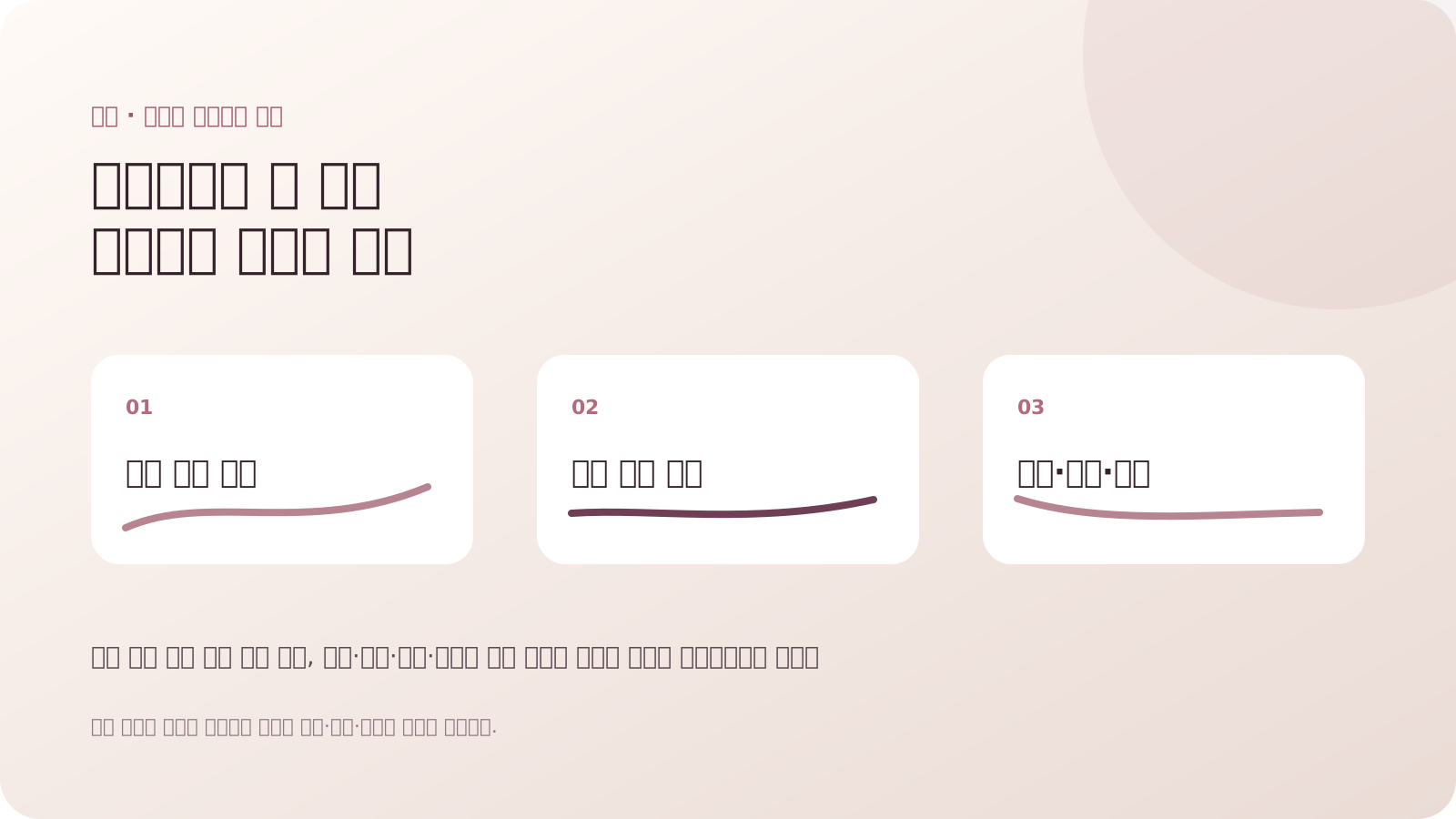
Instead of pregnancy results, we monitor adherence to the procedure schedule and whether records necessary for the next visit, such as sleep, intake, bowel movements, and pain, are prepared.
Photos show scenes of how cycles, pain, breastfeeding, and life transitions have affected daily life without revealing faces or identities. Disease tracking charts and conceptual diagrams are simplifications of differential diagnosis, examination, and progress records; they do not represent an individual's diagnosis or pregnancy/treatment results.Understanding Tests and Diagnosis
Infertility: Three things to know first
When Interpreting Test Results
Causes of infertility can be divided into female, male, combined, or unexplained factors.
When Identifying Causes and Risk Factors
Testing does not begin after one partner has finished; both partners start together.
When Reviewing Lifestyle Changes
Age and amenorrhea· If there are risk factors such as a history of surgery, the evaluation will be moved forward.
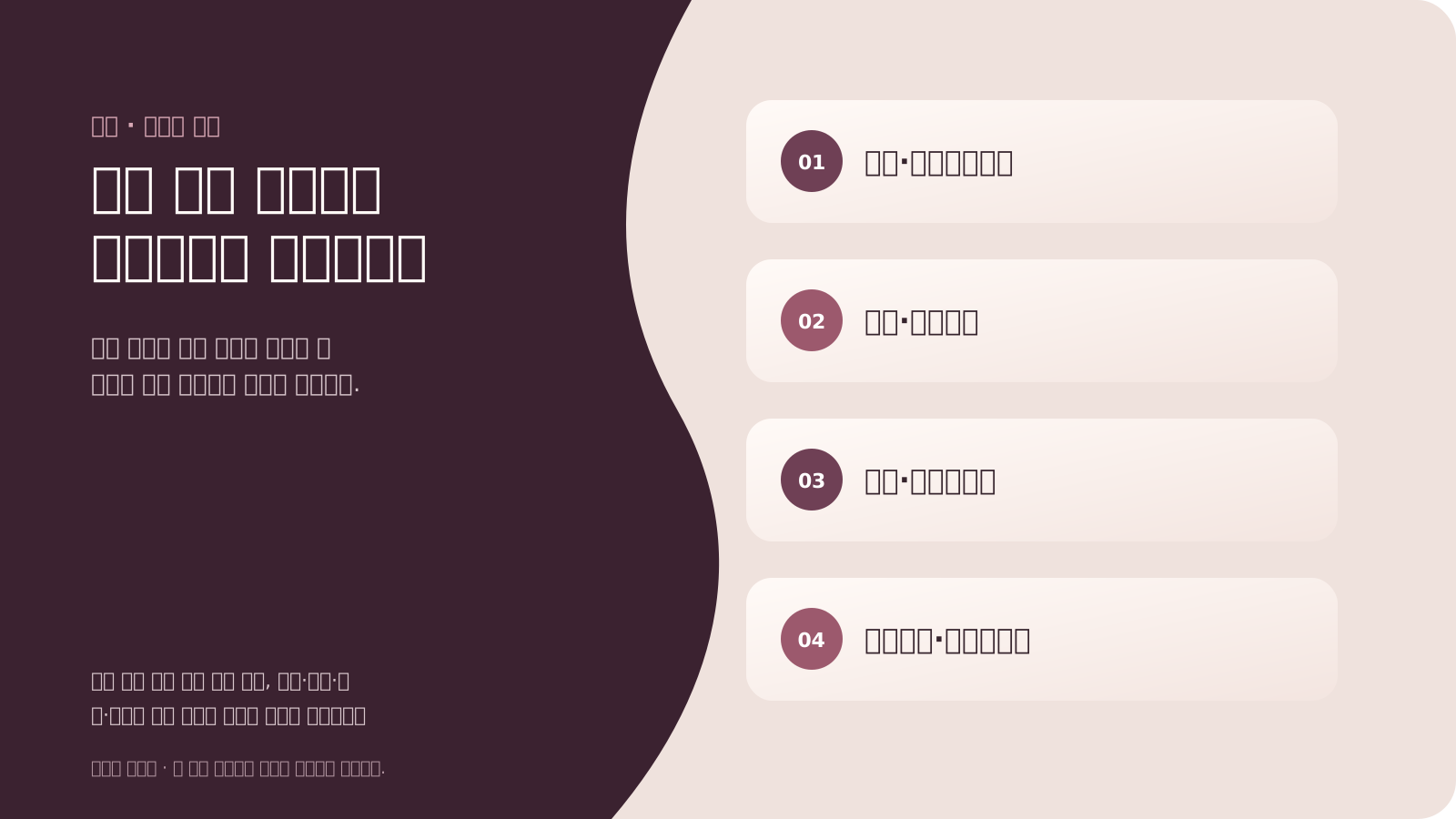
With the reproductive medicine plan for each cause at the center, we categorize only the physical burden of enduring procedures among cycle, pelvic pain, phlegm-dampness, deficiency of qi and blood, and tension.
Conceptual reference · ASRM: Fertility Evaluation of Infertile Women · ASRM: Ovarian ReserveDefining the role of concurrent treatment
Integrating tests, procedures, and Korean medicine treatment within a single plan
Scheduled tests and procedure dates are shared
We do not arbitrarily change the current plan and instead record symptoms and recovery status before and after treatment.
Setting specific goals for Korean medicine treatment
A secondary goal is to help the body handle the next stage by recovering sleep, digestion, pain, and energy levels that may have collapsed between tests and procedures, without delaying the fertility evaluation and professional treatment timing for both partners.
Review all medications in a single list
Please provide a complete list of prescription drugs, over-the-counter drugs, Korean herbal medicine, and supplements to adjust the timing and feasibility of concurrent use.
What to prepare before your visit
Please organize these three things before your visit
Test results and procedure/surgery dates for both partners
Note the test dates and results together to track recent changes.
Results for ovulation, fallopian tubes, uterus, ovarian reserve, and semen analysis
Prepare test results and a list of medications used so that the status before and after treatment can be compared.
Full list of prescription drugs, injections, Korean herbal medicine, and supplements, as well as sleep, digestion, and fatigue
Inform the medical staff of all prescription drugs, over-the-counter drugs, Korean herbal medicine, and supplements without omission.
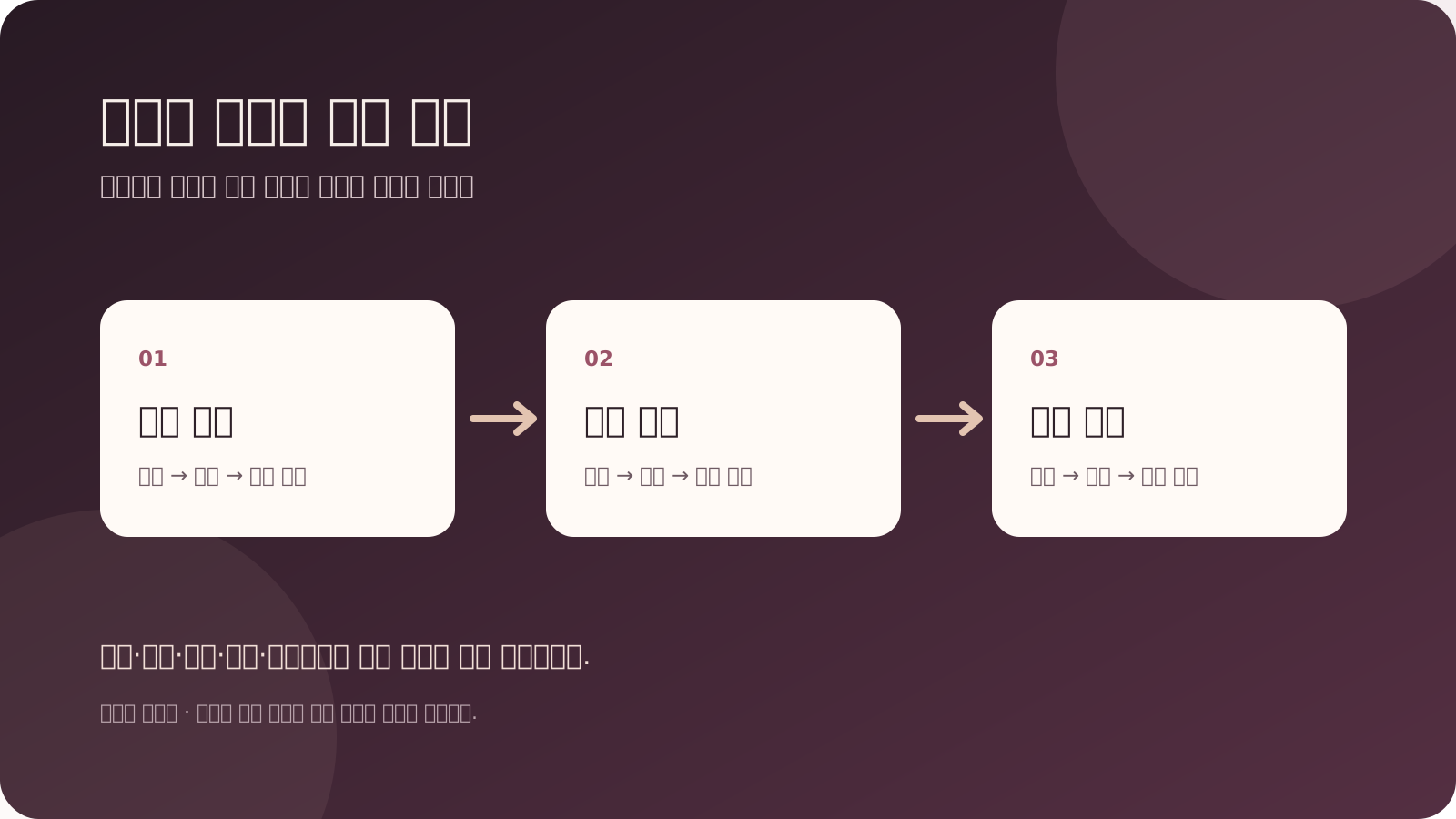
We review age, ovulation, fallopian tubes, uterus, semen analysis, and the procedure schedule together.
Conceptual reference · ASRM: Fertility Evaluation of Infertile Women · ASRM: Ovarian ReserveChanges to monitor before and after treatment
Check again using the same categories to determine if the treatment is helpful
Instead of pregnancy outcomes, we monitor adherence to the procedure schedule, sleep, intake, bowel movements, pain, and whether the records necessary for the next visit are prepared.
Tests completed for both partners
Establish a baseline by confirming your current status during the first consultation.
Next treatment schedule
Record this along with the dates when treatment or medication changed.
Sleep, intake, and pain
Look for consistent changes over several days rather than a single good day.

Organizing test results and treatment history chronologically helps you identify specific questions to ask during your next appointment.
When continuing both treatments together
Infertility: Four symptom combinations for Korean herbal medicine prescriptions
With the reproductive medicine plan for each cause at the center, we categorize only the physical burden of enduring procedures among cycle, pelvic pain, phlegm-dampness, deficiency of qi and blood, and tension.
Pattern identification (Byun-jeung) is not about renaming a gynecological diagnosis. For each condition, we determine whether to center the care on Korean medicine treatment, combine it with other treatments, or prioritize treating the underlying cause first. Then, we reflect items that actually change together, such as cycle, pain, cold/heat sensations, digestion, sleep, and energy levels, into the prescription.
When oligomenorrhea or anovulation overlaps with the treatment schedule
- Changes observed in cycles and pain
- We review the cycle, ovulation induction, bleeding, and ultrasound.
- Concurrent changes observed in the body
- We verify the treatment for causes such as PCOS, thyroid issues, or prolactin.
- Prescription Priority
- We maintain your reproductive medicine plan while adjusting your cycle and systemic burden.
When there is pain along with a history of endometriosis, adenomyosis, or surgery
- Changes observed in cycles and pain
- We review menstrual, sexual, and bowel pain, as well as imaging and surgical records.
- Concurrent changes observed in the body
- We verify the treatment plans for the fallopian tubes, uterus, and endometriosis.
- Prescription Priority
- We support pain recovery without replacing structural treatments.
When metabolic, weight, or sleep issues overlap with ovulation treatment
- Changes observed in cycles and pain
- We monitor blood sugar, postprandial somnolence, edema, and sleep.
- Concurrent changes observed in the body
- We verify the schedules for PCOS, sleep apnea, medications, and procedures.
- Prescription Priority
- We maintain metabolic treatment while adjusting phlegm-dampness and lifestyle rhythms.
When diet, sleep, and energy collapse after tests or procedures
- Changes observed in cycles and pain
- We monitor intake, bowel movements, nighttime awakenings, and recovery after activity.
- Concurrent changes observed in the body
- We check for anemia, thyroid issues, and medication side effects.
- Prescription Priority
- We support Qi, blood, and recovery burden without delaying procedures.
Order of Prescription Adjustment
- Check for urgent medical evaluation and current treatments
Check for emergency symptoms and the timing for re-evaluation; do not arbitrarily change prescription or procedure plans.
- Select the combination of symptoms that actually recur
Rather than using the four categories as a self-diagnosis checklist, we retain only the relevant clues from medical interviews and existing tests.
- Determine the next prescription based on the same items
We determine whether to maintain, adjust, or discontinue treatment by re-verifying the completion of tests from both sides, the next treatment schedule, and changes in sleep, intake, and pain.
We review pregnancy-related evaluations, tests or surgeries for structural diseases, antibacterial treatment for infections, and schedules for infertility procedures and menopause treatment to divide and coordinate the scope of Korean herbal medicine treatment. Treatment goals are tracked by specifically defining changes in pain, bleeding, sleep, energy levels, and daily functioning.
Consult using infertility test and procedure recordsWomen's Health Glossary
Additional information to know regarding infertility guidance
You can check a brief definition before proceeding to a detailed explanation.Frequently Asked Questions
Frequently Asked Questions About Infertility
Is there a difference between the causes of sterility and infertility?
While these terms are often used interchangeably in general searches, the term 'infertility' is now commonly used to describe a state where conceiving is difficult. The evaluation of causes involves checking both the woman and the man.
Are there specific symptoms of infertility?
Infertility itself may not have any specific symptoms. However, amenorrhea, irregular cycles, pelvic pain, or changes in male testicular or sexual function can provide clues to the cause.
Does 'unexplained infertility' really mean there is no cause?
It means that no clear cause was identified through basic testing. The next steps are determined by considering age, the duration of attempts, and the response to treatment.
Should only the woman undergo infertility testing first?
No. Since male factors are also common, whenever possible, the evaluation of the woman's ovulation, uterus, and fallopian tubes is started simultaneously with the man's medical history and semen analysis.
If my AMH is normal in infertility tests, can I be reassured?
AMHis an indicator that helps assess the ovarian response to stimulation; it does not reflect overall egg quality, the condition of the fallopian tubes, semen factors, or the overall possibility of natural conception.
Can all causes be found through infertility tests?
There may be cases of unexplained infertility where no clear cause is identified even after a standard evaluation. After hearing about the limitations of the tests, a subsequent plan is established based on age, the duration of attempts, and personal preferences.
Are there other symptoms of infertility besides the inability to conceive?
In many cases, there are no distinct accompanying symptoms. Irregular or absent menstruation can be a clue to ovulation problems, but since the cause cannot be determined by symptoms alone for either men or women, the medical history and necessary tests for both partners are reviewed together. Please seek medical evaluation first for pelvic pain, abnormal bleeding, or testicular pain/lumps, regardless of the duration of pregnancy attempts.
When can Korean herbal medicine treatment be considered for infertility?
It is possible. The schedule for tests, medications, and procedures is shared, and it is first determined what will be addressed through Korean medicine treatment. After reviewing the test results, age, ovulation, and ovarian reserve of both partners, the body is prepared for subsequent treatments by addressing menstruation, sleep, digestion, pain, energy levels, and recovery between procedures.
What should I record before an infertility consultation?
It is helpful to organize the following information in chronological order: test results for both partners, dates of procedures and surgeries, results for ovulation, fallopian tubes, uterus, ovarian reserve, and semen analysis, a complete list of prescribed medications, injections, Korean herbal medicine, and supplements, as well as sleep, digestion, and fatigue. Please summarize the test results and procedure schedules for both partners, all medications taken, and the most difficult discomforts experienced during this treatment.
Can I use Korean herbal medicine along with infertility treatment?
Do not arbitrarily stop your current prescriptions, and please disclose all medications and supplements you are taking. While it does not guarantee pregnancy, it reduces the burden of pain and improves sleep, digestion, and energy levels to help endure tests and procedures while adhering to the timing of professional treatment.
Evidence and Update Information
This content was compiled by Korean medicine doctor Choi Yeon-seung based on the official professional materials and disease-specific clinical data below, and was updated on 2026-08-24.
- ACOG: Evaluating InfertilityEvaluation start point and simultaneous basic tests for women and men
- NICHD: Infertility treatmentsPrinciples for choosing treatment based on the cause of infertility, age, and male/female factors
- ASRM: Fertility Evaluation of Infertile WomenTiming of infertility evaluation and assessment of ovulation, fallopian tubes, uterus, and ovarian reserve
- ASRM: Ovarian ReservePrediction of ovarian stimulation response via AMH and AFC and limitations of interpretation
- NHS: InfertilityPossibility of absence of infertility symptoms and evaluation of menstruation, ovulation, and male/female factors
- NHS: Treatment for infertilityOvulation induction drugs, surgery by cause, IUI, IVF, and safety regarding side effects, multiple pregnancies, and ectopic pregnancies
- NICHD: Assisted Reproductive TechnologyContext for IUI indications and the IVF process of ovarian stimulation, egg retrieval, fertilization, and embryo transfer, and professional consultation
- ASRM: 2023 International PCOS GuidelinePCOS diagnosis, metabolic, and reproductive management recommendations
- ACOG: Abnormal Uterine BleedingTiming, amount, cycle, and evaluation criteria for abnormal bleeding
- ACOG: Amenorrhea: Absence of PeriodsDefinition of amenorrhea and evaluation of pregnancy, endocrine, and structural causes