
Amenorrhea: Read in order of your concerns
Understanding the diagnosis and test results
Amenorrhea: Checking for pregnancy first, then dietary, exercise, and hormonal causes
amenorrheaThe first cause to check is pregnancy. If not pregnant, causes may include physiological changes such as breastfeeding or menopause, rapid weight loss, insufficient energy intake, excessive exercise, stress, polycystic ovary syndrome (PCOS), thyroid/hypothalamic/pituitary issues, primary ovarian insufficiency, hormonal contraceptives, or other medications. If the first period has not yet started, delayed puberty, genetic/chromosomal conditions, and differences in uterine or vaginal development are also checked. Rather than attributing the cause to weight or stress alone, we differentiate the cause through pregnancy tests, medical history, physical examinations, and necessary hormone tests or ultrasounds.
After identifying the reason why menstruation stopped, we simultaneously monitor the recovery of your cycle and overall physical condition.
We first proceed with tests and treatments to identify the cause of bleeding and pain. When combining this with Korean medicine treatment, we specifically define the remaining discomforts among fatigue, dizziness, or poor sleep following the cycle changes and bleeding.
we examine recurring symptoms and the body's recovery
While addressing identified causes such as nutritional deficiency, excessive exercise, stress, PCOS, or ovarian function, we also monitor the recovery of sleep, digestion, body temperature (cold/heat), weight, and pre- and post-menstrual symptoms.
Test, medication, and procedure schedules are shared as they are
While maintaining nutritional, hormonal, or metabolic treatment, we can provide supportive care for the recovery of sleep, digestion, body temperature (cold/heat), and general energy.
The timing for fertility counseling is moved forward depending on age, the duration of amenorrhea, ovarian function, and pregnancy plans.
Cases requiring an OB/GYN evaluationCheck when applicable
The possibility of pregnancy is checked first; severe headaches, vision changes, milky nipple discharge, rapid weight changes, flushing, or pelvic pain are evaluated without delay.
- Possibility of pregnancy and severe pain in the lower abdomen on one side
- Vaginal bleeding with severe dizziness, fainting, or paleness
- Sudden severe headache, vision changes, or changes in consciousness
- Severe dietary restriction, dehydration, or rapid physical weakness
Surgery, procedure, or further evaluationConsultations for procedures or surgery related to the specific cause are provided only when structural problems in the uterus or ovaries are confirmed.
To what extent to integrate Korean medicine treatment
Amenorrhea: Distinguishing the roles of the two treatments
We first check the duration of the absence of menstruation, the possibility of pregnancy, weight changes, exercise, and thyroid and ovarian functions. While continuing necessary evaluations and treatments, we simultaneously monitor sleep, digestion, energy levels, and cycle changes.
Observing how symptoms have disrupted your daily life
Please record the date of your last menstrual period and the date of your pregnancy test, and mark when there were changes in weight, diet, exercise, sleep, stress, or medications.
Categorizing symptom combinations even within the same diagnosis
Prescription priorities are determined by selecting clues from the following patterns that match the actual medical interview and examination: Qi and Blood deficiency, nutritional deficiency, Kidney deficiency, ovarian dysfunction, dampness-phlegm/ovulation stagnation, or Qi stagnation and Blood stasis/stress.
Re-evaluating through the next cycle and lifestyle changes
We do not look only at the presence or absence of menstruation, but also monitor whether energy intake, weight stability, hot flashes, sleep, ovulation/examination plans, and bone health evaluations are proceeding in a timely manner.
Treatment goalRather than aiming to force menstruation, we identify the cause and track changes in the body's recovery process while protecting reproductive, metabolic, and bone health.
Consult using amenorrhea causes and recovery records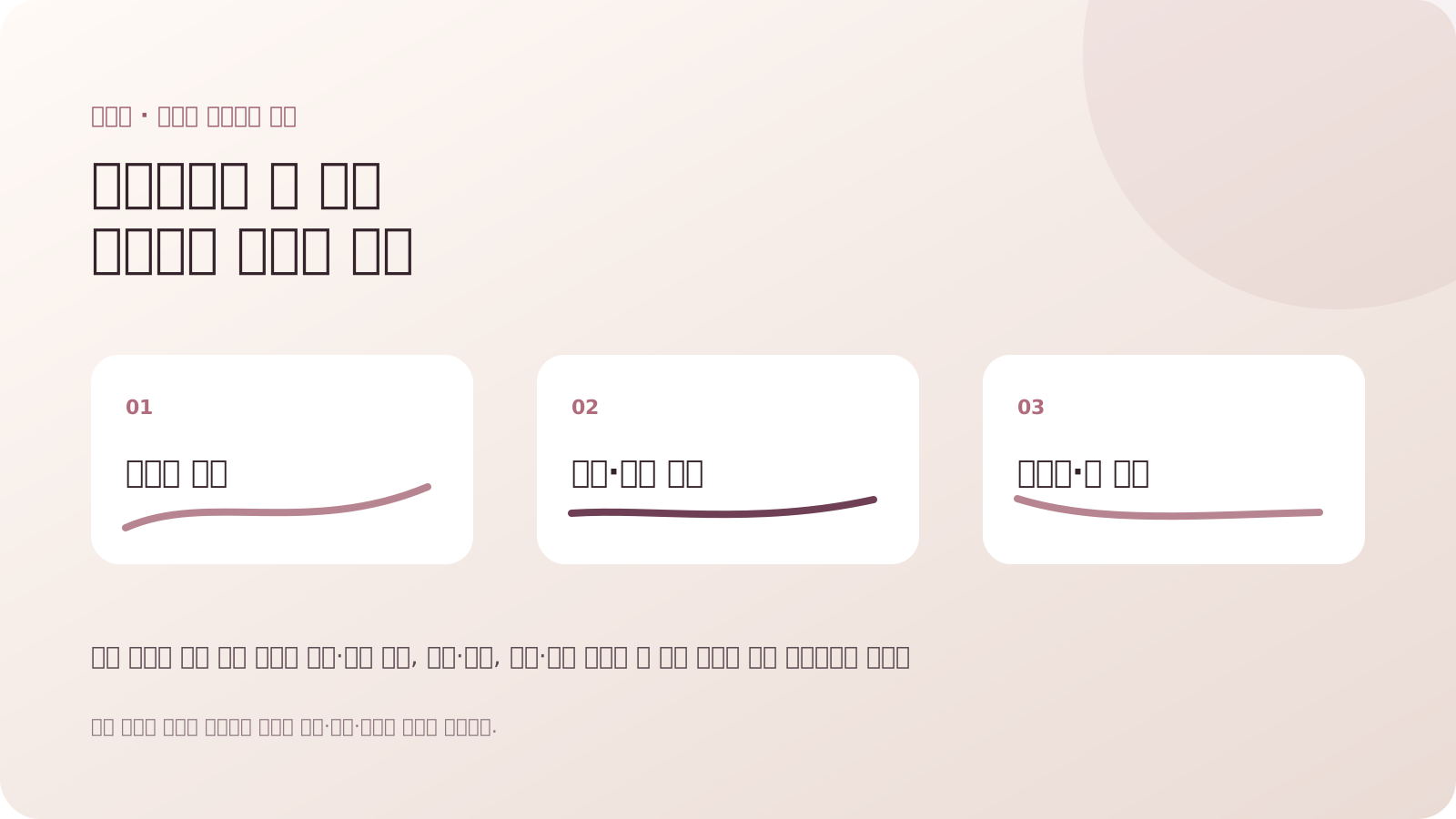
We do not look only at the presence or absence of menstruation, but also monitor whether energy intake, weight stability, hot flashes, sleep, ovulation/examination plans, and bone health evaluations are proceeding in a timely manner.
Photos show scenes of how cycles, pain, breastfeeding, and life transitions have affected daily life without revealing faces or identities. Disease tracking charts and conceptual diagrams are simplifications of differential diagnosis, examination, and progress records; they do not represent an individual's diagnosis or pregnancy/treatment results.Understanding Tests and Diagnosis
Amenorrhea: Three things to know first
When Interpreting Test Results
If there is a possibility of sexual activity, pregnancy is confirmed first regardless of contraceptive use.
When Identifying Causes and Risk Factors
Along with weight, eating habits, exercise, and stress, PCOScauses related to the thyroid, ovaries, pituitary gland, and medications are checked together.
When Reviewing Lifestyle Changes
If severe abdominal pain, dizziness, fainting, or bleeding overlap with the possibility of pregnancy, ectopic pregnancy is immediately ruled out.
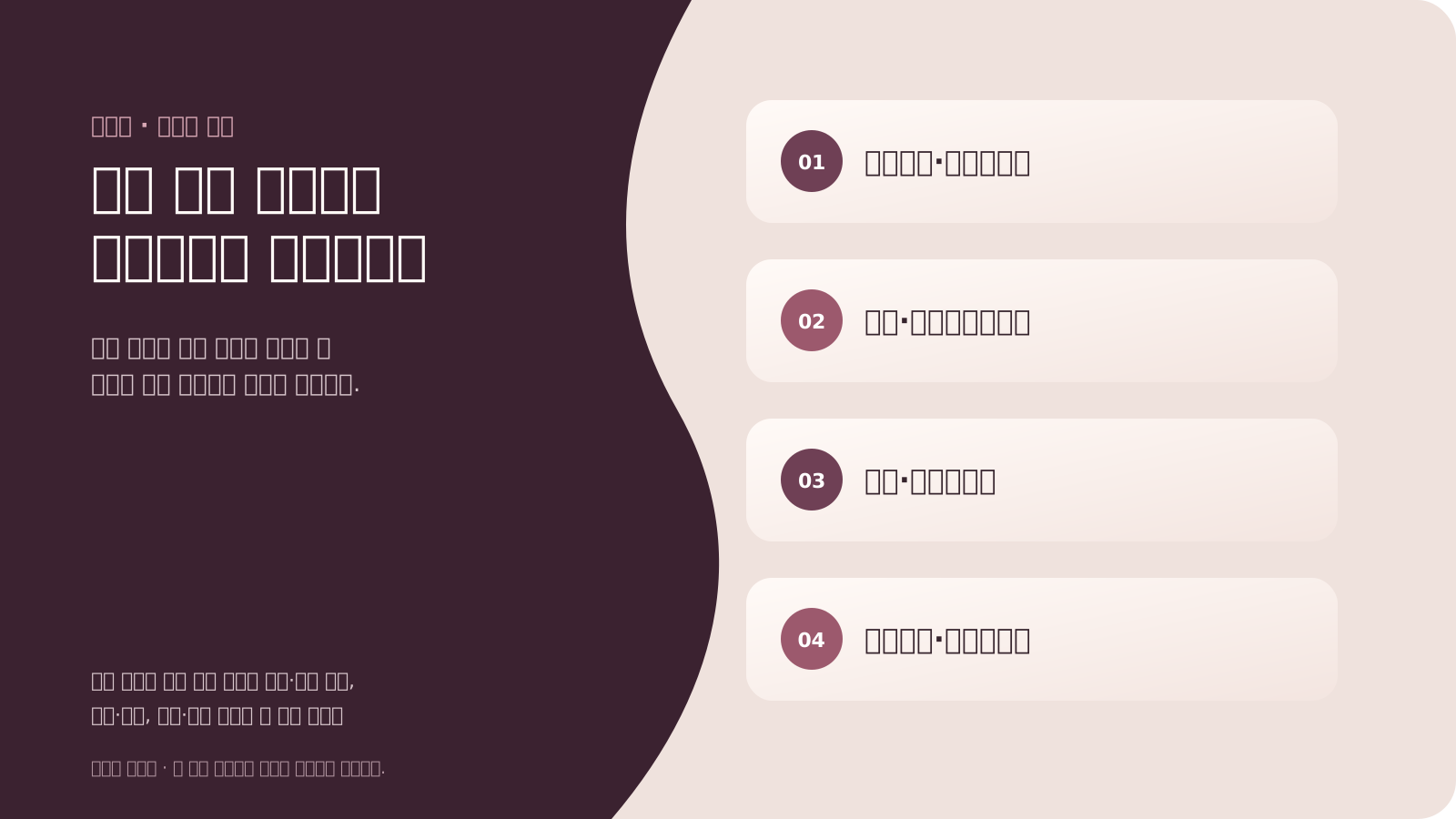
After screening for pregnancy, thyroid issues, prolactin, PCOS, hypothalamic amenorrhea, and ovarian dysfunction, we categorize clues into Qi and Blood deficiency, Kidney deficiency, dampness-phlegm, and Qi stagnation and Blood stasis.
Conceptual reference · ACOG: Abnormal Uterine Bleeding · ACOG: Amenorrhea: Absence of PeriodsDefining the role of concurrent treatment
Integrating tests, procedures, and Korean medicine treatment within a single plan
Scheduled tests and procedure dates are shared
We do not arbitrarily change the current plan and instead record symptoms and recovery status before and after treatment.
Setting specific goals for Korean medicine treatment
While evaluating causes related to pregnancy, endocrine system, nutrition, and ovarian function, if decreased intake, excessive exercise, hot flashes, or sleep problems persist alongside the cessation of menstruation, the burden of recovery is distributed within a range that does not interfere with the treatment of the cause.
Review all medications in a single list
Please provide a complete list of prescription drugs, over-the-counter drugs, Korean herbal medicine, and supplements to adjust the timing and feasibility of concurrent use.
What to prepare before your visit
Please organize these three things before your visit
Date of last menstrual period and cycles over the previous 12 months
Note the test dates and results together to track recent changes.
Results for pregnancy, thyroid, prolactin, FSH, estradiol, and ultrasound
Prepare test results and a list of medications used so that the status before and after treatment can be compared.
Weight, diet, amount of exercise, sleep, stress, and all current medications
Inform the medical staff of all prescription drugs, over-the-counter drugs, Korean herbal medicine, and supplements without omission.
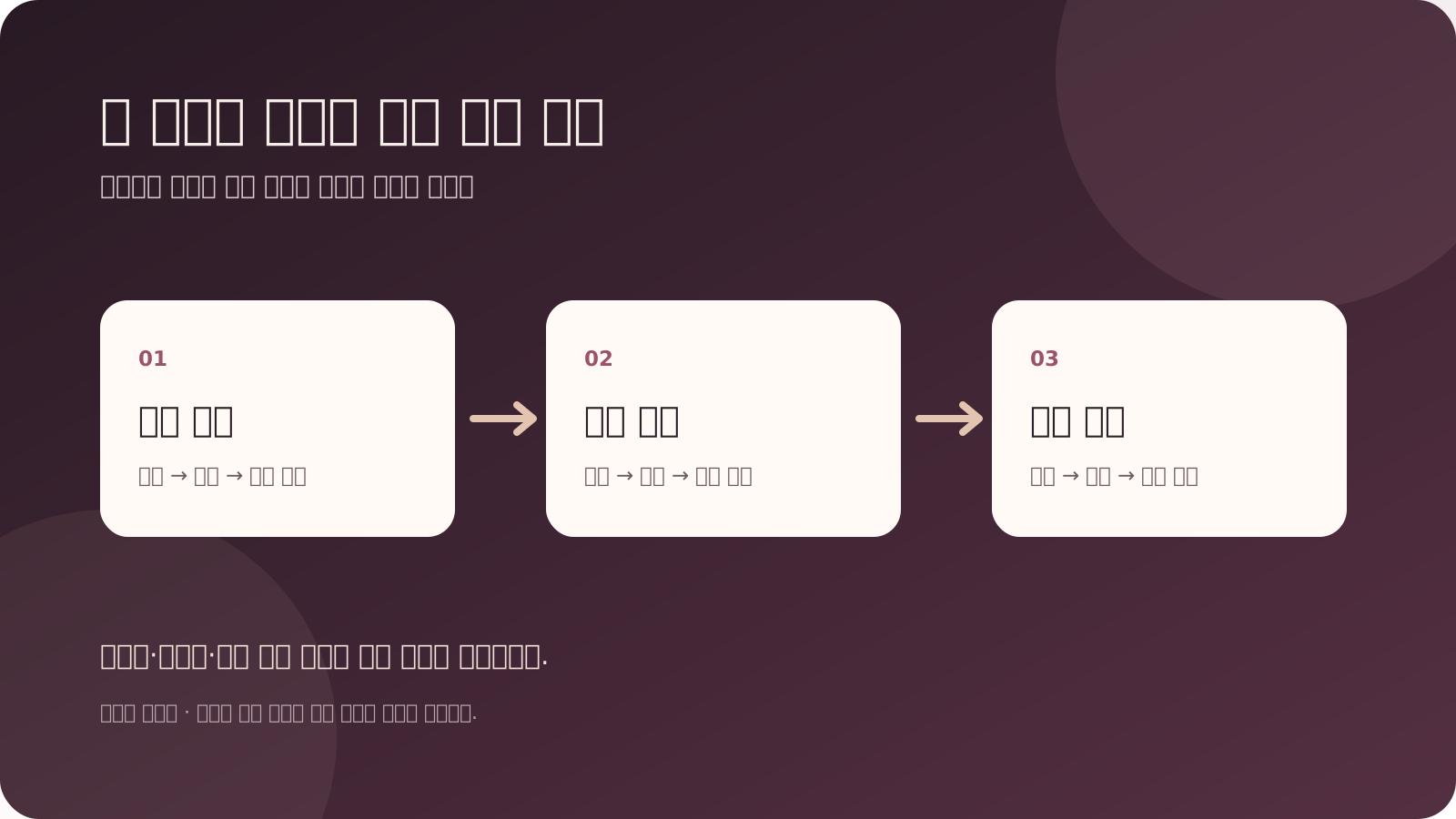
We compare the start date, duration, intermenstrual bleeding, and lifestyle changes.
Conceptual reference · ACOG: Abnormal Uterine Bleeding · ACOG: Amenorrhea: Absence of PeriodsChanges to monitor before and after treatment
Check again using the same categories to determine if the treatment is helpful
We do not look only at the presence or absence of menstruation, but also energy intake, weight stability, hot flashes, and sleep, ovulation· We check if the test plan and bone health evaluation are proceeding in a timely manner.
Last Menstruation
Establish a baseline by confirming your current status during the first consultation.
Changes in Intake and Exercise
Record this along with the dates when treatment or medication changed.
Hormone and Bone Health Schedule
Look for consistent changes over several days rather than a single good day.

Record not only the start date but also the amount of bleeding, pain, medication, and impact on daily life using the same criteria.
When continuing the two treatments together
Amenorrhea: Four symptom combinations for prescribing Korean herbal medicine
Pregnancy, thyroid, prolactin, PCOS, hypothalamic amenorrhea·Diminished Ovarian ReserveAfter ruling these out, we categorize clues into Qi and Blood deficiency, Kidney deficiency, Phlegm-Dampness, and Qi stagnation and Blood stasis.
Pattern identification (Byun-jeung) is not about renaming a gynecological diagnosis. For each condition, we determine whether to center the care on Korean medicine treatment, combine it with other treatments, or prioritize treating the underlying cause first. Then, we reflect items that actually change together, such as cycle, pain, cold/heat sensations, digestion, sleep, and energy levels, into the prescription.
When menstruation stops along with fatigue following weight loss or excessive exercise
- Changes observed in cycles and pain
- We look at weight changes, intake, exercise volume, and low secretion levels.
- Concurrent changes observed in the body
- We check for dizziness, sensitivity to cold, hair loss, decreased concentration, and eating disorder risks.
- Prescription Priority
- We help recover Qi and Blood, focusing on nutritional and exercise adjustments and professional evaluation.
When amenorrhea overlaps with hot flashes, night sweats, and vaginal dryness
- Changes observed in cycles and pain
- We look for amenorrhea following a shortened cycle, heat sensations, and dryness.
- Concurrent changes observed in the body
- We check FSH, estradiol, AMH, family history, and treatment history.
- Prescription Priority
- We maintain hormone and bone health plans while simultaneously focusing on sleep and systemic recovery.
When acne, hirsutism, weight changes, and oligomenorrhea (infrequent periods) occur together
- Changes observed in cycles and pain
- We examine long cycles, ovulation clues, and metabolic indicators.
- Concurrent changes observed in the body
- We check for risks of PCOS, blood glucose, lipids, and sleep apnea.
- Prescription Priority
- We maintain a plan for metabolism and endometrial protection while adjusting for signs of dampness-phlegm.
When the cycle stops along with a feeling of tightness in the lower abdomen after significant stress
- Changes observed in cycles and pain
- We check if only premenstrual sensations repeat without actual bleeding.
- Concurrent changes observed in the body
- We first rule out pregnancy and endocrine causes, then check sleep, digestion, and tension levels.
- Prescription Priority
- After evaluating the cause, we prioritize resolving congestion and restoring life rhythms.
Order of Prescription Adjustment
- Check for urgent medical evaluation and current treatments
Check for emergency symptoms and the timing for re-evaluation; do not arbitrarily change prescription or procedure plans.
- Select the combination of symptoms that actually recur
Rather than using the four categories as a self-diagnosis checklist, we retain only the relevant clues from medical interviews and existing tests.
- Determine the next prescription based on the same items
We re-verify the date of the last period, dietary intake, changes in exercise, hormones, and bone health schedules to decide whether to maintain, adjust, or discontinue treatment.
We review pregnancy-related evaluations, tests or surgeries for structural diseases, antibacterial treatment for infections, and schedules for infertility procedures and menopause treatment to divide and coordinate the scope of Korean herbal medicine treatment. Treatment goals are tracked by specifically defining changes in pain, bleeding, sleep, energy levels, and daily functioning.
Consult using records of amenorrhea causes and recoveryWomen's Health Glossary
Additional information to know regarding amenorrhea
You can check a brief definition before proceeding to a detailed explanation.Frequently Asked Questions
Frequently Asked Questions about amenorrhea
If my period doesn't come, should I take a pregnancy test first?
If sexual activity is possible, confirm pregnancy first regardless of contraceptive use. Even if the result is negative, re-test with medical staff if the test was taken too early or if the absence of menstruation continues.
Can dieting and exercise cause amenorrhea?
Rapid weight loss, insufficient intake, and excessive exercise can suppress hormonal function, but other causes must also be evaluated.
Can taking contraceptive pills cause menstruation to stop?
Some hormonal contraceptive methods reduce or stop bleeding. Do not discontinue them arbitrarily; confirm the possibility of pregnancy, the type of medication, and the dosage method with your prescriber.
What should I record along with amenorrhea symptoms?
In addition to when the period was delayed or stopped, record weight changes, amount of exercise, stress, hirsutism, skin changes, and medications taken. If a period is missed after sexual activity, take a pregnancy test first. If accompanied by severe pain in one side of the lower abdomen, bleeding, dizziness, or fainting, the possibility of an ectopic pregnancy must be promptly evaluated.
What tests are done first for amenorrhea?
If pregnancy is possible, a pregnancy test is performed first. Afterward, we check the onset of menstruation, cycle changes, weight changes, exercise, stress, medications, and accompanying symptoms. Based on the examination results, necessary tests such as hormone, thyroid-related, or imaging tests are selected. A single test cannot identify all causes.
When can Korean herbal medicine treatment be considered for amenorrhea?
This is possible. We share the existing schedule for tests, medications, and procedures, and first determine what will be evaluated through Korean medicine treatment. While ensuring that identified causes such as nutritional deficiency, over-exercise, stress, PCOS, and ovarian function are not overlooked, we simultaneously monitor the recovery of cold/heat sensations, sleep, digestion, weight, and pre- and post-menstrual symptoms.
What should I record before a consultation for amenorrhea?
It is helpful to organize the following information in chronological order: the date of your last menstrual period and cycles for the previous 12 months, results for pregnancy, thyroid, prolactin, FSH, estradiol, and ultrasound, as well as weight, diet, exercise amount, sleep, stress, and all current medications. Please prepare the date of your last menstrual period, test results, and the timing of any changes in weight, diet, or exercise.
Can I use Korean herbal medicine along with amenorrhea treatment?
Do not stop your current prescriptions arbitrarily, and please inform us of all medications and supplements you are taking. Rather than focusing on forcing menstruation, we identify the cause and track changes in the body's recovery process while protecting reproductive, metabolic, and bone health.
Evidence and Update Information
This content was compiled by Korean medicine doctor Choi Yeon-seung based on the official professional materials and disease-specific clinical data below, and was updated on 2026-08-24.
- ACOG: Amenorrhea: Absence of PeriodsDefinition of amenorrhea and evaluation of pregnancy, endocrine, and structural causes
- NHS: Missed or late periodsEvidence for pregnancy, stress, weight, exercise, PCOS, menopause, thyroid, chronic diseases, and accompanying symptoms
- ACOG: Your First PeriodEvidence for the necessity of pregnancy tests after sexual activity for missed periods, and medical evaluation for delayed menarche or existing cessation of menstruation
- ACOG: Abnormal Uterine BleedingTiming, amount, cycle, and evaluation criteria for abnormal bleeding
- ACOG: DysmenorrheaPrimary and secondary dysmenorrhea and medical evaluation criteria
- NICE NG88: Heavy menstrual bleedingEvaluation of menorrhagia and treatment selection recommendations
- ACOG: Chronic Pelvic PainCauses of chronic pelvic pain and functional impact assessment