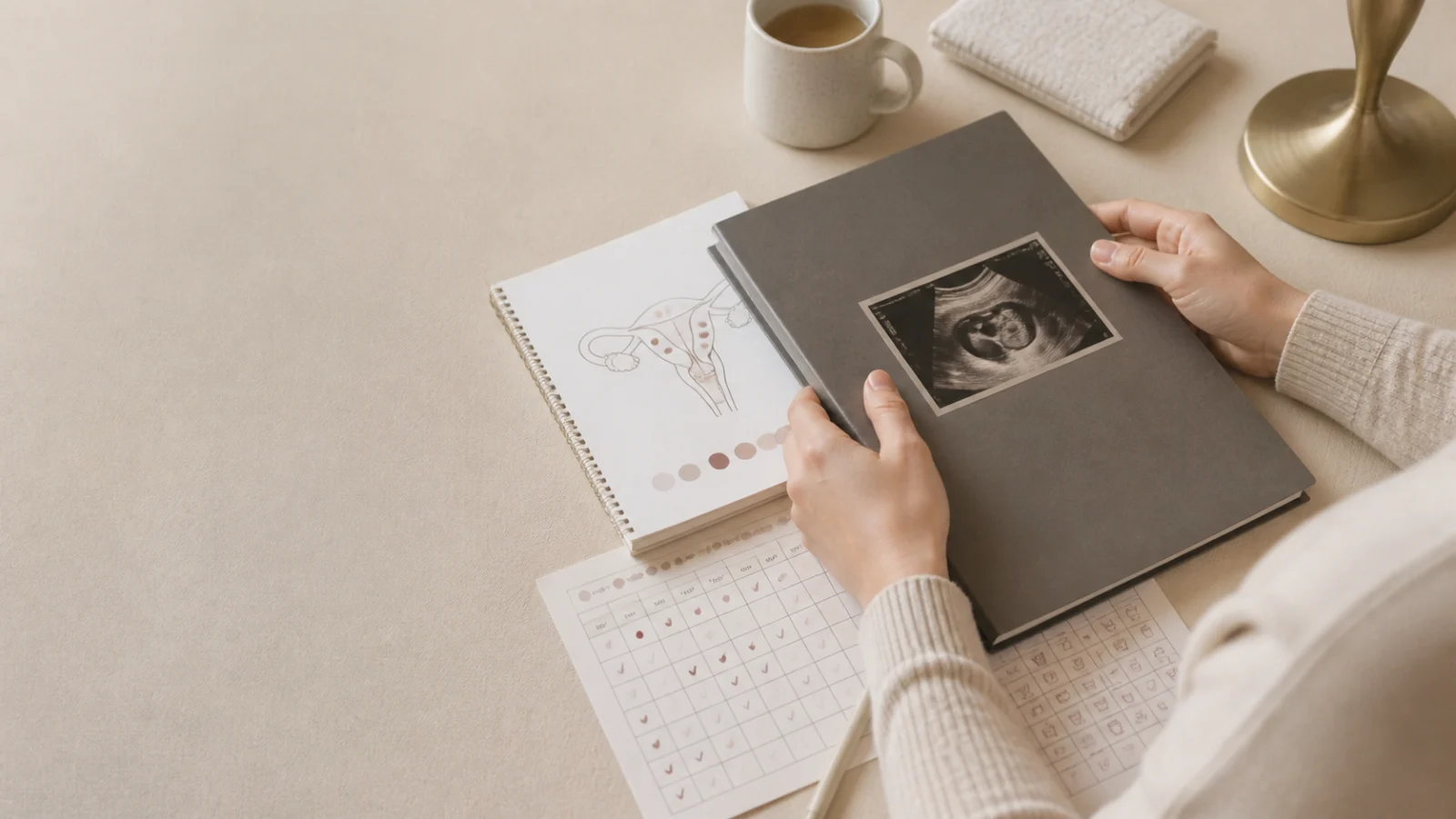
Uterine Fibroids: Read in the order of your curiosity
Understanding the diagnosis and test results
Uterine Fibroids: Checking location, size, bleeding, pressure, and pregnancy plans
Uterine FibroidsThere are no specific foods proven to reduce or eliminate them. A nutritious, balanced diet and a healthy weight support overall health but do not replace medication, procedures, or surgery. If you have heavy menstrual bleeding, check for iron deficiency and anemia through a blood test, and include iron sources in your diet such as meat, fish, eggs, beans, peas, and iron-fortified foods. Plant-based iron is better absorbed when eaten with fruits and vegetables containing vitamin C. Dizziness, shortness of breath, chest pain, feeling of fainting, or heavy bleeding that does not stop require immediate medical evaluation rather than dietary consultation.
Treatment is tailored to symptoms and uterus preservation plans, rather than rushing into surgery simply because fibroids are present.
Plans for medication, procedures, or surgery proceed according to the changes confirmed by ultrasound and tests. Korean herbal medicine treatment is used in parallel, with specific goals such as managing pain, bleeding, bowel discomfort, and recovery after treatment.
we examine recurring symptoms and the body's recovery
While maintaining follow-up imaging and anemia tests, we create living conditions that allow for conservative treatment by managing bleeding, blood clots, pelvic pain, pressure, urinary or bowel discomfort, and post-bleeding fatigue.
Test, medication, and procedure schedules are shared as they are
Korean medicine treatment can provide supportive care for remaining pain, post-anemia fatigue, or digestive discomfort during observation or medication therapy.
Location, number, uterine cavity deformation, and the desire for pregnancy or uterus preservation change the treatment choice more than size alone.
Cases requiring an OB/GYN evaluationCheck when applicable
Sudden abdominal pain, fever, feeling of fainting with heavy bleeding, or a growing mass and bleeding after menopause should not be dismissed as just fibroids and require prompt medical evaluation.
- If heavy bleeding continues to the point where menstrual products are soaked through quickly
- If there is dizziness, feeling of fainting, shortness of breath, chest pain, severe palpitations, or paleness
- If sudden severe pelvic or abdominal pain occurs along with nausea and fever
- If bleeding between periods or bleeding after intercourse newly recurs
- If consciousness becomes clouded or it is difficult to stand along with bleeding
Surgery, procedure, or further evaluationConsultation for embolization, myomectomy, or hysterectomy may be necessary in cases of severe bleeding, anemia, pressure, pain, rapid growth, diagnostic uncertainty, or impact on fertility.
To what extent to integrate Korean medicine treatment
Uterine Fibroids: Distinguishing the roles of the two treatments
Rather than just the location and size of the fibroids, the amount of bleeding, Anemia, and the impact of pressure and urinary or bowel discomfort on daily life are checked together. The role of Korean herbal medicine treatment is determined within the plan for follow-up tests, procedures, or surgery.
Observing how symptoms have disrupted your daily life
Along with size, the location, uterine cavity deformation, bleeding, pressure, frequent urination, constipation, and pregnancy goals are noted alongside the imaging results.
Categorizing symptom combinations even within the same diagnosis
Prescription priorities are determined by selecting clues from the following patterns that match the actual medical interview and examination: Qi stagnation and blood stasis (pressure type), phlegm-dampness accumulation (heavy pressure type), blood heat (bleeding type), and Qi and blood deficiency (anemia type).
Re-evaluating through the next cycle and lifestyle changes
We track the number of bleeding days, frequency of nighttime pad changes, hemoglobin levels, feelings of pressure, urination, bowel movements, and the timing of consultations regarding painkillers and surgery.
Treatment goalWithout promising the disappearance of fibroids, we maintain the selection of an OB-GYN appropriate for the location and symptoms while reducing the burden of bleeding, pressure, and fatigue.
Consult regarding fibroid location and symptoms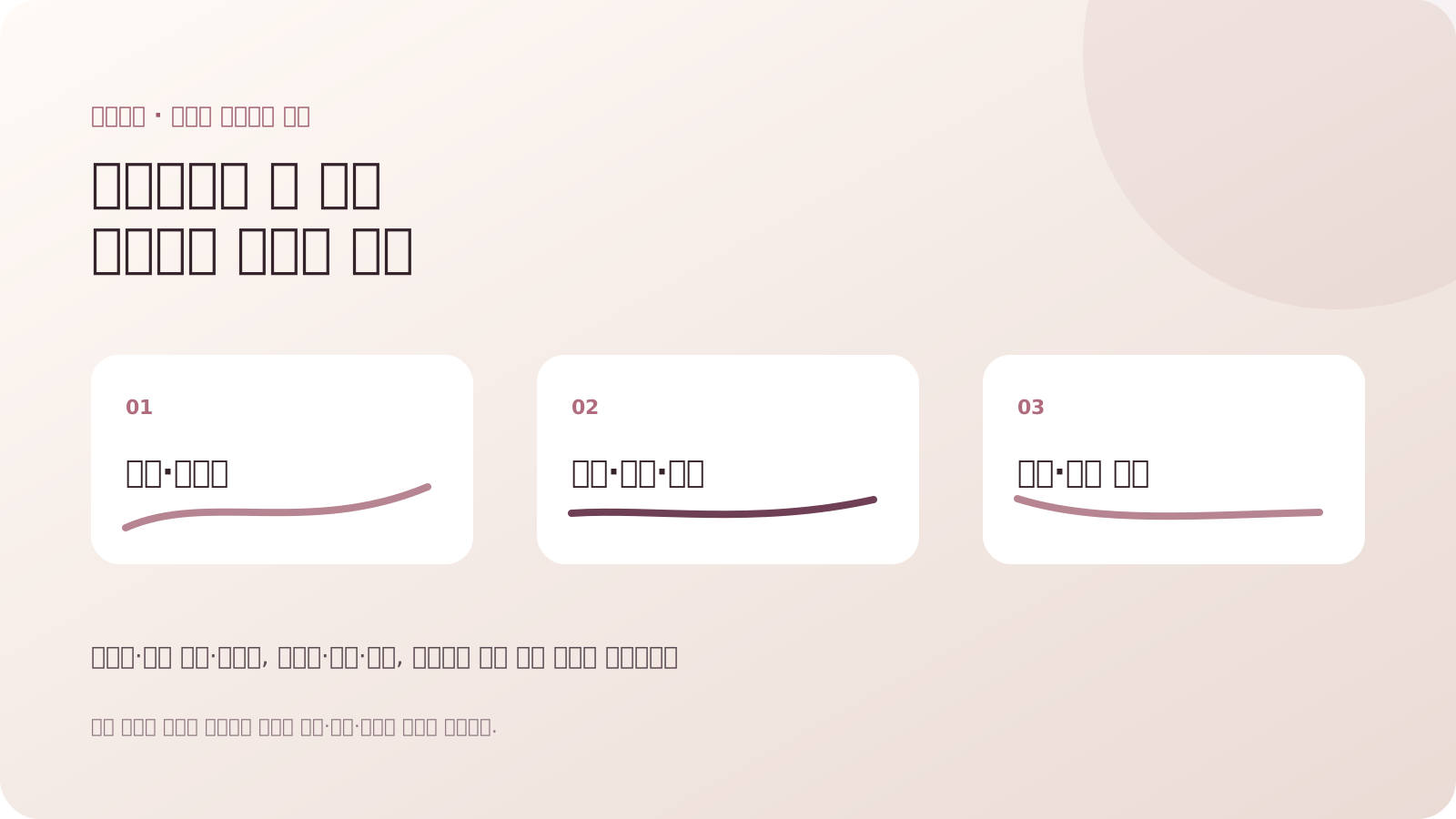
We track the number of bleeding days, frequency of nighttime pad changes, hemoglobin levels, feelings of pressure, urination, bowel movements, and the timing of consultations regarding painkillers and surgery.
Photos show scenes of how cycles, pain, breastfeeding, and life transitions have affected daily life without revealing faces or identities. Disease tracking charts and conceptual diagrams are simplifications of differential diagnosis, examination, and progress records; they do not represent an individual's diagnosis or pregnancy/treatment results.Understanding Tests and Diagnosis
Uterine Fibroids: Three Things to Know First
When Interpreting Test Results
It is difficult to consider that specific foods, herbs, or vaginal steaming treat, shrink, or prevent fibroids.
When Identifying Causes and Risk Factors
MenorrhagiaIf present, we test for iron deficiency and anemia, and add iron-rich foods to the treatment plan.
When Reviewing Lifestyle Changes
Iron supplements are not started at high doses without testing and guidance from medical staff; instead, the cause of the bleeding is treated.
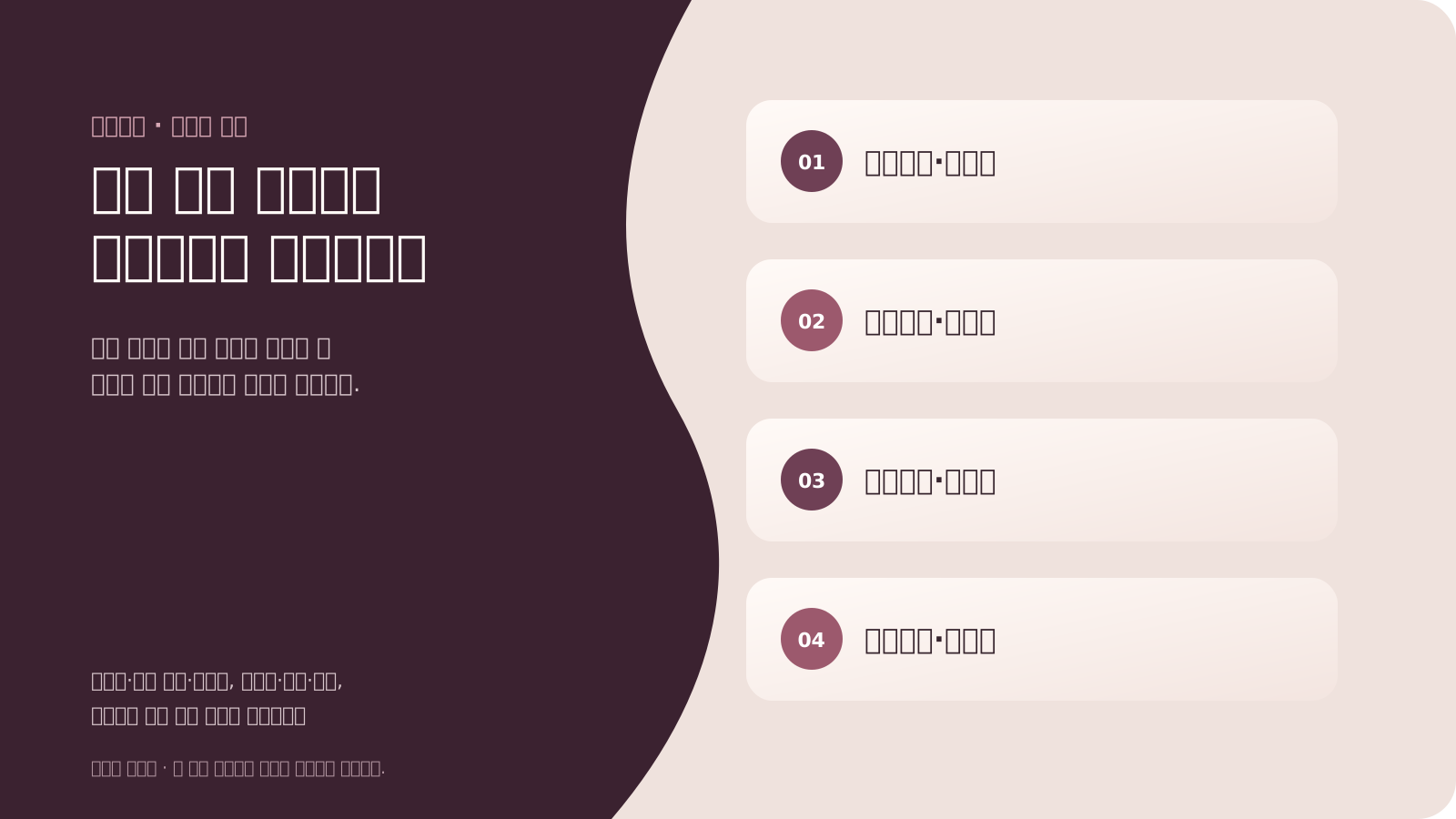
While maintaining plans for observation, medication, procedures, or surgery, we focus only on the axis that explains current symptoms among blood stasis, phlegm-dampness, blood heat, or Qi and blood deficiency.
Conceptual reference · ACOG: Chronic Pelvic Pain · NICE NG73: EndometriosisDefining the role of concurrent treatment
Integrating tests, procedures, and Korean medicine treatment within a single plan
Scheduled tests and procedure dates are shared
We do not arbitrarily change the current plan and instead record symptoms and recovery status before and after treatment.
Setting specific goals for Korean medicine treatment
While maintaining observation, procedure, or surgery plans based on the location of the fibroids, uterine cavity deformation, bleeding, pressure, and pregnancy goals, we support the recovery from remaining burdens of anemia, pain, urination, and bowel movements.
Review all medications in a single list
Please provide a complete list of prescription drugs, over-the-counter drugs, Korean herbal medicine, and supplements to adjust the timing and feasibility of concurrent use.
What to prepare before your visit
Please organize these three things before your visit
Imaging results stating the number, size, and location of fibroids and uterine cavity deformation
Note the test dates and results together to track recent changes.
Amount of bleeding, blood clots, anemia, pain, and pressure on urination and bowel movements
Prepare test results and a list of medications used so that the status before and after treatment can be compared.
Pregnancy plans and consultation history regarding hormones, procedures, or surgery
Inform the medical staff of all prescription drugs, over-the-counter drugs, Korean herbal medicine, and supplements without omission.
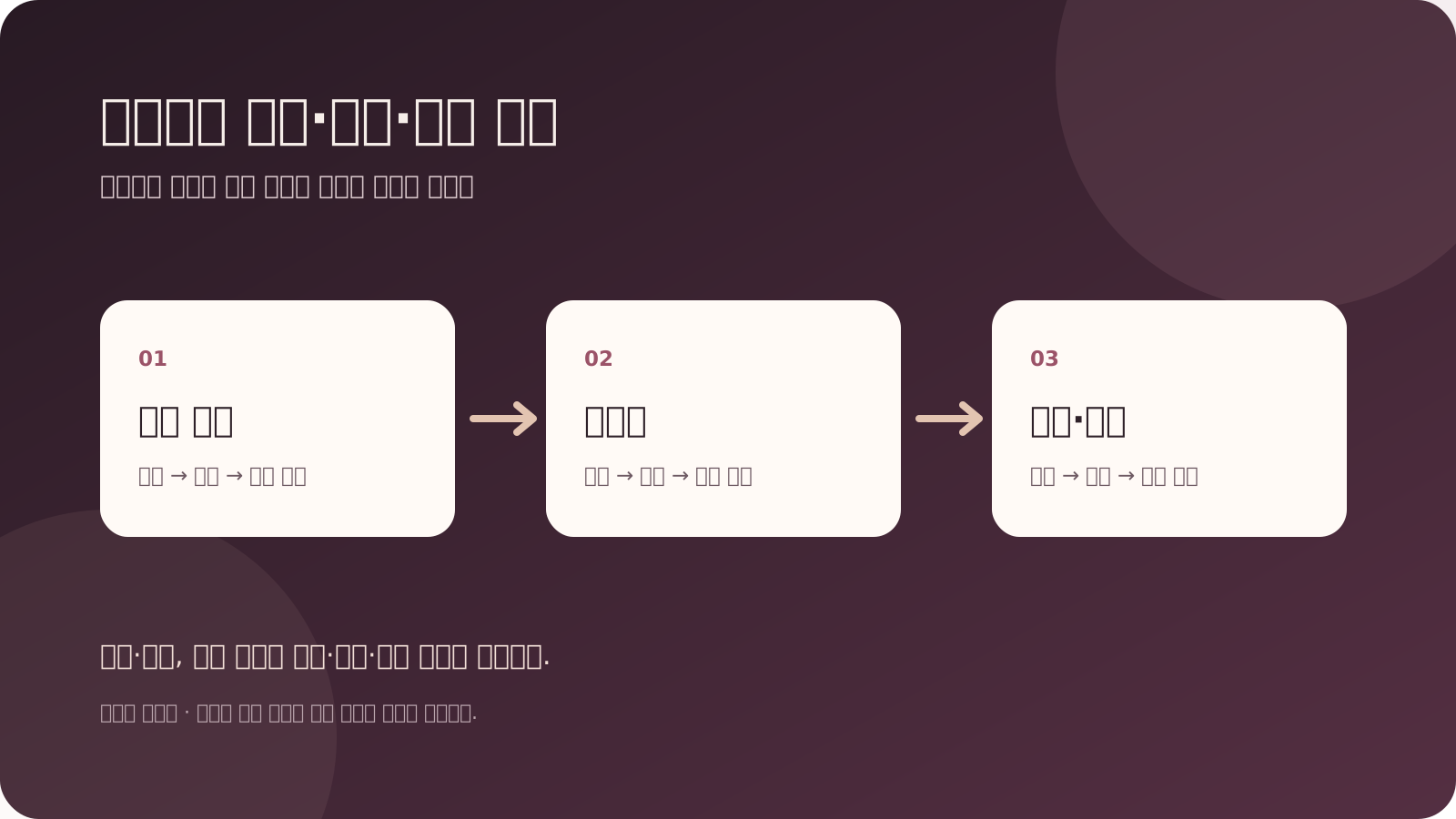
We categorize pain by location (one side or center) and timing, such as before or after menstruation, or during intercourse, bowel movements, and urination.
Conceptual reference · ACOG: Chronic Pelvic Pain · NICE NG73: EndometriosisChanges to monitor before and after treatment
Check again using the same categories to determine if the treatment is helpful
We track the number of bleeding days, frequency of nighttime pad changes, hemoglobin levels, feelings of pressure, urination, bowel movements, and the timing of consultations regarding painkillers and surgery.
Bleeding and Hemoglobin
Establish a baseline by confirming your current status during the first consultation.
Pressure, Urination, and Bowel Movements
Record this along with the dates when treatment or medication changed.
Procedure and Surgery Schedule
Look for consistent changes over several days rather than a single good day.

Record not only the start date but also the amount of bleeding, pain, medication, and impact on daily life using the same criteria.
When continuing the two treatments together
Uterine Fibroids: Four symptom combinations for Korean herbal medicine prescriptions
While maintaining plans for observation, medication, procedures, or surgery, we focus only on the axis that explains current symptoms among blood stasis, phlegm-dampness, blood heat, or deficiency of qi and blood.
Pattern identification (Byun-jeung) is not about renaming a gynecological diagnosis. For each condition, we determine whether to center the care on Korean medicine treatment, combine it with other treatments, or prioritize treating the underlying cause first. Then, we reflect items that actually change together, such as cycle, pain, cold/heat sensations, digestion, sleep, and energy levels, into the prescription.
When constant pressure is accompanied by stabbing pain and blood clots
- Changes observed in cycles and pain
- We examine the location of fibroids, tenderness, blood clots, and dyspareunia (pain during intercourse).
- Concurrent changes observed in the body
- We check for stress, abdominal tension, and discomfort during bowel movements or urination.
- Prescription Priority
- While maintaining the structural plan, we reduce stagnation and blood stasis symptoms.
When the body feels heavy and abdominal heaviness or edema is prominent
- Changes observed in cycles and pain
- We examine the feeling of pressure, edema, mucous discharge, and weight changes.
- Concurrent changes observed in the body
- We check metabolism, thyroid function, constipation, and dietary habits.
- Prescription Priority
- We reduce phlegm-dampness and circulatory burden to evaluate functions lost due to pressure.
When a sensation of heat is accompanied by continuous excessive bright red bleeding
- Changes observed in cycles and pain
- We examine night sweats, blood clots, palpitations, and shortness of breath.
- Concurrent changes observed in the body
- We first check for anemia and the safety of acute bleeding.
- Prescription Priority
- While maintaining bleeding treatment, we adjust the heat-related bleeding tendency.
When you feel dizzy for several days after menstruation and do not recover
- Changes observed in cycles and pain
- We check hemoglobin, iron status, fatigue, and paleness.
- Concurrent changes observed in the body
- We review iron treatment, diet, sleep, and plans before and after surgery.
- Prescription Priority
- We prioritize the recovery of Qi and blood to reduce the time needed to return to daily life.
Order of Prescription Adjustment
- Check for urgent medical evaluation and current treatments
Check for emergency symptoms and the timing for re-evaluation; do not arbitrarily change prescription or procedure plans.
- Select the combination of symptoms that actually recur
Rather than using the four categories as a self-diagnosis checklist, we retain only the relevant clues from medical interviews and existing tests.
- Determine the next prescription based on the same items
We re-evaluate changes in bleeding, hemoglobin, pressure, urination, bowel movements, and procedure or surgery schedules to decide whether to maintain, adjust, or discontinue treatment.
We review pregnancy-related evaluations, tests or surgeries for structural diseases, antibacterial treatment for infections, and schedules for infertility procedures and menopause treatment to divide and coordinate the scope of Korean herbal medicine treatment. Treatment goals are tracked by specifically defining changes in pain, bleeding, sleep, energy levels, and daily functioning.
Consult based on fibroid location and symptomsWomen's Health Glossary
Additional information to know regarding uterine fibroids
You can check a brief definition before proceeding to a detailed explanation.Frequently Asked Questions
Frequently Asked Questions about uterine fibroids
What are the best foods for uterine fibroids?
There are no specific foods proven to shrink or treat fibroids. Maintain a balanced diet, and if you have heavy menstrual bleeding, prioritize iron deficiency and anemia tests and treatment for bleeding.
What iron-rich foods should I eat if I have heavy menstrual bleeding?
Utilize meat, fish, eggs, beans, peas, and iron-fortified grains. Plant-based iron is better absorbed when eaten with fruits and vegetables containing vitamin C.
Can I take iron supplements in advance without a test?
Do not start high doses on your own. Confirm anemia and iron status through blood tests, determine the dosage and duration with medical staff, and treat the cause of bleeding simultaneously.
Can I shrink fibroids with herbal medicine or herbs?
We do not promise the shrinkage of fibroids. Maintain your gynecological diagnosis and plans for medication, procedures, or surgery, and inform us of all herbal medicine and supplements to check for interactions and the necessary scope of Korean herbal medicine treatment.
When can I consider Korean herbal medicine treatment for uterine fibroids?
It is possible. Share your test, medication, and procedure schedules as they are, and first determine what will be addressed through Korean medicine treatment. While maintaining follow-up imaging and anemia tests, we manage bleeding, blood clots, pelvic pain, pressure, urination and bowel discomfort, and post-bleeding fatigue to create living conditions that allow for conservative treatment.
What should I record before a consultation for uterine fibroids?
It is helpful to organize the following in chronological order: imaging results stating the number, size, and location of fibroids and any uterine cavity deformation; amount of bleeding, blood clots, anemia, pain, and urinary or bowel pressure; pregnancy plans and history of consultations for hormones, procedures, or surgery. Please bring the imaging report, records of bleeding and pressure, and your pregnancy or procedure plans.
Can I use Korean herbal medicine along with uterine fibroid treatment?
Do not stop your current prescriptions on your own, and please inform us of all medications and supplements you are taking. We do not promise the disappearance of fibroids; we maintain the gynecological options appropriate for the location and symptoms while reducing the burden of bleeding, pressure, and fatigue.
Evidence and Update Information
This content was compiled by Korean medicine doctor Choi Yeon-seung based on the official professional materials and disease-specific clinical data below, and was updated on 2026-08-24.
- ACOG: Uterine FibroidsSymptoms by fibroid location and selection of tests and treatment
- Mayo Clinic: Uterine fibroids FAQsLack of evidence that avoiding specific foods treats, shrinks, or prevents fibroids; importance of a nutritious diet and healthy weight; limitations of herbal therapies
- NIH ODS: Iron Fact Sheet for ConsumersThe role of iron in hemoglobin production; animal, plant, and fortified food sources; and how vitamin C aids the absorption of plant-based iron
- ACOG: Chronic Pelvic PainCauses of chronic pelvic pain and functional impact assessment
- NICE NG73: EndometriosisImaging, referral, medication, and surgical recommendations for endometriosis
- NICE NG88: Heavy menstrual bleedingEvaluation of menorrhagia and treatment selection recommendations
- ACOG: Abnormal Uterine BleedingTiming, amount, cycle, and evaluation criteria for abnormal bleeding