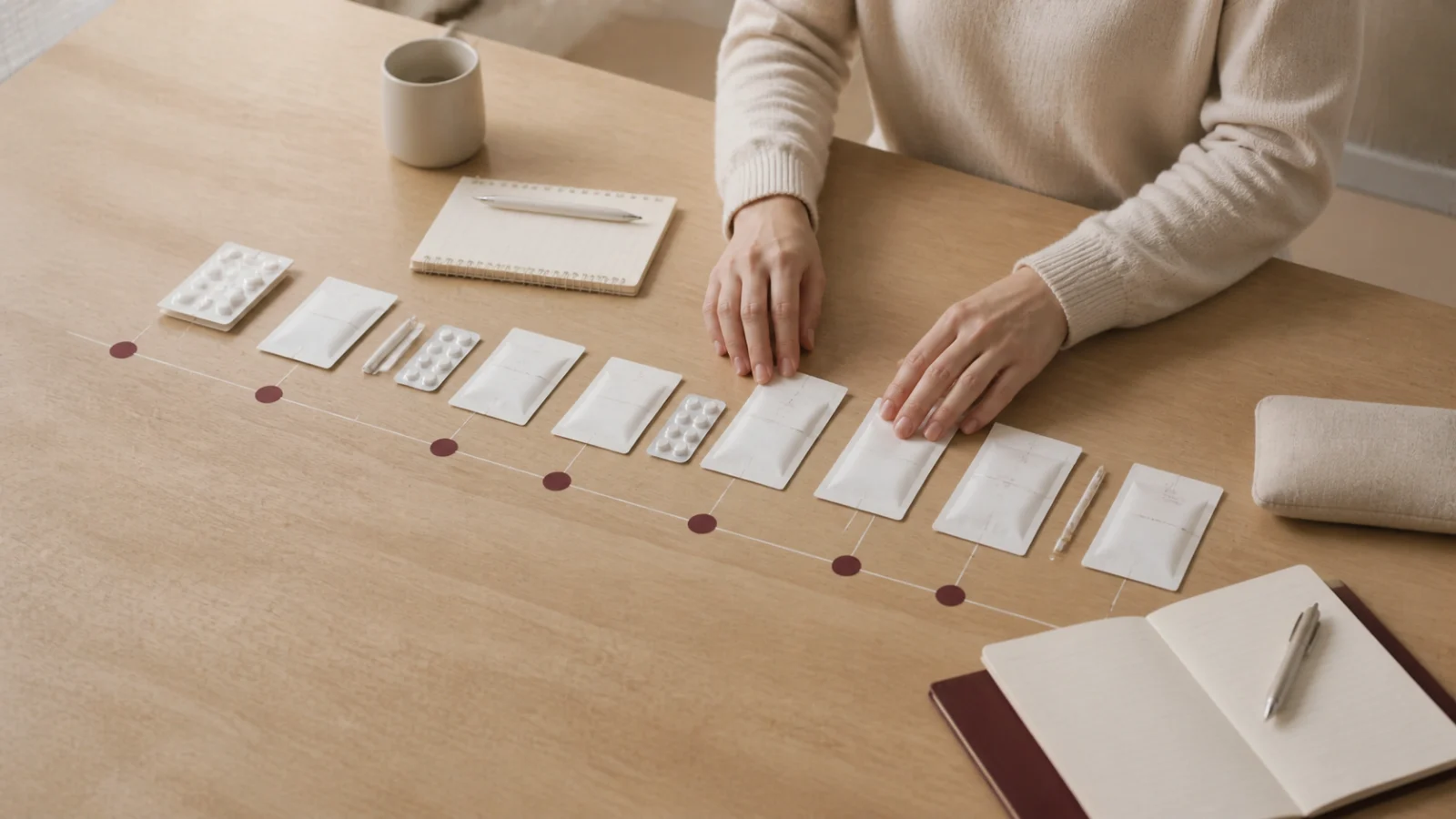
Chronic Vaginitis: Read in order of your concerns
Understanding the diagnosis and test results
For chronic vaginitis, we ask if the cause is the same every time and how long you felt comfortable after treatment
Treatment for chronic vaginitis does not mean repeating previous medications just because the symptoms are the same; discharge· it begins by re-examining the cause of the odor and itching. For recurrent Candida, we check the strain and resistance to provide maintenance antifungal therapy after a longer initial treatment; for recurrent bacterial vaginosis, we consider retreatment and suppressive therapy depending on the situation. As there are also non-infectious skin and mucosal diseases, do not self-diagnose based on symptoms alone.
If the examination shows no active infection, we examine the recurring chronic discomfort focusing on Korean medicine treatment.
While it may be necessary to verify other causes, Korean medicine treatment does not only begin after all gynecological treatments are completed.
you can start with a focus on Korean medicine treatment
Before repeating treatment under the assumption that it is the same bacteria every time, we review previous examination and treatment history, then work to increase the symptom-free period while addressing mucosal dryness, irritation, cold/heat sensations, sleep, fatigue, and digestion.
we connect tests and medication treatment at the appropriate time
If infectious, skin-related, or atrophic causes are identified, the corresponding treatments are provided concurrently; in Korean medicine treatment, we simultaneously check for dryness, irritation, sleep, sexual health discomfort, and the interval between recurrences.
Pregnancy, menopause, diabetes, immunosuppression, and repeated use of antibiotics change the choice of examination and treatment.
Other medical evaluations are necessary if these changes occurCheck when applicable
For fever, pelvic pain, bleeding during pregnancy, ulcers, blisters, or severe skin damage, prioritize a cause evaluation rather than waiting for chronic vaginitis management.
- Severe lower abdominal pain, bleeding, or fever during pregnancy
- High fever, chills, pelvic pain, vomiting, or foul-smelling discharge
- Rapid swelling of the vulva and difficulty urinating
- Generalized hives, swollen lips, or difficulty breathing after starting a new medication
Surgery, procedure, or further evaluationIn many cases, re-examination and professional evaluation regarding the skin, vulva, or menopause are more necessary than surgery.
Why consider Korean medicine treatment
Chronic Vaginitis: Setting clear treatment goals first
VaginitisIf symptoms keep returning, we first check if the cause was the same each time and how long the symptom-free period lasted after treatment. We distinguish between times when re-treatment for infection is necessary and times when mucosal irritation, dryness, or recovery needs to be addressed.
Observing how symptoms have disrupted your daily life
Rather than just the number of vaginitis episodes, we record the cause identified in each test, the names of medications and their completion dates, the duration of symptom-free periods, and clues regarding non-infectious skin or atrophic conditions.
Categorizing symptom combinations even within the same diagnosis
We determine prescription priorities by selecting clues from the following categories that match the actual medical interview and examination: repeated infection type, damp-heat, mucosal irritation, deficiency-dampness-phlegm, recurrence type, yin-blood deficiency, or dryness type.
Re-evaluating through the next cycle and lifestyle changes
We monitor the cause confirmed by tests, the symptom-free period, the reduction in use of self-medication and cleansers, the recovery of sleep and sexual activity, and the absence of pelvic pain or fever.
Treatment goalInstead of grouping all vaginitis under a single cause, we reduce unnecessary repeated treatments and extend the symptom-free period following treatment for a confirmed cause.
Consult using chronic vaginitis test and recurrence records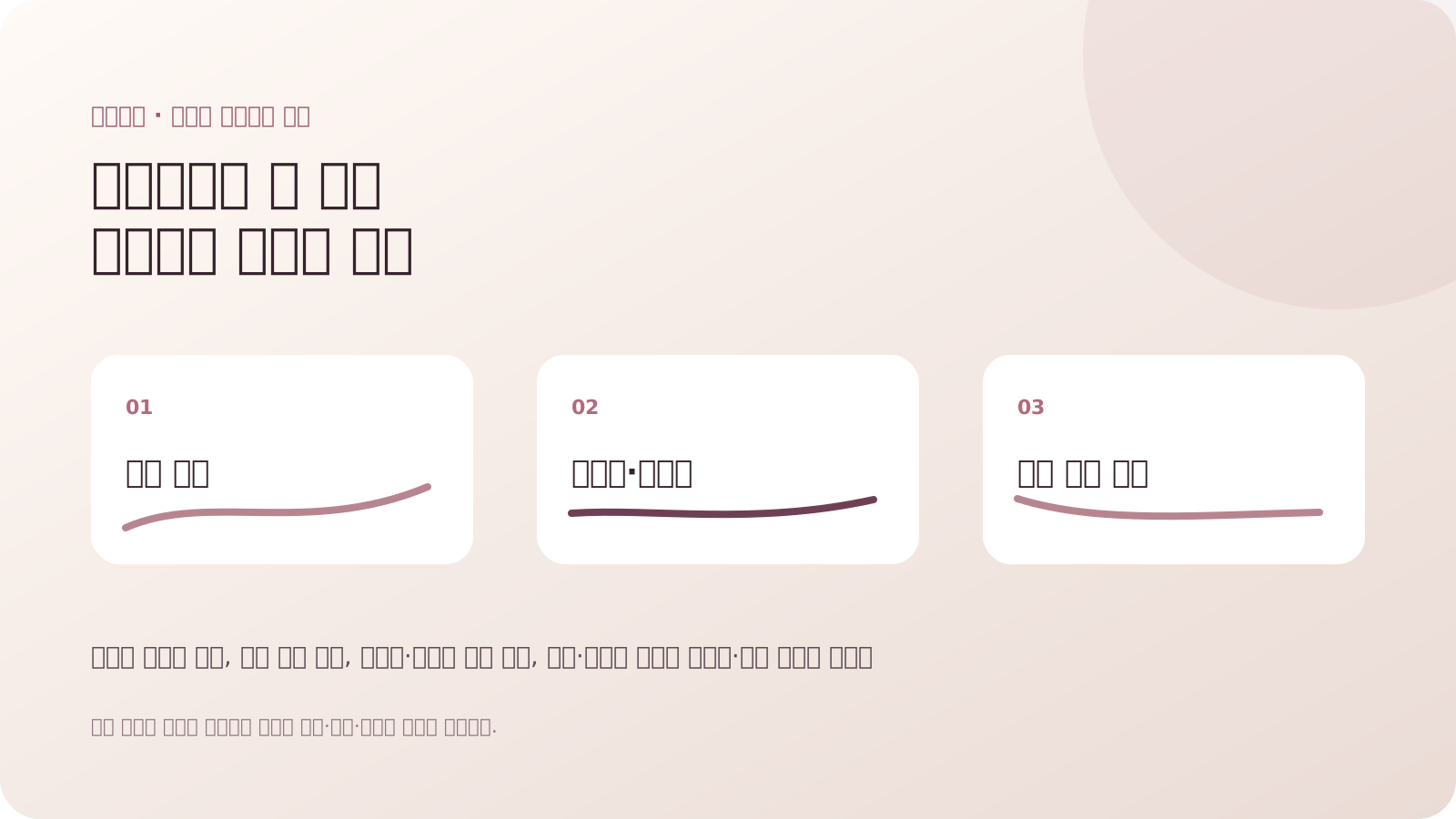
We monitor the cause confirmed by tests, the symptom-free period, the reduction in use of self-medication and cleansers, the recovery of sleep and sexual activity, and the absence of pelvic pain or fever.
Photos show scenes of how cycles, pain, breastfeeding, and life transitions have affected daily life without revealing faces or identities. Disease tracking charts and conceptual diagrams are simplifications of differential diagnosis, examination, and progress records; they do not represent an individual's diagnosis or pregnancy/treatment results.Understanding Tests and Diagnosis
Chronic Vaginitis: Three Things to Know First
When Interpreting Test Results
Since it is difficult to accurately distinguish the cause based solely on the color, smell, or itchiness of discharge, we select examinations such as physical exams, pH tests, microscopy, and molecular tests.
When Identifying Causes and Risk Factors
For confirmed recurrences of Albicans, we prescribe maintenance therapy after sufficient initial antifungal treatment rather than repeating short courses of general over-the-counter medications.
When Reviewing Lifestyle Changes
Internal vaginal cleansers, scented cleansers, or unverified miscarriagebacteria or boric acid should not be used repeatedly without a prescription to avoid irritating the mucosa.

While maintaining treatment for confirmed infections and management of skin or atrophic conditions, we identify which factor, damp-heat, damp-phlegm, dryness, or deficiency of qi and blood, is hindering mucosal recovery.
Conceptual reference · CDC: Vaginal Discharge · CDC: Bacterial VaginosisStarting and Adjusting Korean Medicine Treatment
Korean medicine treatment is adjusted according to symptom combinations and changes in the next cycle
Before starting, record your current state
The criteria for summarizing your current condition are the test results and cause-specific treatments received over the past 1 year. Pain, cycle, and lifestyle inconveniences are re-verified as separate items.
Even with the same diagnosis, symptom combinations differ
When symptoms are similar each time but the test results differ / When heat sensation, odor, watery discharge, and irritation overlap / When recurrence after antibiotics, menstruation, or fatigue overlaps with digestive discomfort / When tests are negative but dryness and burning sensations occurdyspareuniaWe identify the actually recurring combinations that remain and determine the proportion of the prescription.
Re-verify in the next cycle
After treatment, we record the cause, self-medication, cleansers, and symptom-free intervals for each visit in the same manner to maintain or adjust the prescription.
What to prepare before your visit
Please organize these three things before your visit
Test results from the past 1 year and treatment by cause
Note the test dates and results together to track recent changes.
Names of medications, vaginal suppositories, creams, cleansers, and symptom-free periods
Prepare test results and a list of medications used so that the status before and after treatment can be compared.
Menopause, skin diseases, diabetes, immunodeficiency, antibiotics, and changes in sexual activity
Inform the medical staff of all prescription drugs, over-the-counter drugs, Korean herbal medicine, and supplements without omission.
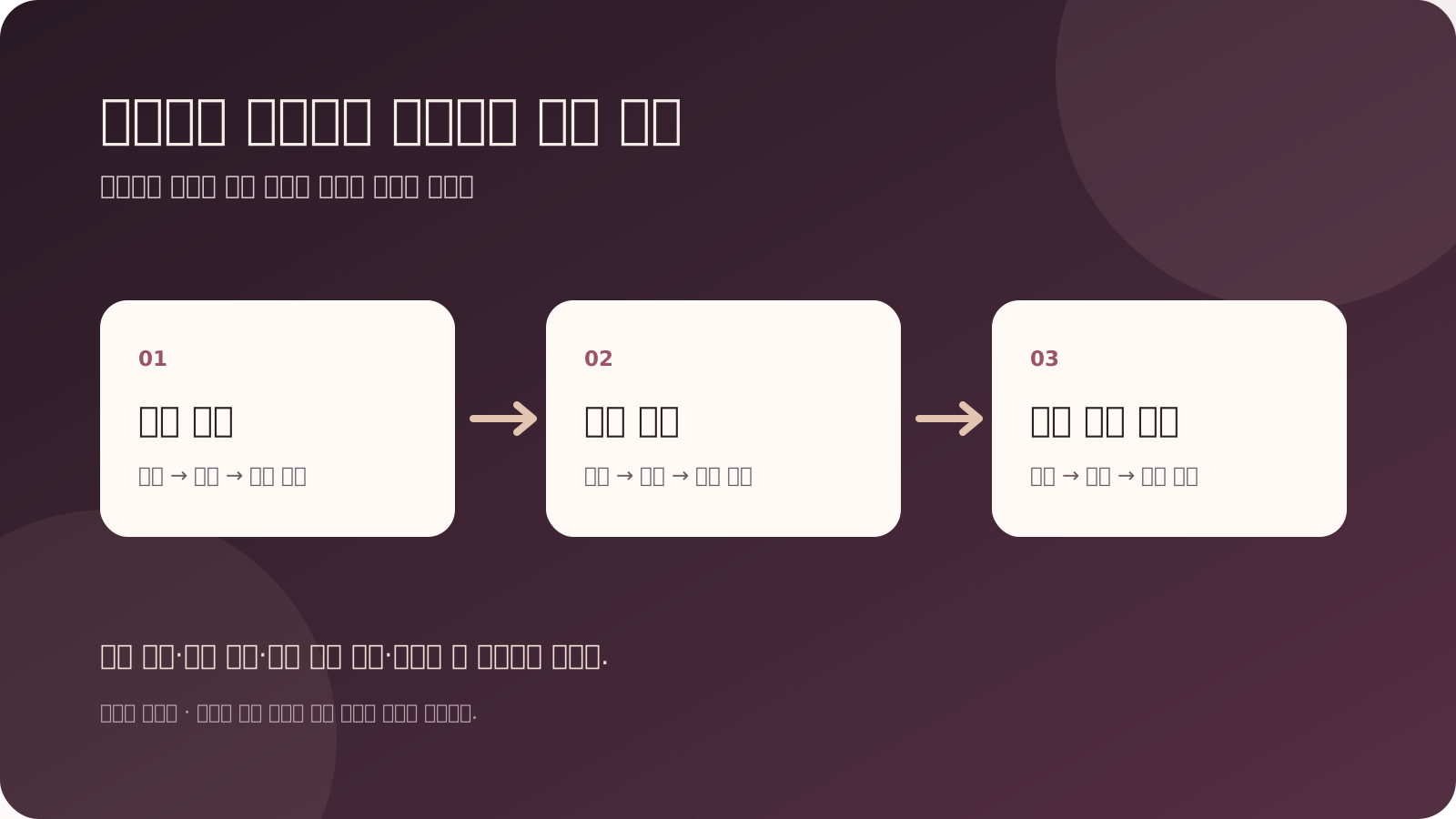
Test results, cause-specific treatment, symptom-free periods, and re-examinations are reviewed together.
Conceptual reference · CDC: Vaginal Discharge · CDC: Bacterial VaginosisChanges to monitor before and after treatment
Check again using the same categories to determine if the treatment is helpful
We look at the causes confirmed by tests, symptom-free periods, reduction in the use of self-medication and cleansers, recovery of sleep and sexual activity, and the absence of pelvic pain or fever.
Cause per visit
Establish a baseline by confirming your current status during the first consultation.
Self-medication and cleansers
Record this along with the dates when treatment or medication changed.
Symptom-free interval
Look for consistent changes over several days rather than a single good day.

Organizing test results and treatment history chronologically helps you identify specific questions to ask during your next appointment.
If starting Korean medicine treatment
Chronic vaginitis: Four symptom combinations for Korean herbal medicine prescriptions
While maintaining treatment for confirmed infections and management of skin or atrophic diseases, we identify which factor, damp-heat, damp-phlegm, dryness, or deficiency of qi and blood, is hindering mucosal recovery.
Pattern identification (Byun-jeung) is not about renaming a gynecological diagnosis. For each condition, we determine whether to center the care on Korean medicine treatment, combine it with other treatments, or prioritize treating the underlying cause first. Then, we reflect items that actually change together, such as cycle, pain, cold/heat sensations, digestion, sleep, and energy levels, into the prescription.
When symptoms are similar every time, but the cause identified by tests may differ
- Changes observed in cycles and pain
- We review discharge, pH, and microscopic/culture/molecular tests.
- Concurrent changes observed in the body
- We verify whether antibacterial, antifungal, or partner treatments were appropriate for the cause.
- Prescription Priority
- Treatment for a confirmed cause is prioritized over presumptive treatment.
When heat sensation, odor, and watery discharge overlap with irritation
- Changes observed in cycles and pain
- We examine discharge, urinary irritation, and skin damage.
- Concurrent changes observed in the body
- Pelvic inflammatory disease, STIs, and contact dermatitis are ruled out first.
- Prescription Priority
- After treating the cause, we regulate damp-heat and mucosal irritation.
When recurrence and digestive discomfort overlap after antibiotics, menstruation, or fatigue
- Changes observed in cycles and pain
- We examine the interval between recurrences, bloating, edema, and changes.
- Concurrent changes observed in the body
- We check blood glucose, immunity, antibiotics, and test results.
- Prescription Priority
- While maintaining management of underlying factors, we reduce damp-phlegm and the burden on recovery.
When tests are negative but dryness, burning sensations, or dyspareunia remain
- Changes observed in cycles and pain
- We examine dryness, cracking, atrophy, and skin changes.
- Concurrent changes observed in the body
- We evaluate genitourinary syndrome of menopause and skin conditions.
- Prescription Priority
- We avoid repeated use of infection medications and prioritize mucosal/skin treatment and recovery.
Order of Prescription Adjustment
- Check for urgent medical evaluation and current treatments
Check for emergency symptoms and the timing for re-evaluation; do not arbitrarily change prescription or procedure plans.
- Select the combination of symptoms that actually recur
Rather than using the four categories as a self-diagnosis checklist, we retain only the relevant clues from medical interviews and existing tests.
- Determine the next prescription based on the same items
At each visit, we re-verify the cause, self-medication, cleansers, and changes in symptom-free intervals to decide whether to maintain, adjust, or discontinue treatment.
We review pregnancy-related evaluations, tests or surgeries for structural diseases, antibacterial treatment for infections, and schedules for infertility procedures and menopause treatment to divide and coordinate the scope of Korean herbal medicine treatment. Treatment goals are tracked by specifically defining changes in pain, bleeding, sleep, energy levels, and daily functioning.
Consult using chronic vaginitis tests and recurrence recordsWomen's Health Glossary
Additional information regarding chronic vaginitis
You can check a brief definition before proceeding to a detailed explanation.Frequently Asked Questions
Frequently Asked Questions about chronic vaginitis
Can I just repeat the same medication for chronic vaginitis?
Since many causes share overlapping symptoms, testing is necessary upon recurrence. Initial and maintenance therapies are determined based on the confirmed cause and strain of bacteria/fungi.
Can vaginal probiotics or cleansers prevent recurrence?
Evidence that cleansers or supplements alone can replace prescribed treatment is limited, and internal vaginal cleansing may actually harm the balance and mucosa.
Is weakened immunity the only cause of chronic vaginitis?
No. Recurrent symptoms can have different causes, such as bacterial vaginosis, Candida, Trichomonas, or non-infectious vaginitis. While Candida recurrence may be related to diabetes, antibiotics, or immunosuppression, the cause is sometimes unknown. Therefore, we review menstruation, sexual activity, vaginal cleansing habits, and any cleansers, supplements, or medications used.
Can the cause of chronic vaginitis be identified by symptoms alone?
It is difficult to accurately distinguish between bacterial vaginosis, candidiasis, trichomoniasis, and non-infectious vaginitis based solely on discharge, odor, itching, or burning sensations. Rather than self-treating based on the assumption that it is the same type of vaginitis as before, you should receive a medical examination and select appropriate pH, microscopic, or molecular tests based on the cause.
When should herbal medicine treatment be considered for chronic vaginitis?
If there are no specific symptoms or other suspected causes that need to be checked first, you can begin with a focus on Korean medicine treatment. Before repeating treatment under the assumption that it is the same bacteria every time, we review previous test and treatment histories to address mucosal dryness, irritation, cold/heat sensations, sleep, fatigue, and digestion, while working to extend the symptom-free period.
What should I record before a consultation for chronic vaginitis?
It is helpful to organize the following information chronologically: test results and cause-specific treatments from the past 1 year, names of medications, vaginal suppositories, creams, and cleansers used, the duration of symptom-free periods, and any changes in menopause, skin diseases, diabetes, immunity, antibiotic use, or sexual activity. Please summarize the tests and medications used in the past 1 year, the interval between recurrences, and whether a non-infectious diagnosis was made.
Can I use herbal medicine along with other treatments for chronic vaginitis?
Do not stop your current prescriptions arbitrarily; please inform us of all medications and supplements you are taking. Instead of grouping vaginitis into a single cause, we aim to reduce unnecessary repeated treatments and extend the period of comfort following treatment for a confirmed cause.
Evidence and Update Information
This content was compiled by Korean medicine doctor Choi Yeon-seung based on the official professional materials and disease-specific clinical data below, and was updated on 2026-08-24.
- CDC: Vaginal DischargeReasons why the cause of vaginitis cannot be determined by symptoms alone and the necessary tests
- CDC: Vulvovaginal CandidiasisTesting for Candida and the distinction between uncomplicated, complicated, and recurrent cases
- CDC: Bacterial VaginosisDiagnosis, treatment, and considerations during pregnancy for bacterial vaginosis
- CDC: TrichomoniasisPartner treatment, re-examination, and re-infection management
- CDC: Pelvic Inflammatory DiseaseLow diagnostic threshold, antibiotics, and 72-hour re-evaluation for pelvic inflammatory disease (PID)